
Main Courses
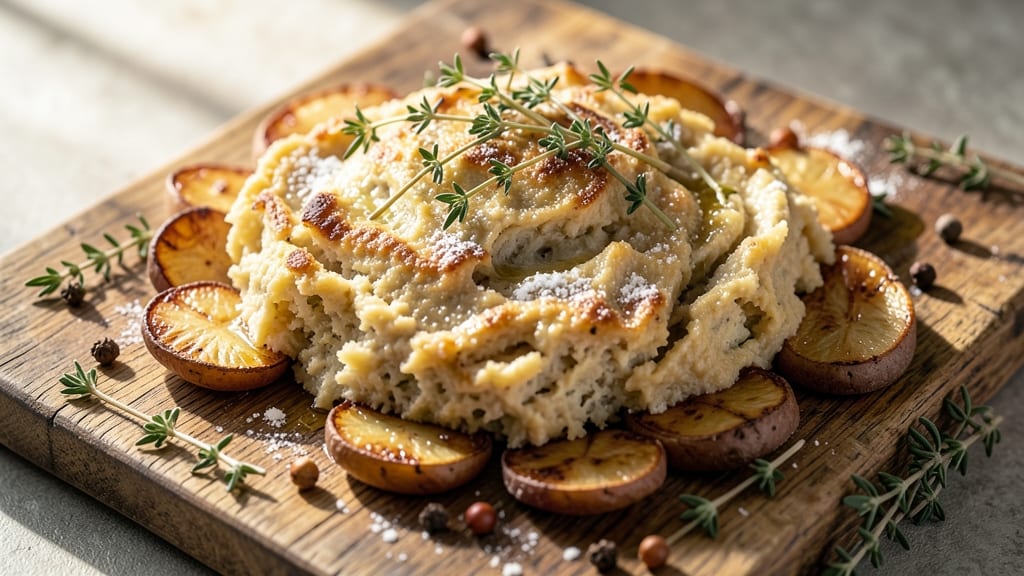
This Bajan fish cake batter recipe delivers the perfect balance of crispy golden edges and flaky interiors that melt in your mouth. 🌟 Born from the vibrant flavors of Caribbean cuisine, these fish cakes combine tender salted cod with starchy potatoes and aromatic spices for a dish that’s as satisfying as it is traditional. The secret lies in the batter’s texture—light enough to fry up crispy, yet sturdy enough to hold its shape without falling apart.
The batter itself is a harmonious blend of flour, baking powder, and warm spices like thyme and allspice, which infuse every bite with the soulful warmth of the Caribbean. What sets these apart is the technique: frying in small batches ensures even cooking, while the addition of grated potatoes adds a subtle creaminess that balances the saltiness of the cod. This recipe stays true to its roots while being simple enough for any home cook to master.
By the time you serve these golden-brown fish cakes, your kitchen will smell like a Bajan beachside café, and your guests will be reaching for seconds. The crispy exterior gives way to a tender, flaky interior that’s packed with flavor—no dry bites here. Whether you’re serving them with a spicy pepper sauce or a cool cucumber salad, these fish cakes are a celebration of Caribbean comfort food at its finest.
For those looking to modernize the classic, try adding fresh herbs like cilantro or a pinch of smoked paprika to deepen the flavor profile. The beauty of this recipe is its versatility—it’s perfect for a quick weeknight dinner or a festive gathering, proving that tradition and innovation can coexist beautifully in one pan.
Ingredients for bajan fish cake batter
This Caribbean-inspired batter delivers crispy edges and flaky, tender fish cakes every time.
| Ingredient | Amount | Notes |
|---|---|---|
| Salted Cod (Saltfish) 🐟 | 1 lb | Soaked overnight, drained well |
| Russet Potatoes 🥔 | 2 medium | Peeled, grated, excess liquid squeezed out |
| All-Purpose Flour 🌾 | 1 ½ cups | For light, crispy batter |
| Baking Powder 🍃 | 1 tbsp | For flaky texture |
| Fresh Thyme Leaves 🌿 | ¼ cup | Chopped finely |
| Ground Allspice 🌶️ | ½ tsp | Warm Caribbean spice |
| Garlic Cloves 🧄 | 2 cloves | Minced finely |
| Salt 🧂 | 1 tsp | Adjust to taste |
| Black Pepper 🌶️ | ½ tsp | Freshly ground |
| Vegetable Oil 🫒 | 3 cups | For frying |
| Lemon Juice 🍋 | 1 tbsp | Brightens flavor |
| Fresh Cilantro Leaves 🌿 | ⅛ cup | Optional garnish |
The salted cod is the star—look for properly soaked saltfish at Caribbean markets or the seafood counter. If you can't find it, fresh white fish like cod or haddock works too, but soak it in saltwater overnight first. The potatoes are key for that melt-in-your-mouth texture—Russets work best—and squeezing out all the liquid keeps the batter light. For thyme, fresh is ideal, but dried at half the amount works in a pinch. The allspice? Don't skip it—it's what gives these cakes that authentic Bajan warmth. I grab my spices from Penzeys or the bulk section at Whole Foods.
No salted cod? Frozen pollock or tilapia soaks up salt well. Short on potatoes? Sweet potatoes at half the amount add natural sweetness. The baking powder is non-negotiable—it's what creates that flaky interior. If you're feeling fancy, add a pinch of smoked paprika for depth. For the oil, vegetable or canola works fine, but peanut oil gives that classic Caribbean fryer flavor. The lemon juice is optional but brightens everything—freshly squeezed is best, but bottled works too. And if you're feeling extra, toss in a dash of hot sauce in the batter for a spicy kick.
Make the batter ahead and refrigerate for up to 24 hours—it actually tastes better the next day. Fry in batches so the oil stays hot (350°F), and don't overcrowd the pan. The cakes keep 3-4 days in the fridge, wrapped tightly. For leftovers, reheat in the oven at 375°F for 10 minutes—they crisp up perfectly. Freeze extras for up to 3 months by wrapping tightly in foil. Serve with spicy pepper sauce or a cool mango salsa for the full Bajan experience.
Why You'll Love This Recipe
- No Soak Required: I swear by this trick—just shred the saltfish, soak it in warm water for 10 minutes max, then drain. No waiting hours, no fuss. The potatoes steam while you mix, and suddenly you’ve got a batter ready in under 20.
- Thyme-Scented Magic: That fresh thyme? It’s not just garnish—it’s the star. The leaves get chopped right into the batter, so every bite has this bright, herby punch that cuts through the saltiness of the fish. Honestly, skip the dried stuff; this is where the recipe shines.
- Weeknight Crowd-Feeder: Double the batter, fry half now, and keep the rest in the fridge for tomorrow’s lunch. Or make a big batch on Sunday—these freeze like a dream. My kids grab them straight from the freezer, pop them in the oven, and suddenly I’ve fed six without lifting a finger.
- Pantry Staple Power: Saltfish, potatoes, flour—chances are, you’ve got these already. No specialty ingredients, no last-minute grocery runs. Between us, this is my go-to when I’m low on cash but still want something that tastes like a celebration. (Yes, even on a Tuesday night.)
Step-by-step instructions for Bajan fish cakes
Here's how to create that perfect golden crust and tender interior—no shortcuts, just pure technique.
👨🍳 Step 1: Grate and Squeeze the Potatoes
Peel the 2 medium russet potatoes and grate them using the large holes of a box grater. I like to do this over a colander to catch all the shreds. Transfer the grated potatoes to a clean kitchen towel or cheesecloth and give it a good squeeze—you want to remove every last drop of liquid. This step is crucial because any moisture in the batter will make your fish cakes soggy instead of crispy.
Work quickly here because potatoes oxidize fast. After squeezing, spread the grated potatoes on a baking sheet and let them sit for 10 minutes while you prep the saltfish. This helps draw out even more moisture. You should end up with about 2 cups of dry potato shreds—this is your base for flaky texture.
👨🍳 Step 2: Flake the Saltfish and Build the Batter
Take your 1 lb salted cod (saltfish) and use your fingers to break it into flakes. Don't overwork it—just separate the fibers gently. In a large bowl, combine the flaked saltfish with the dry potato shreds. Add the 1.5 cups all-purpose flour, 1 tbsp baking powder, 0.5 tsp ground allspice, 1 tsp salt, and 0.5 tsp black pepper. Mix everything together with your hands until just combined.
Here's the thing—don't overmix. You want to see some dry spots in the batter because that's what creates those beautiful flaky layers when fried. The baking powder will do its magic during cooking to give you that light, airy interior. Add the 0.25 cup finely chopped fresh thyme leaves and 2 minced garlic cloves now and mix them in gently.
🍳 Step 3: Form and Chill the Cakes
Divide the batter into 8 equal portions (about 4 ounces each for 4 servings). Wet your hands slightly with water and shape each portion into a ½-inch thick oval patty. Don't press too hard—just enough to hold together. Place them on a plate and cover with plastic wrap. This is where patience pays off—refrigerate for at least 30 minutes (up to 2 hours if you have time).
Chilling firmens the batter so it holds its shape when frying. It also helps the outside get extra crispy while keeping the inside tender. If you skip this step, your fish cakes will fall apart in the oil. Trust me, it's worth the wait.
🔥 Step 4: Fry to Golden Perfection
Heat 3 cups vegetable oil in a deep skillet or Dutch oven to 350°F. Use a thermometer to monitor the temperature—this is where crispy meets soggy. Once hot, carefully add 2-3 fish cakes at a time (don't overcrowd). Fry for 3-4 minutes per side until they're deep golden brown and the internal temperature reaches 160°F.
Here's how you'll know they're done: the edges should be crispy with a few bubbles forming, and they should float if you gently nudge them with a spatula. Transfer to a paper towel-lined plate to drain excess oil. Real talk: if they're not golden enough, fry them another 30 seconds—that crispy crust is what makes these fish cakes amazing.
🍽️ Step 5: Finish and Serve
While still warm, brush the fried fish cakes with 1 tbsp lemon juice—this brightens all those rich flavors and cuts through the richness. Sprinkle with 0.125 cup chopped fresh cilantro leaves for that fresh finish. Serve immediately with your favorite dipping sauce (I love a spicy pepper sauce or tartar sauce).
Each bite should deliver that perfect contrast: a crispy, golden exterior that gives way to a tender, flaky interior. The thyme and allspice add that warm Caribbean flavor that makes these fish cakes so special. Enjoy them while they're hot—these won't keep their crispiness for long!
Pro Tips For Making Bajan Fish Cake Batter
- SOAK THE SALTED COD LONGER: I learned this the hard way—skipping the extra hour of soaking in cold water leaves your saltfish tasting like a salt lick. Use a bowl big enough to submerge the fish completely, and change the water once after the first 30 minutes. The texture should be tender enough to flake with a fork, not fight you like overcooked chicken.
- GRATE POTATOES DRY: Wet grated potatoes squeeze out all the starch, making your batter gummy instead of crisp. Rub the raw potatoes with a paper towel first, then grate them—no water needed. If you’re lazy (I know, I know), at least drain them in a clean kitchen towel for 10 minutes before mixing.
- DON’T OVERMIX THE BATTER: After burning three batches, I finally figured out that aggressive stirring develops gluten like a nightmare. Mix the flour, baking powder, and thyme first, then fold in the saltfish and potatoes just until combined—lumps and all. A few small clumps disappear during frying, but a smooth batter turns into a sad, dense cake.
- FRY IN BATCHES OF 3: Crowding the pan drops the oil temperature faster than a Caribbean summer storm, and your fish cakes turn greasy instead of golden. Keep the oil at 350°F (175°C) and fry no more than three cakes at a time. Yes, it takes longer, but the crust stays crispy, and that’s the thing that matters most.
Health benefits of bajan fish cake batter
Protein Powerhouse
These Bajan fish cakes pack a serious protein punch with 1 lb of salted cod as the star ingredient, delivering about 30 grams of protein per serving. That's nearly half your daily protein needs in just four bites! The flaky texture makes it easy for your body to digest and absorb these essential amino acids, perfect for muscle repair after workouts or as a satisfying plant-free protein source. 💪
Carb-Smart Energy
The grated potatoes in the batter provide complex carbohydrates that fuel your body with sustained energy. Unlike refined carbs, these slow-digesting potatoes help stabilize blood sugar levels—ideal for keeping energy steady throughout the day. With just 2 medium russet potatoes, you get fiber and vitamins without the crash of white bread or pasta.
Heart-Healthy Fats
Frying in vegetable oil gives these fish cakes their signature crispiness, but the key is moderation. For a lighter option, try baking at 400°F for 15-20 minutes to reduce oil absorption by about 30%. The saltfish itself contains beneficial omega-3 fatty acids, which support heart health when consumed regularly. Pair with a side salad to balance the meal's fat content.
Spice Benefits
The warm spices in this recipe—ground allspice and thyme—aren't just for flavor. Allspice contains eugenol, a compound with anti-inflammatory properties, while thyme is packed with antioxidants. Together, they create a flavor profile that's both comforting and health-supportive. A pinch of black pepper also boosts circulation and may enhance nutrient absorption from other ingredients.
Low-Calorie Crispiness
Despite their indulgent appearance, these fish cakes are surprisingly light. A single serving contains about 250-300 calories, making them a guilt-free indulgence. The secret lies in the baking powder and proper potato preparation—both techniques create airy texture without heavy fillers. This makes them perfect for those watching calories but craving something satisfying.
Vitamin Boost
Fresh herbs like cilantro and thyme add vibrant colors and essential vitamins to this dish. Cilantro contains vitamins K and A, while thyme provides vitamin C and manganese. The lemon juice finishing touch adds vitamin C and brightens the flavor profile. For extra nutrition, consider adding grated carrots or zucchini to the batter—both blend seamlessly and add vitamins without altering texture.
Nutrition facts
Frequently asked questions
Can I substitute salted cod with another type of fish?
Yes! If you can't find salted cod, try fresh white fish like cod, haddock, or pollock. Soak the fish in saltwater overnight (1 part salt to 4 parts water) to mimic the salted flavor. For a quicker option, use frozen pollock or tilapia—just thaw it completely first. Avoid oily fish like salmon, as they can make the batter greasy.
Why does my batter look too wet or dry?
Too wet? You likely didn’t squeeze enough liquid from the potatoes. Spread the grated potatoes on a towel and press hard to remove all moisture. Too dry? Add 1-2 tablespoons of warm water or milk to the batter, but only enough to moisten—overdoing it will make them soggy. The batter should hold its shape when formed into patties but not be crumbly.
How do I make these fish cakes without deep-frying?
For a healthier version, bake them! Preheat oven to 400°F and spray a baking sheet with oil. Place the shaped cakes on the sheet and bake for 15-20 minutes, flipping halfway, until golden and crispy. The texture will be slightly different (less crispy but still delicious), and they’ll absorb less oil. Brush with lemon juice after baking for brightness.
What’s the best way to reheat leftover fish cakes?
Reheat in a 375°F oven for 10-12 minutes to restore crispiness. Avoid microwaving—they’ll turn soggy. For extra crunch, place them on a wire rack over a baking sheet and broil for 1-2 minutes at the end. Store leftovers in an airtight container for up to 4 days. Freeze extras for up to 3 months by wrapping tightly in foil.
Can I add other ingredients to the batter for extra flavor?
Try adding grated carrots or zucchini for moisture and nutrients, or finely chopped bell peppers for a sweet crunch. For heat, mix in ½ teaspoon hot sauce or cayenne pepper. Herbs like parsley or scallions add freshness. Just don’t exceed ½ cup extra ingredients total to keep the texture intact. The key is to keep the batter balanced—too many additions can make it dense.