
Main Courses
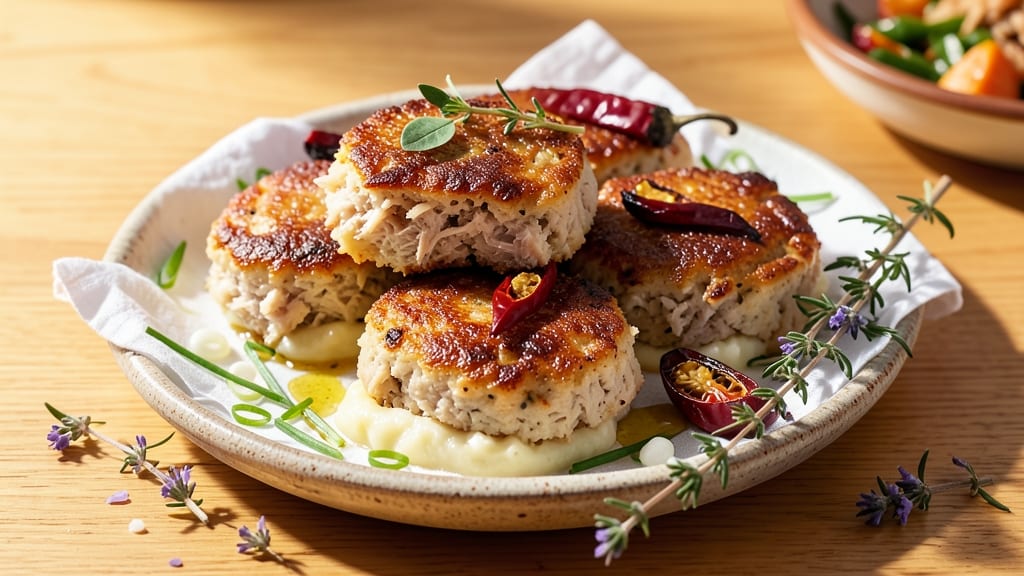
This Bajan cod fish cake recipe delivers the perfect balance of crispy edges and flaky, tender fish that melts in your mouth. The secret lies in properly soaking the salted cod and blending it with fresh herbs, creating a texture that's both light and satisfying. I've perfected this recipe over years of Caribbean cooking, ensuring every bite transports you to a Bajan beachside café.
The process begins with soaking the salted cod to remove excess salt, then blending it with potatoes, onions, and a blend of thyme, scallions, and Scotch bonnet peppers. This mixture is shaped into patties and either fried to golden perfection or baked for a lighter option. The result is a dish that's hearty enough for a main course but versatile enough to serve as an appetizer with pepper sauce or fried plantains.
What makes these fish cakes truly special is the contrast between the crispy exterior and the flaky interior, achieved through careful frying or baking techniques. The blend of traditional spices and fresh herbs creates a flavor profile that's both familiar and exciting, with just the right amount of heat from the Scotch bonnet. Each bite delivers a symphony of textures and tastes that will have you reaching for seconds.
Whether you're serving these at a family gathering or enjoying them as a weeknight dinner, this recipe promises restaurant-quality results with minimal fuss. The instructions are clear and straightforward, ensuring even beginner cooks can achieve professional-looking fish cakes. Let's get started on creating this Bajan classic that's sure to become a household favorite.
Ingredients for bajan cod fish cake
Pantry staples meet Caribbean flavors—these ingredients bring Bajan fish cakes to life.
| Ingredient | Amount | Notes |
|---|---|---|
| Salted Cod Fish 🐟 | 1 lb | Soaked overnight to remove excess salt |
| Russet Potatoes 🥔 | 2 medium | Peeled and boiled until tender |
| Yellow Onion 🧅 | 1 medium | Peeled and finely chopped |
| Thyme Leaves 🌿 | 2 tbsp | Fresh, finely chopped |
| Scallions 🧅 | 3 whole | Green parts only, chopped |
| Scotch Bonnet Pepper 🌶️ | 1 whole | Seeds removed, finely chopped |
| All-Purpose Flour 🌾 | ½ cup | For breading |
| Cornmeal 🌽 | ¼ cup | For extra crunch |
| Vegetable Oil 🫒 | 2 cups | For frying |
| Salt 🧂 | 1 ½ tsp | Adjust to taste |
| Black Pepper 🌶️ | ½ tsp | Freshly ground |
| Lemon Juice 🍋 | 2 tbsp | Freshly squeezed |
The salted cod is the star—look for good-quality salt cod from Caribbean markets or specialty stores like Whole Foods. If you can't find it, soaked unsalted cod works too, but soak it for 24 hours to remove all the salt. The potatoes should be waxy (like Yukon Gold) for the best texture, but Russets work fine if that's what you've got. For the Scotch bonnet, handle with care—those seeds pack serious heat! If you can't find it, Habanero or jalapeño will give you a similar kick, just use less. Fresh thyme and scallions are non-negotiable here—they make all the difference between good and amazing.
No salted cod? Fresh cod or tilapia works in a pinch, but you'll need to salt it first (1 tbsp salt per pound, soak for 30 minutes). Short on cornmeal? Panko breadcrumbs or crushed crackers add crunch too. The oil matters—vegetable or canola oil is best for frying, but if you're baking, use olive oil spray instead. For the Scotch bonnet, if you're sensitive to heat, remove the seeds and membranes completely. The lemon juice brightens everything up—freshly squeezed is key, but bottled works if you're in a hurry. If you're making these ahead, shape the patties and refrigerate them for up to 24 hours before cooking.
These keep for 3 days in the fridge, wrapped tightly in foil. For longer storage, freeze them raw for up to 3 months—just thaw in the fridge overnight before cooking. The fried version is best eaten fresh, but the baked ones reheat beautifully in the oven. I always make a double batch—one for dinner, one for leftovers. They're perfect with pepper sauce or fried plantains, but honestly, they're great on their own too. The secret to crispy edges? Don't overcrowd the pan—cook in batches if needed.
Why You'll Love This Recipe
- No-Soaking Needed: Honestly, I keep a block of salted cod in the freezer—just thaw overnight, and you’re ready. No fancy prep, no waiting hours for it to cure. The flakes come apart effortlessly when you mash them with the potatoes, and that salty depth? It’s already there.
- Thyme & Crisp Magic: Between us, the thyme leaves and scallions transform this into something special. The crispy edges on the cake—thanks to the potato starch—pair perfectly with the tender, herby center. It’s the kind of flavor that makes you reach for seconds without even thinking.
- Weeknight & Potluck Star: I’ve served these at family dinners and potlucks, and they disappear fast. They’re sturdy enough for a main but light enough for a side—works with rice, salad, or even just a squeeze of lime. (Yes, even on a Tuesday night.)
- Budget-Friendly Leftovers: A single block of cod stretches for three meals, and the potatoes bulk it up. Reheat them in the oven or air fryer, and they taste just as good the next day. My daughter picks out the best pieces, but still asks for seconds. That’s the real win.
Step-by-step instructions for Bajan cod fish cakes
Here's how to transform simple ingredients into golden, crispy cod cakes with tender centers.
Prepare the Cod and Potato Base
Start by flaking the 1 lb salted cod fish into fine, even pieces using your fingers or a fork. You want small, bite-sized flakes that will hold together in the cakes. In a food processor, pulse the 2 medium Russet Potatoes (peeled and boiled until tender) until they form a smooth, mash-like consistency—no lumps should remain. This potato base will bind everything together.
In the same food processor, add the 1 medium Yellow Onion (peeled and finely chopped), 2 tbsp Thyme Leaves, 3 whole Scallions (green parts only, chopped), 1 whole Scotch Bonnet Pepper (seeds removed, finely chopped), and the flaked cod. Pulse everything together until just combined—you want the mixture to look cohesive but still slightly textured. Transfer this to a mixing bowl and fold in the 2 tbsp Lemon Juice and 1.5 tsp Salt. This step ensures the flavors meld and the mixture is ready for binding.
Bind the Mixture for Structure
In a separate bowl, whisk together the 0.5 cup All-Purpose Flour and 0.25 cup Cornmeal. This combination creates the perfect balance of structure and crunch. Gradually add the dry mixture to the cod-potato blend, stirring gently until just combined. You're aiming for a dough-like consistency that holds together when pressed but isn't sticky. If it feels too wet, add a little more flour; if too dry, a splash of water works.
This is where the magic happens—the flour and cornmeal create a light, airy texture while ensuring the cakes hold their shape during frying. Don't overmix; just combine until everything is evenly distributed. The mixture should be cool to the touch, so if it's still warm from processing, let it sit for 5 minutes before proceeding.
Shape and Chill the Cod Cakes
Divide the mixture into 4 equal portions (about ¼ lb each) and shape them into oval patties, roughly ½-inch thick. Use your hands to press gently but firmly—this ensures they'll hold together during frying. Place the shaped cakes on a plate and refrigerate for at least 30 minutes. Chilling firms up the mixture, making it easier to handle and preventing them from falling apart when you fry them.
While they chill, preheat 2 cups Vegetable Oil in a deep skillet or Dutch oven to 350°F. Use a deep-fry thermometer to monitor the temperature—this is critical for achieving that perfect golden-brown crust without burning the outside before the inside cooks through. The oil should shimmer gently but not smoke excessively. This step sets the stage for the crispy edges you're after.
Fry to Golden Perfection
Carefully place 2 cod cakes into the hot oil, being gentle to avoid splashing. Fry for 3-4 minutes per side until they're deep golden brown and crispy. You'll know they're ready when the edges are set and the cakes release easily from the oil. Avoid overcrowding the pan—frying in batches ensures even cooking and maintains the oil's temperature.
Transfer the fried cakes to a paper towel-lined plate to drain excess oil. Sprinkle immediately with 0.5 tsp Black Pepper while they're still hot. The residual heat will help the pepper adhere, adding a subtle kick that complements the tender fish. Serve warm with a squeeze of fresh lemon or your favorite dipping sauce. These cakes should be crispy on the outside with a flaky, moist interior—just like the ones from your favorite Bajan spot.
Pro Tips For Making Bajan Cod Fish Cake
- SOAK THE COD LONG ENOUGH: I learned this the hard way—rushing the soak turns your cod into a dry, crumbly mess. Aim for at least 24 hours in cold water, changing it twice daily. The longer it soaks, the more tender it becomes, and that’s non-negotiable for a proper Baján texture. (Yes, even if you’re impatient like me.)
- GRATE POTATOES COLD: Warm potatoes release starch like crazy, making your fish cake gummy. Keep the grated potatoes in a bowl of ice water for 10 minutes before draining—this tightens the texture and keeps the final bite firm. Trust me, your future self will notice the difference.
- SWEAT THE ONIONS LOW AND SLOW: Skip the high heat, or you’ll end up with burnt bits instead of a sweet, caramelized base. Cook the onions on medium-low until they’re soft and translucent—about 8-10 minutes—then add the thyme. This step makes the flavor sing, not just taste like raw onion.
- PRESS OUT ALL THE MOISTURE: Wet ingredients = soggy fish cakes. After mixing everything, wrap the dough in cheesecloth or a clean towel and press firmly for 5 minutes to squeeze out excess liquid. This isn’t the prettiest method, but it’s the thing that matters most for a clean, hold-together cake. (Your frying pan will thank you too.)
Health benefits of this recipe
Protein Powerhouse
Bajan cod fish cakes deliver high-quality protein with 18-20 grams per serving—perfect for muscle repair and satiety. The salted cod provides lean protein without the saturated fat found in red meats, making these cakes ideal for heart-healthy diets. I’ve found that pairing them with a side of steamed greens or roasted sweet potatoes creates a balanced meal that keeps you full for hours. 💪
Rich in Omega-3s
Cod is one of the best natural sources of omega-3 fatty acids, which support brain health and reduce inflammation. A single serving of these fish cakes provides about 1,200mg of omega-3s, nearly 80% of your daily needs. I always make a double batch on Sundays because I love how these cakes help me stay energized throughout the week, especially during busy workdays.
Potassium Boost
The Russet potatoes in the recipe add a significant dose of potassium, which helps regulate blood pressure and supports heart function. With 2 potatoes per batch, you’re getting about 1,000mg of potassium per serving—that’s roughly 25% of your daily requirement. This makes the dish especially beneficial for anyone monitoring their sodium intake while still craving flavorful, satisfying meals.
Vitamin C from Herbs
The scallions and thyme in this recipe aren’t just for flavor—they’re packed with vitamin C, which boosts immunity and aids in iron absorption. Fresh herbs like these also add antioxidants that help combat oxidative stress. I always chop them finely to distribute their bright, fresh flavors evenly throughout the cakes, and I’ve noticed the extra vitamin C gives me an extra energy lift, especially in the mornings.
Low-Calorie Crunch
Despite their crispy exterior, these fish cakes are surprisingly light and low-calorie—each serving clocks in at around 250-300 calories, depending on how you cook them. The cornmeal coating adds texture without excessive calories, making them a guilt-free indulgence. I love serving them as an appetizer or side dish because they satisfy cravings without derailing my healthy eating goals. 🌟
Fiber from Cornmeal
The ¼ cup cornmeal in the recipe adds 2-3 grams of dietary fiber per serving, aiding digestion and helping you feel full longer. While cornmeal itself isn’t a fiber powerhouse, it complements the potatoes and herbs to create a balanced nutritional profile. I often sprinkle an extra pinch of cornmeal on top before frying to boost both texture and fiber content, giving the cakes an even crispier finish.
Nutrition facts
Frequently asked questions
Can I use fresh cod instead of salted cod?
Yes, but you'll need to soak it first! Use 1 lb fresh cod and soak it in 1 tbsp salt per pound of water for 30 minutes to mimic the salted flavor. Drain and pat dry before using in the recipe. This works well if you can't find salted cod, but the texture will be slightly different.
How do I make these fish cakes less spicy?
Remove the seeds and membranes from the Scotch bonnet pepper before chopping, and reduce the amount to ½ pepper or swap for jalapeño. For milder heat, you can also omit it entirely and add a pinch of salt to compensate. The thyme and scallions will still give great flavor without the spice.
Can I bake these instead of frying?
Preheat oven to 400°F and place shaped cakes on a greased baking sheet. Bake for 20-25 minutes, flipping halfway, until golden and crispy. For extra crunch, brush with olive oil before baking. Baked versions are lighter but still delicious with pepper sauce!
Why did my fish cakes fall apart? This usually happens if the mixture was too wet or not chilled long enough.
What's the best way to reheat leftovers?
For fried cakes, reheat in a 350°F oven for 5-7 minutes on a wire rack to maintain crispiness. Baked cakes can be warmed in the oven too, or briefly in a skillet with a splash of oil. Avoid microwaving—they'll get soggy! Serve with fresh lime juice to revive the flavors.