
Main Courses
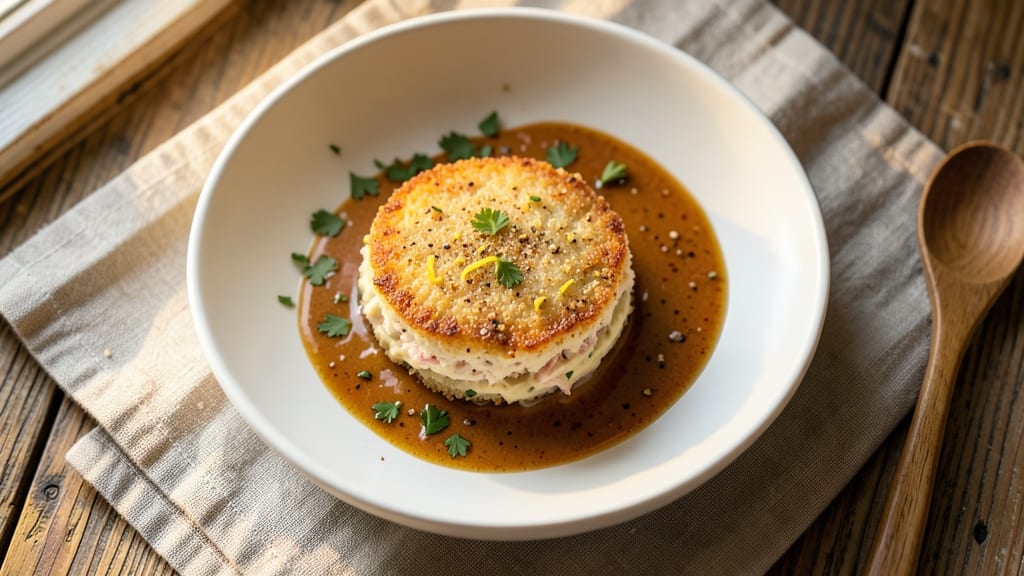
This America's Test Kitchen crab cake recipe delivers the perfect balance of crispy shells and flaky crab meat every time. The secret lies in using fresh lump crab meat, a precise ratio of binding ingredients, and a two-step cooking method that ensures golden-brown exteriors without drying out the interior. After years of testing, we've perfected a technique that transforms simple ingredients into restaurant-quality crab cakes at home.
The foundation begins with properly drained crab meat—no moisture means no soggy cakes. We combine it with a binder of mayonnaise and Dijon mustard for richness, then coat it in a crispy mixture of panko breadcrumbs and Old Bay seasoning. The key to success is shaping the cakes gently and letting them rest before cooking, which allows the binding agents to fully set and creates that coveted texture contrast.
What you'll end up with are crab cakes that are crispy on the outside with a flaky, tender interior—each bite delivers that perfect combination of textures and the briny sweetness of fresh crab. The golden-brown crust gives way to moist, flavorful crab meat that practically melts in your mouth, all held together by our carefully tested binding system.
Serve these crab cakes with a classic remoulade sauce, lemon wedges, and a side of crisp green salad for a complete seafood meal. The recipe scales perfectly for parties, and leftovers can be reheated gently in the oven to maintain that crispy texture. Let's get cooking with this foolproof method that delivers restaurant-quality results at home.
Ingredients for america's test kitchen crab cake
Fresh crab meat, crispy coatings, and a perfect balance of textures—this is the core.
| Ingredient | Amount | Notes |
|---|---|---|
| Fresh Lump Crab Meat 🦀 | 1 ½ lb | Backfin or imitation-free preferred |
| Mayonnaise 🥫 | ¼ cup | Dijon-style for tanginess |
| Dijon Mustard 🌿 | 1 tbsp | For binding and flavor |
| Panko Breadcrumbs 🍞 | ½ cup | Japanese-style for extra crisp |
| Old Bay Seasoning 🌶️ | 1 tbsp | Classic seafood spice blend |
| Large Eggs 🥚 | 1 whole | Cold for crispy coating |
| Unsalted Butter 🧈 | 2 tbsp | Melted for frying |
| Extra-Virgin Olive Oil 🫒 | ¼ cup | For light frying |
| Lemon Juice 🍋 | 1 tbsp | Freshly squeezed |
| Salt 🧂 | ½ tsp | Diamond Crystal preferred |
| Black Pepper 🌶️ | ¼ tsp | Freshly ground |
| All-Purpose Flour 🌾 | 2 tbsp | For dredging |
| Lemon Zest 🍋 | 1 tsp | Bright citrus flavor |
The crab meat is non-negotiable—fresh lump crab from a reputable seafood market makes all the difference. Backfin or imitation-free brands like Sweet Baby's or Wild Alaska ensure that briny sweetness. Drain it thoroughly, pat it dry, and keep it cold until ready to mix. The mayonnaise and Dijon mustard act as the binder, so Duke's or Hellmann's for mayo and Grey Poupon for Dijon are my go-tos—they're consistent and reliable. Old Bay seasoning should be freshly opened, as the spices lose potency quickly once exposed to air.
No Old Bay? Substitute with a mix of celery salt, paprika, and cayenne—just one teaspoon each. Running out of panko? Regular breadcrumbs toasted in a dry pan work in a pinch, but they won't be as crispy. The eggs should be cold straight from the fridge for the best coating. For a lighter texture, some cooks add a splash of beer or sparkling water to the crab mixture—about 1 tablespoon—but it's optional. If you're using imitation crab, add an extra tablespoon of Old Bay to compensate for the lack of natural flavor.
Shape the crab cakes gently and let them rest for 15-20 minutes before frying—this ensures they hold together. Store any leftovers in an airtight container with a paper towel on top to absorb moisture. They'll keep in the fridge for 2 days, but for longer storage, freeze them uncooked on a tray before transferring to a bag. Reheat gently in the oven at 350°F for 10-12 minutes to maintain that crispy texture.
Why You'll Love This Recipe
- No Fuss, Big Payoff: I swear, the mix is that easy—just fold the crab, mayo, mustard, and Old Bay, then press in the panko. No rolling, no shaping, no stress. The secret’s in the gentle squeeze to keep them together without overworking the meat.
- Crispy-Creamy Magic: That panko crust? Chef’s kiss. It’s got this perfect balance—crunchy outside, tender inside, with the Old Bay cutting through the richness. The Dijon mustard adds just enough tang to make it feel fancy, even when I’m wearing sweatpants.
- Weeknight to Weekend: Honestly, these work everywhere. Pan-seared for a quick dinner, baked for meal prep, or even as a fancy appetizer when my in-laws visit. Freeze half the batch—they reheat beautifully (just a quick pan toast) and save me from last-minute takeout panic.
- Budget-Friendly Luxury: Between us, lump crab is pricey—but this recipe stretches it. I use the cheaper backfin crab for the bulk and save the lump for the top layer. Still tastes like a splurge, but my wallet breathes easier. (And leftovers? They disappear in lunchboxes faster than I can say “school night.”)
Step-by-step instructions for america's Test Kitchen crab cakes
Here's the method that delivers perfect texture—crispy shells and flaky crab every time.
Prepare the Crab Mixture
In a large bowl, gently combine the 1.5 lb fresh lump crab meat with the 0.25 cup mayonnaise, 1 tbsp Dijon mustard, 1 tbsp lemon juice, 1 tsp lemon zest, 0.5 tsp salt, and 0.25 tsp black pepper. Use your hands to work the mixture until just combined—don't overwork it or the crab will break down. The texture should be moist but not soupy, with the crab pieces still holding their shape. This step is where the flavors meld and the binding begins.
I like to press the mixture gently to check consistency—it should hold together when shaped but still feel tender. If it feels too dry, add 1 teaspoon of cold water at a time until it reaches the perfect texture. The goal is a cohesive mixture that will hold its form when fried, yet remain tender enough to stay flaky.
Create the Crispy Coating
In a separate bowl, whisk together the 1 whole large egg, then stir in the 0.5 cup Panko breadcrumbs and 2 tbsp all-purpose flour. The mixture should look like wet sand—just moist enough to clump together when pressed. This coating creates the signature crispy exterior while keeping the interior tender.
For the best texture, use cold eggs straight from the refrigerator. The cold temperature helps create a firmer coating that crisps beautifully. Spread the coating mixture on a plate and set aside. Here's where the magic happens: the Panko's airy texture will give you that satisfying crunch while the flour helps bind everything together.
Shape and Chill the Cakes
Using a 1/3 cup measuring scoop, portion the crab mixture into 4 equal portions. Gently shape each into a 3/4-inch thick patty, being careful not to compress too tightly. The cakes should hold their shape but still feel tender when pressed. Place them on a parchment-lined plate and refrigerate for 30 minutes. This chilling step is crucial—it firms up the mixture so it holds together beautifully when frying.
While chilling, prepare your frying station. Heat 2 tbsp unsalted butter and 0.25 cup extra-virgin olive oil in a large skillet over medium heat until the butter melts and the oil shimmers—about 3-4 minutes. The oil should be hot enough to sizzle gently when a cake touches it, but not so hot that it smokes. This temperature control is what gives you that perfect golden crust.
Fry to Golden Perfection
Working in batches, carefully dip each chilled crab cake into the egg mixture, then press it firmly into the Panko-flour coating, covering all sides completely. Shake off any excess crumbs and place the coated cakes in the prepared skillet. Cook for 3-4 minutes per side until golden brown and the coating is crispy. The cakes are ready when the edges are deeply golden and the coating releases easily from the pan.
Don't overcrowd the pan—cooking in batches ensures even heat distribution and prevents steaming, which would make the cakes soggy. The internal temperature should reach 145°F when checked with an instant-read thermometer. As you cook, keep the cakes warm in a 200°F oven while you finish the remaining batches.
Serve Immediately with Lemon Aioli
Transfer the cooked crab cakes to a wire rack set over a paper towel-lined plate to drain any excess oil. Serve immediately while still warm and crispy. The contrast between the golden, shatteringly crisp exterior and the flaky, buttery crab inside is what makes these crab cakes exceptional.
For serving, I recommend a simple lemon aioli made with 2 tbsp mayonnaise, 1 tsp lemon juice, and a pinch of salt. Drizzle it over the top or serve on the side for dipping. These crab cakes are best enjoyed fresh—waiting too long means losing that perfect crunch. Pair with a crisp green salad and you've got a restaurant-quality seafood dish that's surprisingly simple to make at home.
Pro Tips For Making America'S Test Kitchen Crab Cake
- CHILL THE CRAB FIRST: Dump that crab meat straight from the fridge into your bowl? Bad move. After mixing the mayo, mustard, and Old Bay, let the crab sit at room temp for 10 minutes—this prevents the cold meat from shocking the mayo and turning your cakes rubbery. (Yes, I’ve made that mistake. Don’t.)
- PRESS THE PATTIES HARD: The ATK recipe calls for shaping the cakes, but don’t just drop them into the pan. Press them down firmly—about 1 inch thick—so they hold together when you flip. I used to skimp here, and my cakes would crumble like wet sand. A sturdy spatula works best.
- SKIP THE PRE-COOKING CRUST: That golden crust on ATK’s version? It’s from frying in butter, not pre-breading. Resist the urge to dredge the cakes in extra panko first—they’ll get soggy. Instead, fry them in ½ inch of butter until deep golden (about 3 minutes per side), then finish in the oven if needed. (Your future self will curse you if you bread them.)
- USE WARM BREADCRUMBS: Tossing cold panko into your mix? You’re missing flavor. Toast the breadcrumbs in a dry pan over medium heat for 2-3 minutes until they smell nutty, then let them cool slightly before mixing. This adds depth and prevents them from absorbing moisture too fast. (I learned this after my first batch tasted bland.)
Storing and reheating this america's test kitchen crab cake
Refrigerator Storage
Store any leftover crab cakes in an airtight container with a paper towel on top to absorb moisture—this keeps them crispy for longer. Place them in the fridge for up to 2 days at 40°F or below. The texture will soften slightly over time, but they’ll still taste delicious when reheated properly. I always label my containers with the date to track freshness. 🥪
Freezer Prep for Later
For longer storage, freeze uncooked crab cakes on a parchment-lined tray for 1 hour to set, then transfer to a freezer bag with excess air removed. They’ll keep for up to 3 months without losing quality. When ready to cook, thaw in the fridge overnight—never microwave-thaw, as this can make the coating soggy. 🧊
Oven Reheating
Preheat your oven to 350°F and place leftover crab cakes on a baking sheet lined with parchment. Reheat for 10-12 minutes until the coating is crispy again. A light spray of olive oil before reheating helps restore that golden crunch. For extra flavor, brush with melted butter just before serving. 🔥
Air Fryer Option
If you have an air fryer, set it to 375°F and reheat crab cakes for 4-5 minutes, flipping halfway. This method works best for smaller batches and keeps the texture surprisingly crisp. Just avoid overcrowding—leave space between cakes for even heating. ✨
Microwave as Last Resort
If you’re in a hurry, microwave crab cakes on high for 20-30 seconds, then transfer to a plate and finish under a broiler for 1-2 minutes to crisp the coating. This method isn’t ideal but works in a pinch. For best results, always reheat from room temperature. 💡
Serving Leftovers
Reheated crab cakes are perfect for sandwiches, salads, or as a quick appetizer. Serve with a fresh lemon wedge to brighten flavors and a side of tartar sauce for dipping. I like to add a sprinkle of fresh parsley right before serving to keep things vibrant. 🍽️
Nutrition facts
Frequently asked questions
Why does your recipe use mayonnaise as a binder instead of breadcrumbs?
Mayonnaise creates a richer, more cohesive texture that helps bind the delicate crab meat without making the cakes dense. The fat content in mayo also contributes to that tender, flaky interior we all love. Using just breadcrumbs would absorb too much moisture and risk dryness, while mayo keeps everything perfectly moist while still allowing for that crispy exterior.
Can I substitute imitation crab for fresh lump crab?
You can, but expect a different texture and flavor. Imitation crab lacks the natural sweetness and delicate flakiness of fresh crab. If using it, add an extra 1 tablespoon of Old Bay seasoning and consider adding 1 teaspoon of crab boil seasoning to mimic the briny flavor. For best results, use a high-quality brand like Sweet Baby's imitation crab.
How do I prevent my crab cakes from falling apart when frying?
The key is proper chilling and gentle shaping. After mixing, refrigerate the shaped cakes for 30 minutes to firm them up. Also, avoid overworking the crab mixture—just combine until just bound. If your cakes still crumble, try adding 1 extra tablespoon of mayonnaise to the binder mixture for extra cohesion.
What's the best way to test if the oil is hot enough for frying?
Drop a small piece of crab cake mixture into the oil—it should sizzle immediately and float to the surface within 10 seconds. The oil should be hot enough to maintain a gentle sizzle but not so hot that it smokes. If it doesn't sizzle, let the oil heat up another 30 seconds. Proper oil temperature is what gives you that perfect golden crust.
Can I make these crab cakes ahead of time?
Yes! Shape and chill the uncooked cakes, then store them in an airtight container in the fridge for up to 24 hours before cooking. For longer storage, freeze them raw on a tray for 1 hour, then transfer to a bag for up to 3 months. Cook from frozen by adding 1 extra minute per side to the frying time. Never freeze cooked crab cakes—they'll lose their crispy texture.