
Desserts
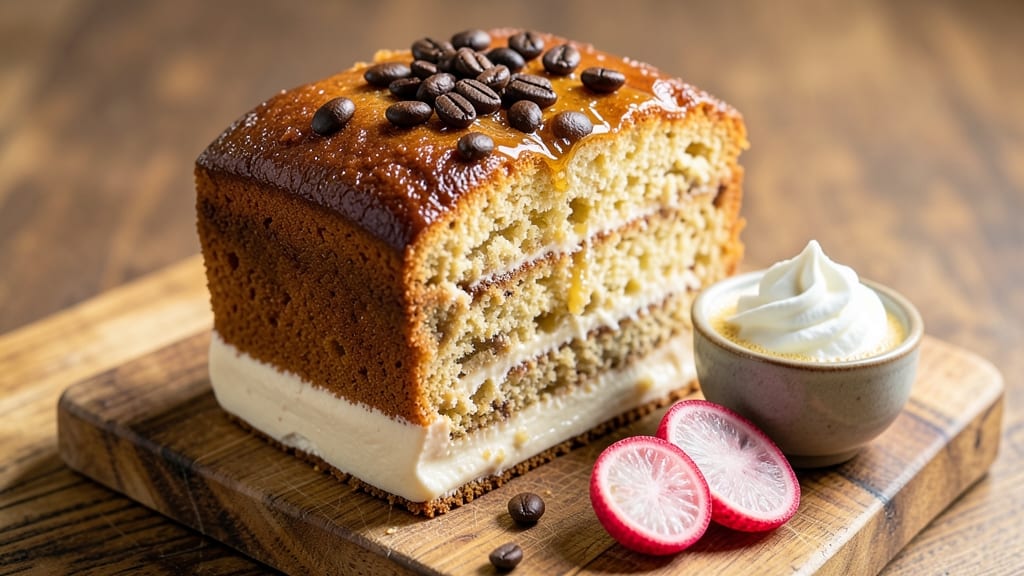
This Asian coffee cake recipe delivers moist, spice-infused layers that balance sweetness and warmth in every bite. Inspired by traditional Asian baking techniques, it uses coconut milk for richness and black sesame or red bean paste for depth—without sacrificing simplicity. The secret lies in a foolproof mixing method that ensures tender crumbs and a golden crust, perfect for weekend baking or special occasions.
What sets this coffee cake apart is its harmonious blend of flavors: aromatic cardamom and cinnamon mingle with buttery vanilla, while toasted sesame seeds add nutty texture. The recipe calls for one bowl of mixing and 40 minutes in the oven, making it accessible for home bakers while delivering restaurant-quality results. Whether you're serving it with tea or as a dessert centerpiece, the fragrance alone will have everyone asking for seconds.
By the time it emerges from the oven, you’ll have a cake that’s rich yet light, with a tender crumb and a subtle caramelized edge. The optional dusting of powdered sugar or drizzle of honey elevates it further, but even plain, it’s irresistibly moist. This is the kind of dessert that feels both comforting and sophisticated—ideal for brunch, potlucks, or a quiet afternoon treat.
For extra flair, top with fresh fruit like mango or lychee, or add a swirl of sweet red bean paste before baking. The versatility ensures it fits any occasion, while the simple ingredient list keeps it stress-free. Let’s get baking!
Ingredients for asian coffee cake
Simple yet sophisticated ingredients create this aromatic Asian coffee cake with perfect moisture balance.
| Ingredient | Amount | Notes |
|---|---|---|
| All-Purpose Flour 🌾 | 2 ½ cups | Sifted for light texture |
| Granulated Sugar 🍚 | 1 ½ cups | Light brown preferred |
| Coconut Milk 🥥 | 13 ½ oz | Full-fat canned preferred |
| Unsalted Butter 🧈 | 1 cup | Cold, cubed for cutting |
| Large Eggs 🥚 | 2 whole | Room temperature for blending |
| Vanilla Extract 🌸 | 1 tbsp | Pure Madagascar preferred |
| Ground Cardamom 🌿 | 1 tsp | Freshly ground for aroma |
| Ground Cinnamon 🌶️ | 1 ½ tsp | Ceylon preferred for quality |
| Toasted Sesame Seeds 🥜 | ¼ cup | Lightly toasted for nuttiness |
| Sweet Red Bean Paste 🍬 | ½ cup | Store-bought or homemade |
| Baking Powder 🧂 | 1 tsp | Aluminum-free preferred |
| Salt 🧂 | ½ tsp | Fine sea salt preferred |
| Powdered Sugar 🍚 | ¼ cup | For optional dusting |
The coconut milk is non-negotiable here—full-fat canned delivers the rich, creamy texture that sets this cake apart. Thai Kitchen or Aroy-D brand are reliable choices, though any full-fat canned coconut milk works. For the sesame seeds, toast them lightly in a dry pan until golden—this enhances their nutty flavor dramatically. Cardamom and cinnamon should be freshly ground if possible, as pre-ground spices lose potency quickly. The red bean paste can be found in the Asian foods aisle at Whole Foods or Trader Joe's, or made at home for extra authenticity.
No coconut milk? Substitute with full-fat Greek yogurt or sour cream at the same volume, though the texture will differ slightly. Running short on vanilla? Almond extract at half the amount works in a pinch, but pure Madagascar vanilla is ideal. For a nut-free version, omit the sesame seeds and replace with chopped toasted almonds or pecans. The baking powder must be fresh—if it's over 6 months old, test it by mixing with water (should bubble immediately). For a gluten-free adaptation, use a 1:1 gluten-free flour blend, though texture may vary.
Store the cake in an airtight container at room temperature for up to 3 days—it actually improves overnight as flavors meld. For longer storage, wrap tightly and refrigerate for 5 days or freeze for 3 months. The powdered sugar dusting should be done just before serving to prevent clumping. Leftovers reheat beautifully in a 350°F oven for 5-10 minutes to restore freshness. This cake freezes exceptionally well, making it perfect for batch baking ahead of gatherings.
Why You'll Love This Recipe
- One-Bowl Wonder: I swear by this recipe when I’m too tired to measure three separate bowls. Mix the dry ingredients, fold in the coconut milk and melted butter—no sifting, no fuss—and you’re done. The eggs bind it all together like magic, so you don’t even need a mixer.
- Creamy Coffee Kiss: That first sip of coffee-infused syrup cutting through the tender crumb? Chef’s kiss. The coconut milk keeps it moist while the sugar caramelizes just enough to give it a subtle, addictive sweetness—no one will guess it’s not from a bakery.
- Breakfast or Dessert: Honestly, I make this for both. Toast a slice for a lazy morning with my coffee, or serve it warm with condensed milk for a weekend treat. The rich, buttery layers make it feel special without requiring a fancy occasion.
- Pantry Staple Magic: Between us, this uses ingredients you already have. Flour, sugar, butter—basic stuff that doesn’t break the bank. And the leftovers? They last a week in the fridge, so you’re not scrambling for excuses to bake it again.
Step-by-step instructions for Asian coffee cake
This method balances rich coconut milk moisture with aromatic spices for a cake that stays tender yet holds its shape perfectly.
Prepare the Coconut Milk and Butter Base
In a medium saucepan, combine the 13.5 oz coconut milk with 1 cup unsalted butter, cubed. Place over medium-low heat and warm gently until the butter melts completely. You'll notice the mixture becomes slightly thickened as the coconut fat emulsifies—this creates the cake's signature moist texture.
Remove from heat and let cool to room temperature (about 15-20 minutes). The warm coconut milk will help dissolve the sugar more evenly later. While it cools, lightly toast the 0.25 cup toasted sesame seeds in a dry skillet over low heat for 2-3 minutes until fragrant. Set aside for the crumb topping.
Mix Dry Ingredients and Combine Wet Components
In a large mixing bowl, sift together the 2.5 cups all-purpose flour, 1.5 cups granulated sugar, 1 tsp baking powder, 0.5 tsp salt, 1.5 tsp ground cinnamon, and 1 tsp ground cardamom. Whisk until completely combined—this ensures even distribution of spices throughout the batter.
In a separate bowl, beat the 2 whole large eggs until just combined, then whisk in the 1 tbsp vanilla extract. Gradually pour the cooled coconut milk mixture into the egg mixture while whisking continuously. This step creates a smooth, homogenous batter without developing gluten, which keeps the cake tender.
Incorporate Filling and Prepare the Pan
Gently fold in the 0.5 cup sweet red bean paste using a rubber spatula, taking care not to overmix. The paste should be broken up into small chunks for even distribution. Pour half of the batter into a 9-inch round cake pan lined with parchment paper.
Spread the remaining batter evenly over the first layer, then use a spoon to create wells for the red bean paste. Drop spoonfuls of paste into the center, spacing them about 2 inches apart, then carefully swirl a knife through the batter to create marbled patterns. This technique ensures each slice contains both moist cake and sweet filling.
Bake to Golden Perfection
Preheat your oven to 350°F and bake the cake for 40-45 minutes, or until a toothpick inserted into the center comes out clean with just a few moist crumbs. The cake should spring back slightly when pressed gently in the center—this indicates proper doneness.
While the cake bakes, prepare the crumb topping by mixing the toasted sesame seeds with 0.25 cup powdered sugar in a small bowl. Once the cake is done, immediately sprinkle this mixture evenly over the top while still warm. The residual heat will help the crumb adhere beautifully.
Cool and Serve
Allow the cake to cool in the pan for 10 minutes, then transfer to a wire rack to cool completely. The cooling process lets the flavors meld and the cake set properly. For best results, serve at room temperature—this allows the coconut milk's richness to fully develop.
Slice into 8 equal wedges and serve with a dusting of powdered sugar or a dollop of whipped coconut cream. The contrast between the moist, spiced cake layers and the sweet red bean filling creates a perfect balance of texture and flavor in every bite.
Pro Tips For Making Asian Coffee Cake
- Whisk Eggs Till Ribbon: Stop mixing when the batter looks thick and holds a slow ribbon when you lift the whisk—about 30 seconds past when it looks "done." Overmixing with eggs and coconut milk makes this cake dense and tough, and I learned that after a gummy batch that tasted like cakey pudding.
- Chill the Batter: Pop the batter in the fridge for 15–20 minutes before baking. The coconut milk and butter will separate less, and the cake rises more evenly—no more lopsided tops or a sunken center. (Yes, even if you’re impatient like me.)
- Don’t Overfill the Pan: Fill your pan only ⅔ full—this cake expands more than you’d expect. I used to pack it to the brim, and it’d spill over or stay flat. Trust me, a slightly underfilled pan gives you that perfect dome.
- Toast the Coconut Milk: Warm the coconut milk to 160°F (70°C) before mixing it into the batter—just enough to melt the butter and sugar smoothly. Cold milk makes the batter lumpy, and I’ve had to start over twice because of it. (Use a thermometer; your microwave’s "hot" setting lies.)
Perfect pairings for this dish
Tea Pairings
This aromatic coffee cake pairs beautifully with jasmine green tea—its floral notes complement the cardamom and cinnamon while cleansing the palate between bites. I recommend Bigelow Jasmine Pearl for its delicate sweetness and smooth finish. For a bolder match, try Pu-erh tea from China, which has earthy undertones that balance the cake's richness. 🍵
Fruit Toppings
Add fresh mango slices or lychee for a tropical twist that brightens the cake's warm spices. I like to arrange them in a circular pattern on top before serving, creating a stunning presentation. For a simpler option, strawberries or kiwi add natural sweetness and acidity that cuts through the coconut milk's richness.
Creamy Accompaniments
A dollop of whipped coconut cream (chilled overnight) elevates the cake to restaurant-quality dessert status. For variety, try mango sorbet or lychee jelly—their cool, fruity contrast makes each bite feel special. I often serve this cake with a small scoop of vanilla bean ice cream for a classic dessert experience.
Spiced Coffee
Serve alongside a cardamom-spiced coffee made with Kona coffee beans and a pinch of cinnamon. The warm spices mirror those in the cake, creating a cohesive flavor experience. For a non-coffee option, chamomile tea with honey provides a soothing contrast that highlights the cake's nutty sesame notes.
Dessert Wine
A glass of Muscat wine from Australia pairs wonderfully with this cake—its honeyed, floral notes enhance the coconut and red bean flavors. For a lighter option, Riesling with its citrusy brightness complements the cardamom beautifully. Avoid heavy red wines that might overpower the delicate spice profile.
Cultural Serving Suggestions
In Japanese cafés, this cake would be served with matcha latte and a small plate of senbei rice crackers for crunch. For a Thai-inspired presentation, add a side of coconut pancakes and fresh rambutan. The key is balancing textures—creamy, crunchy, and soft all work together beautifully. 🌸
Nutrition facts
Frequently asked questions
Can I make this Asian coffee cake without coconut milk?
Yes! For a similar texture, substitute with 1 cup full-fat Greek yogurt or sour cream plus ½ cup milk. The cake will still be moist but slightly less rich. For a dairy-free option, use 1 cup coconut yogurt or ½ cup melted coconut oil + ½ cup warm water to mimic the fat content.
How do I store leftovers to keep them fresh?
Keep the cake in an airtight container at room temperature for up to 3 days. For longer storage, refrigerate for 5 days or freeze for 3 months. To reheat, warm slices in a 350°F oven for 5-10 minutes to restore freshness. The sesame crumb topping stays crispy when stored properly!
What if my cake turns out too dense?
Overmixing the batter or using cold ingredients are common culprits. Next time, ensure your eggs and coconut milk are room temperature, and mix just until combined (about 30 seconds after adding wet ingredients). Also, check your baking powder—if it's old, it won't provide enough lift. Sifting the flour helps too!
Can I replace the red bean paste with something else?
Try chopped dates, chocolate chips, or lychee jam for a fruity twist. For a nutty option, fold in ½ cup chopped toasted almonds or pecans. Just reduce the powdered sugar in the crumb topping by 1 tablespoon if using sweeter fillings.
Is this cake gluten-free friendly?
Not traditionally, but you can adapt it! Replace the all-purpose flour with a 1:1 gluten-free flour blend (like Bob's Red Mill). Note that the texture may be slightly denser. For best results, add ½ teaspoon xanthan gum to the dry ingredients to improve structure. The coconut milk and spices will still shine through!