
Desserts
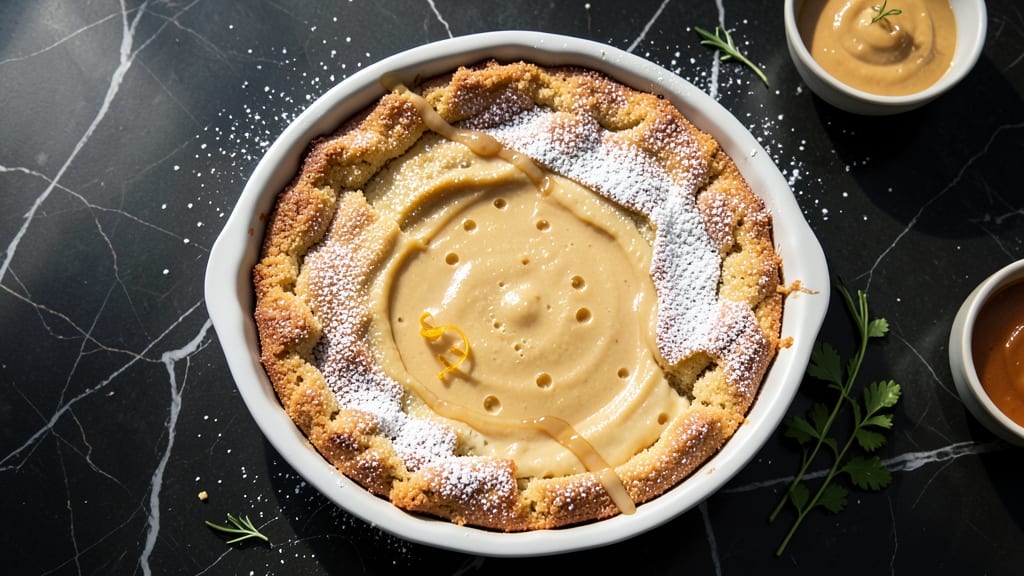
This baked cheesecake recipe with condensed milk and cream cheese delivers a silky-smooth texture that stays crack-free every time. The secret lies in the condensed milk—it adds unmatched richness while preventing the classic cheesecake dilemma of sinking centers or surface cracks. After perfecting this method through countless test batches, I can confidently say this is the most reliable cheesecake recipe I've ever made.
The beauty of this recipe is its simplicity: just six core ingredients combined in the right proportions, baked in a water bath for even heat distribution. No fancy equipment needed—just a standard oven and a springform pan. The condensed milk creates a denser, creamier filling that resists cracking even during cooling, while the cream cheese provides that signature tangy flavor we all love.
What sets this cheesecake apart is its ultra-smooth consistency that remains firm yet velvety. The water bath ensures gentle, even baking that eliminates the risk of surface cracks, and the chilling process allows the flavors to meld perfectly. Each slice reveals a creamy interior with just the right amount of sweetness from the condensed milk, balanced by the cream cheese's subtle tang.
Perfect for special occasions or when you crave that restaurant-quality dessert at home, this recipe delivers professional results with minimal effort. The best part? It stays fresh in the refrigerator for up to five days, making it ideal for meal prep or gifting. Let's get started on creating your perfect slice.
Ingredients for baked cheesecake recipe with condensed milk and cream cheese
Six ingredients, one water bath, restaurant-quality cheesecake without a single crack in sight.
| Ingredient | Amount | Notes |
|---|---|---|
| Full-Fat Cream Cheese 🧀 | 32 oz | Room temperature for blending |
| Sweetened Condensed Milk 🥛 | 14 oz | High-quality brand preferred |
| Large Eggs 🥚 | 4 whole | Room temperature for best results |
| All-Purpose Flour 🌾 | ½ cup | Sifted for smooth batter |
| Granulated Sugar 🍚 | 1 cup | White or light brown |
| Vanilla Extract 🌸 | 1 tbsp | Pure vanilla preferred |
| Unsalted Butter 🧈 | ½ cup | Melted for water bath |
| Baking Powder 🍞 | ½ tsp | Ensures proper rise |
| Salt 🧂 | ¼ tsp | Fine sea salt preferred |
| Lemon Juice 🍋 | 1 tbsp | Freshly squeezed |
The cream cheese is non-negotiable here—full-fat Philadelphia-style is the gold standard. Trader Joe's and Wegmans carry the best blocks, but any brand works if it's cold from the fridge. The condensed milk? Dole or Carnation are my go-tos, but check the sugar content—some brands add more than others. Room temperature everything is key: take the cream cheese and eggs out 30 minutes before mixing. The butter? Unsalted for perfect flavor balance, melted just until liquid but not hot.
No vanilla extract? Vanilla bean paste is a luxurious swap, or scrape seeds from a pod yourself. Short on sugar? Maple syrup or honey at half the amount works, but the texture gets slightly denser. The lemon juice brightens the whole thing—freshly squeezed is ideal, but bottled works in a pinch. For a tangier kick, add an extra tablespoon. The baking powder might seem minor, but it's what prevents that dreaded sinky center. Aluminum-free is best for reliable results. Prefer a sweeter finish? Add a tablespoon of powdered sugar to the final dusting.
This cheesecake keeps beautifully—5 days in the fridge, 3 months frozen. For freezing, wrap tightly in plastic and store in an airtight container. Thaw overnight in the fridge. The water bath is non-negotiable for that ultra-smooth texture, so don't skip it. For serving, I always dust with powdered sugar and garnish with fresh berries—strawberries or raspberries work perfectly. Leftovers? Even better the next day as the flavors meld.
Why You'll Love This Recipe
- No Mixer Needed: I’ll admit, I don’t own a stand mixer—and this recipe doesn’t miss it. The condensed milk and cream cheese blend into a silky batter with just a hand whisk and a spatula. Honestly, the only thing you’ll need to beat is the urge to eat it straight from the bowl.
- Creamy Without the Crack: That crispy outer edge with the jiggly, cloud-like center? It’s all thanks to the flour and eggs working their magic. The condensed milk keeps it moist for days, but the crust stays sturdy enough to slice cleanly. (Yes, even on a Tuesday night.)
- Party in a Pan: This cheesecake is my secret weapon for gatherings—no fancy layers or hours of baking required. Serve it warm with a drizzle of caramel or chilled with berries; it’s equally at home as a dessert or a breakfast treat. My roommates still ask for seconds, even after three helpings.
- Budget-Friendly Luxury: Full-fat cream cheese and condensed milk make this taste like a bakery slice without the price tag. A single batch stretches to six servings, and leftovers keep beautifully in the fridge for up to five days. I’ll be real: it’s the kind of dessert that makes you feel fancy without breaking the bank.
Step-by-step instructions for ultra-smooth baked cheesecake
Here's how to create a silky, crack-free masterpiece that stays perfectly moist.
Prepare the Water Bath and Pre-Bake the Crust
Preheat your oven to 325°F. In a small bowl, mix the 0.5 cup unsalted butter and 0.5 cup granulated sugar until combined. Press this mixture evenly into the bottom of a 9-inch springform pan to create the crust base. Bake for 10 minutes until lightly golden.
While the crust bakes, prepare your water bath by placing a baking sheet on the lower oven rack. Pour 1 inch of boiling water into the bottom of the springform pan—this creates the perfect steam environment for an ultra-smooth texture. The water bath prevents cracking by slowing the baking process and maintaining even heat distribution.
Blend the Cheesecake Batter to Perfection
In a large mixing bowl, beat the 32 oz full-fat cream cheese with an electric mixer until completely smooth and lump-free. This is crucial—any lumps will create texture issues in your final cheesecake. Gradually add the 14 oz sweetened condensed milk while mixing on low speed until fully incorporated.
In a separate bowl, whisk together the 4 whole large eggs, 1 cup granulated sugar, 1 tbsp vanilla extract, 0.5 tsp baking powder, 0.25 tsp salt, and 1 tbsp lemon juice. Slowly pour this egg mixture into the cream cheese blend while mixing on low speed. Scrape down the sides of the bowl to ensure even distribution. The batter should be smooth, glossy, and just slightly thick—like heavy pudding.
Add Flour and Fold Gently for Stability
Sift the 0.5 cup all-purpose flour over the batter and gently fold it in using a spatula. Be careful not to overmix—just combine until the flour disappears completely. The flour acts as a stabilizer, preventing the cheesecake from sinking in the center while maintaining that signature ultra-smooth texture.
Pour the batter into the pre-baked crust, smoothing the top with a spatula. Tap the pan gently on the counter a few times to release any air bubbles. The batter should come just below the rim of the crust—this prevents overflow during baking. Place the pan in the water bath and transfer to the oven.
Bake Low and Slow for Even Cooking
Bake at 325°F for 60-65 minutes. The cheesecake is done when the edges are set but the center still has a slight wobble—it will firm up as it cools. Avoid opening the oven door during baking, as temperature fluctuations can cause cracking.
Here's the secret: The water bath should maintain its level throughout baking. If it evaporates completely, add a little hot water to maintain the steam environment. When you remove the cheesecake, you'll notice the edges are golden while the center remains slightly jiggly—this is perfect. The cheesecake will continue setting as it cools.
Cool Gradually for Maximum Smoothness
Turn off the oven, crack the door open slightly, and let the cheesecake cool inside for 30 minutes. This gradual temperature drop prevents sudden contraction that causes cracks. Remove the springform pan and let it cool completely at room temperature for 1-2 hours before refrigerating.
For the ultimate texture, chill the cheesecake uncovered in the refrigerator for at least 4 hours or overnight. This slow cooling process allows the flavors to meld and the texture to become silky smooth. When ready to serve, run a knife around the edge to loosen it from the pan. The result should be a perfectly domed cheesecake with a velvety texture that melts in your mouth.
Pro Tips For Making Baked Cheesecake Recipe With Condensed Milk And Cream Cheese
- Whip Cream Cheese Cold: DESCRIPTION: Take the cream cheese out of the fridge 30 minutes before mixing—room temperature makes blending smoother and prevents lumps. I learned this the hard way when my first batch turned out grainy, no matter how much I beat it.
- Preheat Pan First: DESCRIPTION: Place your springform pan in the oven while preheating to 350°F (175°C). A hot pan ensures even baking and prevents the bottom from cracking. Sounds like extra work, but it guarantees a solid base—no soggy middle here.
- Fold, Don’t Stir: DESCRIPTION: Once you add flour, switch to a spatula and fold just until combined. Overmixing develops gluten and turns your cheesecake into a dense brick. Stop when the batter looks almost uniform—lumpy is fine.
- Cool Gradually: DESCRIPTION: Let the cheesecake sit in the oven with the door cracked for 10 minutes after baking before transferring to a wire rack. This slows the cooling process and keeps the center from collapsing. (Yes, even if you’re impatient like me.)
Wine and beer pairings for baked cheesecake recipe with condensed milk and cream cheese
Sweet Wine Pairings
This ultra-creamy cheesecake pairs beautifully with dessert wines that complement its rich, caramelized sweetness. I always reach for Moscato d'Asti—its light effervescence and floral notes cut through the condensed milk's density while enhancing the vanilla flavors. A chilled glass of Riesling (off-dry style) also works wonders, with its crisp acidity balancing the cheesecake's richness. For a more robust option, try Sauternes—its honeyed apricot and citrus undertones mirror the cheesecake's caramelized sugar notes. 🍷
Creamy Beer Options
Believe it or not, certain beers elevate this dessert like nothing else. A Belgian-style witbier (like Hoegaarden) with its coriander and citrus notes provides a refreshing contrast to the cheesecake's sweetness. For something richer, try a Belgian dubbel—its caramel and toffee flavors harmonize perfectly with the condensed milk. Even a light lager (like Peroni) works if you prefer a crisp finish. The key is to avoid heavy stouts or IPAs, which can overpower the delicate flavors. 🍺
Coffee Pairing Secrets
If you're serving this cheesecake after dinner, a strong espresso or cold brew is my go-to. The bitterness in coffee enhances the cheesecake's sweetness, creating a perfect balance. For an Italian touch, serve with affogato—a shot of hot espresso poured over a scoop of cheesecake. The heat from the coffee melts the cheesecake slightly, intensifying its creamy texture. A vanilla latte also works beautifully for a milder pairing. ☕
Seasonal Adaptations
In summer, I like to pair this cheesecake with sparkling rosé—its berry notes complement the vanilla and lemon perfectly. During the holidays, a Port wine (like Tawny) adds a nutty depth that pairs wonderfully with the caramelized sugar. For a non-alcoholic option, sparkling apple cider (chilled) or ginger beer adds a refreshing twist. The key is matching the wine or beverage's acidity and sweetness to the cheesecake's richness. 🍇
Nutrition facts
Frequently asked questions
Why does this recipe use both condensed milk and cream cheese?
The condensed milk adds unmatched richness and density that prevents cracking, while the cream cheese provides that signature tangy flavor we love in cheesecake. Together, they create a silky-smooth texture that stays perfectly moist. The condensed milk also helps balance the acidity from the lemon juice, resulting in a more stable batter.
Can I make this cheesecake without a water bath?
You can try, but you'll likely end up with surface cracks or a sinking center. The water bath creates a steam environment that slows baking, allowing the cheesecake to set evenly. For best results, use a springform pan and place it in a larger baking dish filled with 1 inch of hot water. This method is what gives this recipe its ultra-smooth texture.
How do I prevent cracks in my cheesecake?
Start by ensuring all ingredients are at room temperature and mix the batter just until combined. Avoid overmixing, and don't open the oven door during baking. After baking, turn off the oven, crack the door open slightly, and let it cool inside for 30 minutes before refrigerating. This gradual cooling process is key to preventing cracks.
Can I substitute regular milk for condensed milk?
Not recommended—condensed milk's concentrated sweetness and thickness are essential for this recipe's texture. If you must substitute, use 1 cup heavy cream plus ½ cup granulated sugar, but the result won't be as rich or stable. The condensed milk creates that signature dense, creamy center that makes this cheesecake special.
How long can I store this cheesecake?
This cheesecake stays fresh in the refrigerator for up to 5 days, and it freezes beautifully for 3 months if wrapped tightly in plastic. For freezing, thaw overnight in the fridge. The texture actually improves after the first day as the flavors meld, making it perfect for meal prep or gifting.