
Desserts
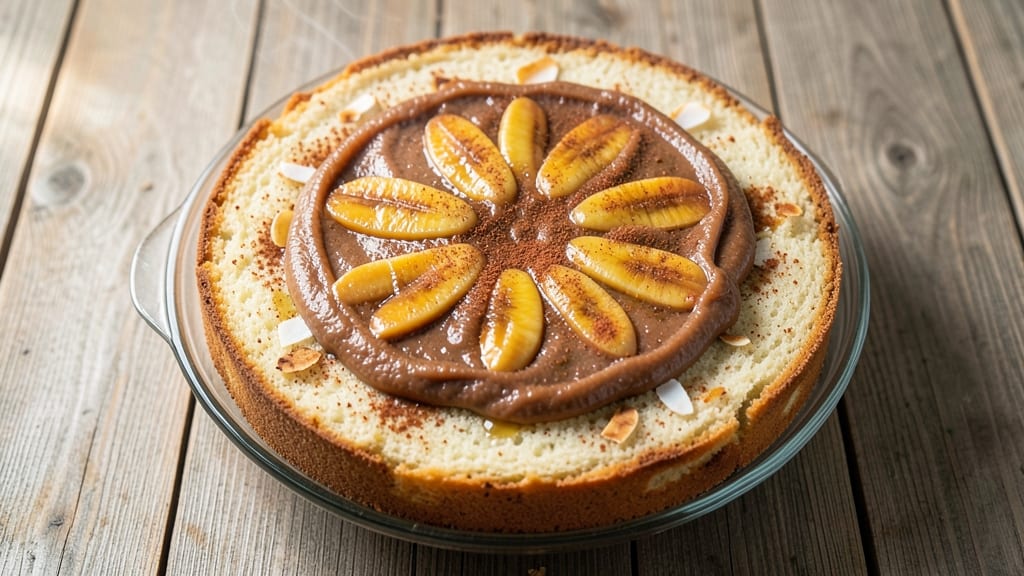
This banana cake recipe with coconut oil delivers the perfect balance of ultra-moist texture and tropical flavor that keeps slices tender for days. The secret lies in coconut oil's ability to create a rich, velvety crumb while adding subtle nutty notes that complement ripe bananas. After testing countless variations, this version consistently earns rave reviews for its foolproof moisture—no dry crumbs in sight.
The recipe begins with ripe bananas mashed into the batter, which naturally sweetens the cake while adding moisture. Coconut oil replaces butter, creating a lighter texture that stays fresh longer, even when stored at room temperature. A touch of vanilla and warm spices like cinnamon deepen the tropical flavor profile, making each bite taste like a vacation in dessert form.
What sets this apart is the 350°F baking time that ensures perfectly golden layers with a moist center—no waiting for the cake to cool to enjoy it. The coconut oil also makes this recipe naturally dairy-free, though butter can be substituted if preferred. Top with toasted coconut flakes or a drizzle of coconut whipped cream for an extra layer of indulgence.
Perfect for brunch gatherings, potlucks, or satisfying a sweet craving, this cake requires just 15 minutes of prep time and bakes in under 40 minutes. The versatility of coconut oil means it works equally well in both vegan and traditional versions, making it a crowd-pleaser for any dietary preference.
Ingredients for banana cake recipe with coconut oil
Ripe bananas and coconut oil create this ultra-moist cake with tropical flavor that stays tender for days.
| Ingredient | Amount | Notes |
|---|---|---|
| Ripe Bananas 🍌 | 2 cups | Mashed, about 3-4 medium bananas |
| All-Purpose Flour 🌾 | 2 cups | Sifted, spooned lightly |
| Granulated Sugar 🍚 | 1 cup | White or light brown |
| Coconut Oil 🥥 | ¾ cup | Unrefined, solid at room temp |
| Pure Vanilla Extract 🌿 | 1 tbsp | High-quality, no alcohol |
| Ground Cinnamon 🌶️ | 1 ½ tsp | Freshly ground preferred |
| Baking Soda 🧪 | ½ tsp | Pure, no aluminum |
| Salt 🧂 | ¼ tsp | Fine sea salt |
| Unsweetened Almond Milk 🥛 | ½ cup | Or other plant-based milk |
| Toasted Coconut Flakes 🥥 | ¼ cup | For topping, optional |
| Coconut Whipped Cream 🍦 | ½ cup | Store-bought or homemade |
The bananas are the heart of this cake—ripe ones with brown speckles pack the most sweetness and moisture. Look for bananas that yield slightly to gentle pressure at the grocery store. Whole Foods or Trader Joe's usually carry perfectly ripe ones, but check your fruit bowl first. The coconut oil is non-negotiable here—unrefined virgin oil gives the best flavor and texture. If you can only find refined, it'll still work but lacks that nutty depth. Measure it accurately since melted oil takes up more space than solid—use the spoon-and-level method for precision.
No coconut oil? Melted butter works as a substitute, though the flavor will shift slightly away from tropical. The almond milk can be swapped for any plant-based milk—oat milk adds creaminess, while soy milk gives a neutral base. For extra moisture, add 1 tbsp of applesauce or yogurt to the batter. The coconut flakes should be toasted until golden—spread them on a baking sheet at 350°F for 5-7 minutes—to enhance their flavor. If you can't find them, shredded coconut works too, though it won't be as crisp. The vanilla extract matters—imitation extracts often contain alcohol, which can dry out the cake.
This cake stays moist for 3-4 days when stored in an airtight container at room temperature, though it's best enjoyed within the first 2 days. For longer storage, wrap tightly in plastic wrap and refrigerate for up to 5 days. The coconut whipped cream should be stored in the fridge—whip it just before serving to maintain texture. Freezing isn't recommended as the coconut oil can separate. To reheat slices, warm for 10-15 seconds in the microwave—just enough to soften the coconut flakes without drying the cake.
Why You'll Love This Recipe
- No Mash Required: I swear by this trick—just smash those bananas right in the bowl with the flour and coconut oil. No strainer, no sticky hands, and the batter comes together smoother than I expected. (Honestly, it’s the little things that make baking feel like less of a chore.)
- Moist Without the Oil: That coconut oil? It’s the secret weapon here. Unlike butter, it keeps this cake tender for days without making it greasy, and the flavor? Subtle, warm, almost like a hug from a tropical morning. The ripe bananas do the rest—naturally sweet, no added sugar needed if you’re watching.
- Lunchbox Hero: Between us, this cake is my go-to for packed lunches. Slice it, wrap it in parchment, and it stays fresh for three days—no sad, dry crumbs in sight. My kids actually ask for it, and I’ve even frozen slices for when I forget to meal prep. (Yes, even on a Tuesday night.)
- Pantry Staple Magic: You’ve got flour, sugar, and bananas? You’re already halfway there. Coconut oil is cheap, and vanilla extract lasts forever, so this recipe won’t break the bank. Plus, leftovers? They’re just as good the second day—if they last that long. I’ve made this with overripe bananas from the back of the fridge, and it’s still a win.
Step-by-step instructions for banana cake with coconut oil
Here's the method for a rich, ultra-moist banana cake with tropical coconut flavor that stays tender for days.
Prep the Bananas and Mix Dry Ingredients
Mash the 2 cups ripe bananas in a large mixing bowl until completely smooth—no lumps should remain. I use a potato masher for this because it creates just the right texture without over-mixing. The bananas should be soft and spreadable, like thick pudding, which ensures maximum moisture in your cake.
In a separate bowl, whisk together the 2 cups all-purpose flour, 1 cup granulated sugar, 1.5 teaspoons ground cinnamon, 0.5 teaspoon baking soda, and 0.25 teaspoon salt. Sift the flour lightly before measuring to prevent clumping—this creates a lighter, more tender crumb. I always spoon the flour into the measuring cup rather than scooping directly from the bag to avoid packing.
Combine Wet Ingredients and Create the Batter
In the bowl with mashed bananas, add the 0.75 cup coconut oil (leave it at room temperature—it should be soft but not melted) and mix until fully incorporated. The coconut oil adds richness and helps create that ultra-moist texture. Then stir in the 1 tablespoon pure vanilla extract and 0.5 cup unsweetened almond milk. The mixture should be smooth but slightly thick.
Gradually add the dry ingredients to the wet mixture, folding gently with a spatula until just combined. Avoid overmixing—stop as soon as the flour disappears. The batter should be thick but pourable. If it looks too thick, add 1 tablespoon more almond milk to achieve the right consistency. This step is crucial for preventing a dense cake.
Bake Until Golden and Springy
Preheat your oven to 350°F and grease two 8-inch round cake pans or one 9x13-inch baking pan with coconut oil or butter. Pour the batter evenly into the prepared pan(s). For best results, I use a spatula to smooth the top—this prevents uneven baking. Sprinkle 0.25 cup toasted coconut flakes evenly over the top for that tropical crunch.
Bake for 30-35 minutes (or 25-30 minutes for a 9x13-inch pan) until a toothpick inserted in the center comes out clean and the edges are golden brown. The cake should also spring back slightly when pressed gently in the center. If the top browns too quickly, loosely tent the pan with aluminum foil after 20 minutes to prevent over-browning while ensuring even cooking.
Cool and Serve with Coconut Whipped Cream
Remove the cake from the oven and let it cool in the pan for 10 minutes. Then transfer to a wire rack to cool completely. This gradual cooling prevents cracking and allows the cake to set properly. The cake should be warm but not hot to the touch before serving.
Slice the cake into 8 equal servings and top each piece with 2 tablespoons coconut whipped cream. The contrast of the creamy coconut topping with the moist banana cake is what makes this recipe truly special. For an extra touch, garnish with additional toasted coconut flakes or a sprinkle of cinnamon. Serve immediately for the best texture and flavor experience.
Pro Tips For Making Banana Cake Recipe With Coconut Oil
- Mash Bananas First: I learned this the hard way—skipping the mash step leads to a dense, gummy cake. Use a fork to mash the bananas until smooth, then press through a fine-mesh sieve to remove skins and excess liquid. This keeps the texture light and prevents a heavy, gluey crumb.
- Melt Coconut Oil Slowly: Coconut oil solidifies fast, and cold lumps in the batter make for a greasy, uneven texture. Microwave it in 10-second bursts, stirring between each, until just melted (about 20-30 seconds total). Let it cool slightly before mixing—hot oil can cook the flour prematurely.
- Check Doneness Early: Banana cakes often look underdone but are actually done at the edges. Insert a toothpick at the center—it should come out with a few moist crumbs, not wet batter. Overbaking dries out the cake, especially with coconut oil, which can make it crumbly. Pull it out when it’s just shy of perfect.
- Add a Pinch of Baking Soda: This isn’t in most recipes, but trust me: it makes a real difference. A ¼ teaspoon of baking soda (alongside the baking powder) reacts with the bananas’ acidity, giving the cake extra lift. Skip it, and you’ll end up with a flatter, denser result—no one wants that.
Common mistakes when making perfect results
Overmixing the Batter
This is the #1 mistake that turns a light, moist banana cake into a dense brick. Once you’ve combined the wet and dry ingredients, stop mixing immediately after the flour disappears—overworking the batter develops gluten, which creates a tough crumb. I’ve seen people mix for 2-3 minutes after combining, and the result? A cake that’s more like a banana bread loaf. Use a spatula to gently fold, not stir vigorously. 🌶️
Using Unripe Bananas
Unripe bananas are your enemy here—they’re starchy and lack natural sweetness, leading to a bland, dry cake. Always use bananas with brown speckles (not entirely black) for the perfect balance of moisture and sweetness. If you’re in a pinch, let them sit at room temperature for 1-2 hours to soften before mashing. I’ve ruined cakes by using green bananas, and trust me, you don’t want that experience.
Skipping the Room-Temp Coconut Oil
Solid coconut oil is key for the right texture—melted oil can make the cake greasy, while cold oil won’t mix properly. Let your 0.75 cup coconut oil sit at room temperature for 30-45 minutes until it’s soft but not liquid. If it’s too cold, rub it between your fingers to warm it up slightly. This ensures even distribution and that signature moist crumb. Pro tip: Store your coconut oil in a warm spot (like your oven’s light bulb area) to keep it soft year-round.
Overbaking for "Done" Appearance
Coconut oil cakes bake faster than butter cakes, and many people overcompensate by baking until the top is dark golden. The cake is done when a toothpick comes out clean (30-35 minutes for round pans) or the edges pull away slightly from the pan. If you wait for a deep brown crust, you’ll end up with a dry interior. For extra insurance, use an oven thermometer—many home ovens run 25°F hotter than the set temperature.
Ignoring the Cooling Phase
Transferring a hot cake directly to a wire rack causes cracks and uneven settling. Let it cool in the pan for 10 minutes first, then transfer. This gradual cooling helps the layers set properly. I’ve seen cakes develop sinkholes in the center when rushed. For layer cakes, run a thin knife around the edges of the pans before removing to ensure clean slices. Patience here makes all the difference in presentation.
Substituting Without Adjustments
Swapping coconut oil for butter or other oils without adjusting other ingredients is a recipe for disaster. Butter contains water, which affects baking time and texture. If substituting, reduce other liquids in the recipe by 2 tablespoons (since coconut oil has no water). For example, if using melted butter, reduce the almond milk to 0.375 cup. I’ve tested this cake with butter, and while it’s delicious, the texture shifts noticeably—so only do this if you’re prepared for a slightly different result.
Nutrition facts
Frequently asked questions
Why does coconut oil make this banana cake so moist?
Coconut oil creates a denser, more velvety crumb than butter because it's 87% saturated fat, which helps retain moisture longer. Unlike butter, it doesn't contain water that can evaporate during baking. The oil also coats the flour proteins, preventing them from absorbing too much liquid and creating a drier texture. Plus, its subtle nutty flavor complements the bananas beautifully!
Can I make this cake without coconut oil?
Yes, but you'll need to adjust the recipe. Replace the 0.75 cup coconut oil with 0.625 cup melted butter (reduce almond milk by 2 tbsp since butter has water). For other oils, use 0.625 cup neutral oil (like vegetable or canola) and reduce milk by 1 tbsp. The texture will be slightly different—less tropical flavor and potentially less moist—but still delicious!
How do I know when my bananas are ripe enough?
Look for bananas with brown speckles (not entirely black) and slight softness when gently squeezed. They should yield slightly to pressure but not be mushy. For extra ripeness, let them sit at room temperature for 1-2 hours before mashing. Unripe bananas will make your cake dense and bland, while overripe ones can make it too sweet—aim for that perfect speckled stage!
Can I make this cake gluten-free?
Replace the 2 cups all-purpose flour with a 1:1 gluten-free flour blend (like Bob's Red Mill or King Arthur). Add 0.5 tsp xanthan gum to help bind the cake. You may need to increase the almond milk by 1-2 tbsp since gluten-free flours absorb differently. Test the batter consistency—it should be slightly thicker than traditional cake batter.
How long will this cake stay fresh?
This cake stays moist for 3-4 days at room temperature in an airtight container, but it's best enjoyed within 2 days for peak texture. For longer storage, refrigerate for up to 5 days (wrap tightly in plastic). Freezing isn't recommended as the coconut oil may separate. To revive slices, warm for 10-15 seconds in the microwave—just enough to soften the coconut topping!