
Desserts
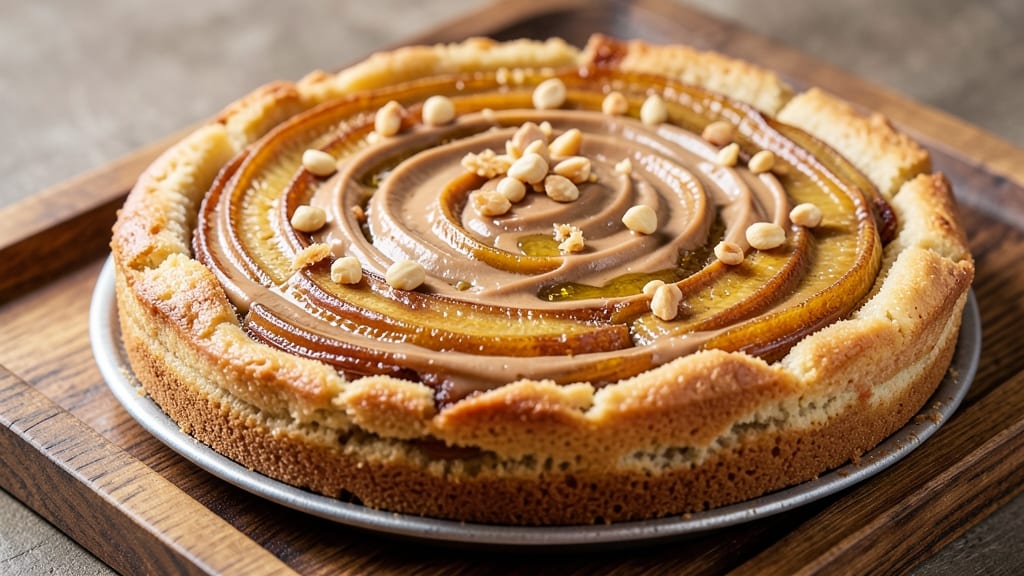
This banana cake recipe Nigeria brings the rich flavors of West Africa to your kitchen with its signature sweet plantain swirl and nutty groundnut crunch. ✨ I first discovered this recipe during a visit to my aunt's home in Lagos, where she perfected the art of blending ripe plantains with just the right amount of ginger and nutmeg—a combination that creates a cake with deep, aromatic notes and a moist, tender crumb.
The secret to achieving that authentic Nigerian texture lies in using ripe plantains as the base, which adds natural sweetness and a tender bite. The groundnut (peanut) crunch layer, made from crushed roasted peanuts, provides a delightful contrast to the soft cake. This recipe also incorporates traditional spices like nutmeg and ginger, which are essential for that warm, spiced flavor profile that makes this cake so distinctive.
What makes this cake truly special is its versatility—it's perfect for celebrations, family gatherings, or even a cozy afternoon treat. The plantains caramelize beautifully, creating pockets of sweetness throughout, while the groundnut layer adds a satisfying crunch that balances the cake's softness. Pair it with a cup of strong Nigerian tea or a refreshing fruit cocktail for an experience that feels like a taste of home.
With just a few simple ingredients and a bit of patience, you'll have a cake that's rich, flavorful, and impossible to resist. The key is letting the plantains ripen fully before using them, as this ensures the perfect sweetness and texture. Let's get started on creating this delicious slice of Nigerian tradition!
Ingredients for banana cake recipe nigeria
These West African staples transform into a moist, nutty-sweet cake with a signature caramelized plantain swirl.
| Ingredient | Amount | Notes |
|---|---|---|
| Ripe Plantains 🍌 | 4 whole | Yellow with black spots, peeled and sliced |
| All-Purpose Flour 🌾 | 2 ½ cups | Sifted, for light texture |
| Groundnuts (Peanuts) 🥜 | 1 ½ cups | Roasted, finely ground |
| Granulated Sugar 🍚 | 1 ½ cups | Light brown preferred |
| Palm Oil (or Vegetable Oil) 🫒 | 1 cup | Melted, for richness |
| Large Eggs 🥚 | 2 whole | Room temperature |
| Baking Powder 🧂 | 2 tsp | Double-acting preferred |
| Ground Nutmeg 🌿 | 1 tsp | Freshly grated for warmth |
| Ground Ginger 🌶️ | 1 ½ tsp | Freshly ground preferred |
| Salt 🧂 | ½ tsp | Fine sea salt |
| Vanilla Extract 🌸 | 1 tbsp | Pure extract preferred |
| Milk (or Plant-Based Milk) 🥛 | ½ cup | Warm for better mixing |
| Unsalted Butter 🧈 | ½ cup | Melted, for greasing |
The plantains are non-negotiable—look for deep yellow with black spots at your local African market or Latin grocery. African & Caribbean Foods or Whole Foods carry them year-round. Groundnuts should be roasted and fresh-ground for maximum crunch; store-bought peanut butter won't cut it here. Palm oil adds that signature richness, but vegetable oil works in a pinch. For the nutmeg and ginger, Penzeys Spices sells pre-ground versions, but whole spices toasted and ground yourself deliver superior flavor. The baking powder must be double-acting—single-acting won't provide the lift needed for that tender crumb.
No ripe plantains? Substitute with 3 very ripe bananas, but expect a slightly denser texture. Groundnuts unavailable? Toasted pecans or walnuts work, though the flavor won't be identical. Palm oil hard to find? Coconut oil or extra-virgin olive oil maintain the richness, though coconut adds a subtle tropical note. For the milk, any dairy or plant-based milk works—just ensure it's warmed to room temperature before mixing. The vanilla extract can be imitation-free, but pure extract elevates the flavor profile. If you're baking at high altitude, reduce the baking powder by 1/4 tsp to prevent over-rising.
Store the cake in an airtight container at room temperature for up to 3 days—it only gets better as the plantain swirl caramelizes further. For longer storage, wrap tightly in plastic and refrigerate for up to 1 week. The groundnut topping stays crisp for 2 days at room temperature if kept sealed. To reheat, warm slices in a 200°F oven for 5-10 minutes—this reactivates the plantain's natural sugars for that restaurant-quality finish. Freeze portions for up to 3 months by wrapping individually in parchment.
Why You'll Love This Recipe
- No-Fuss Mix-In: I swear by this recipe—just mash the plantains, fold in the dry ingredients, and bake. The groundnuts add crunch without extra prep, and the palm oil keeps it moist. Honestly, I’ve made it with my eyes closed (and once while talking on the phone).
- Sweet-Savory Magic: That caramelized plantain flavor? It’s like dessert and snack rolled into one. The sugar balances the earthy sweetness of the ripe plantains, while the peanuts give it this irresistible texture—creamy, crunchy, and just slightly chewy.
- Party or Pantry: Serve it warm with tea for a lazy Sunday, or cut into squares for office snacks. Between us, it’s my go-to for birthdays or when unexpected guests show up. (Yes, even on a Tuesday night.)
- Budget-Buster Win: Plantains stay cheap, flour’s a staple, and peanuts stretch further than most cake ingredients. Plus, it keeps for days—perfect for meal prep or when you’re not sure how many mouths to feed. My secret weapon for stretching groceries without sacrificing flavor.
Step-by-step instructions for sweet plantain swirl cake
Master this rich plantain cake with its signature nutty groundnut swirl and moist texture.
Prepare the Plantain Filling
Preheat your oven to 350°F and grease an 8-inch round cake pan with the 0.5 cup melted unsalted butter. Line the bottom with parchment paper for easy removal. In a small saucepan, combine the 4 whole ripe plantains (peeled and sliced) with 0.5 cup milk and 0.5 cup granulated sugar. Cook over medium heat for 5-7 minutes, stirring occasionally, until the plantains soften and the mixture thickens slightly. Remove from heat and let cool completely.
While the plantain mixture cools, toast the 1.5 cups groundnuts (peanuts) in a dry skillet over medium heat for 3-4 minutes until fragrant. Transfer to a bowl and let cool, then grind finely using a food processor or mortar and pestle. This nutty crunch will be the star of your cake's swirl.
Mix the Cake Batter
In a large mixing bowl, combine the 2.5 cups all-purpose flour, 1.5 cups granulated sugar, 2 tsp baking powder, 1 tsp ground nutmeg, 1.5 tsp ground ginger, and 0.5 tsp salt. Sift the dry ingredients together to aerate the flour and ensure even distribution of spices.
In a separate bowl, whisk together the 2 whole large eggs (room temperature), 1 cup palm oil (or vegetable oil), 1 tbsp vanilla extract, and the cooled plantain mixture. Gradually pour the wet ingredients into the dry ingredients while mixing on low speed until just combined. Avoid overmixing—you want a smooth, thick batter with no dry spots. The batter should be like a thick pudding but still pourable.
Layer and Swirl the Cake
Pour half of the batter into the prepared cake pan and spread evenly. Sprinkle half of the groundnuts over the batter, pressing lightly to distribute. Drop spoonfuls of the plantain filling evenly over the nuts, then gently swirl with a knife to create marbled patterns. Pour the remaining batter over the filling and swirl again to create a beautiful nutty plantain design throughout.
Sprinkle the remaining groundnuts on top, pressing lightly to adhere. Bake in the preheated oven for 45-50 minutes, or until a toothpick inserted into the center comes out clean. The cake should have a golden-brown top with a slightly domed center—this indicates it's fully cooked.
Cool and Serve
Remove the cake from the oven and let it cool in the pan for 10 minutes. Then transfer to a wire rack to cool completely before slicing. The contrast of the moist plantain filling and nutty swirls will be most apparent when the cake has fully set.
For best results, serve at room temperature. The cake's rich texture comes from the plantains and palm oil, while the groundnuts add a satisfying crunch. Store leftovers in an airtight container for up to 3 days, or refrigerate for up to 5 days. Enjoy with a cup of strong tea or coffee for the perfect Nigerian treat.
Pro Tips For Making Banana Cake Recipe Nigeria
- Boil Plantains Until Tender: Don’t rush this step—ripe plantains should collapse easily when pierced with a knife. I learned this the hard way after serving a batch with slightly undercooked plantains that tasted gummy instead of creamy. Aim for 15-20 minutes in boiling water, then mash while still hot for the smoothest texture.
- Toast Groundnuts Low and Slow: Skip the high heat—groundnuts burn faster than you’d think. Toast them in a dry pan over medium-low for 5-7 minutes, stirring constantly, until they’re golden and fragrant. This prevents bitterness and ensures they add richness, not harshness, to the cake’s crumb.
- Mix Dry Ingredients First: Combine flour, sugar, and baking powder before adding wet ingredients. This avoids lumps and guarantees even distribution of leavening agents. I used to add the flour last-minute, and my cakes always turned out dense—now they’re light and airy.
- Use Warm Palm Oil: Cold palm oil (or vegetable oil) blends unevenly with mashed plantains, creating greasy pockets. Heat the oil slightly until it’s just warm to the touch—it integrates smoothly and keeps the cake moist without making it heavy. (Yes, even if you’re impatient like me.)
Troubleshooting your banana cake recipe nigeria
Plantains Too Firm
If your plantains aren't soft enough after baking, they likely weren't ripe enough to start. Look for plantains with deep black spots—these indicate perfect ripeness. If you accidentally grab underripe ones, simmer them in the plantain mixture for an extra 5-7 minutes to break down their starches. I’ve even microwaved stubborn plantains for 2 minutes in a bowl covered with a damp paper towel to jumpstart the softening process. 🍌
Cake Too Dense
Overmixing the batter is the usual culprit here. Once you’ve incorporated all ingredients, stop mixing immediately—just combine until no dry flour remains. For extra tenderness, sift your all-purpose flour before measuring, and avoid packing it down in the cup. If your cake still turns out dense, try folding in 2 tbsp whipped egg whites at the end for a lighter texture. I learned this trick from a Lagos baker who swore by it for extra fluffiness.
Swirl Not Visible
The key to those gorgeous plantain swirls is patience and technique. After adding the first layer of batter, use a long knife or offset spatula to create wide, shallow grooves in the batter before adding the plantain filling. This helps the filling sink in and creates more pronounced swirls. If your swirls disappear during baking, try pressing the filling down slightly with the back of a spoon before adding the second batter layer. The heat will help the colors meld beautifully.
Groundnuts Too Dry
Freshly ground, toasted groundnuts should have a slight sheen from their natural oils—if yours look powdery, they’ve lost moisture. Toast them just until fragrant (3-4 minutes) and let them cool completely before grinding. Store-bought peanut butter won’t work because it’s too processed. For extra crunch, mix 1 tbsp honey into the groundnuts before baking—they’ll stay crisp longer and add subtle sweetness. I keep a small batch of toasted groundnuts on hand for all my West African baking projects.
Cake Sticking to Pan
Even with greased pans, plantain cakes sometimes cling due to their high moisture content. Line your pan with parchment paper cut to fit snugly, then grease the paper lightly. For extra insurance, dust the pan with 1 tbsp all-purpose flour after greasing. If the cake still sticks, run a thin knife around the edges while the cake is still warm—this helps release it cleanly. I’ve even used a silicon baking mat for foolproof results, though it’s not traditional.
Burnt Top Layer
This usually happens if your oven runs hot or the cake dries out too quickly. Cover the top with a loose piece of aluminum foil after 30 minutes of baking to protect it while allowing steam to escape. For even baking, rotate the pan halfway through the cooking time. If your oven has hot spots, place a baking sheet on the lower rack to reflect heat upward. I’ve also had success with a water bath—place the cake pan inside a larger roasting pan filled with 1 inch of hot water for extra moisture during baking. 🔥
Nutrition facts
Frequently asked questions
Can I substitute ripe bananas for plantains in this recipe?
Yes, but expect a slightly different texture. Use 3 very ripe bananas (mashed) instead of the plantains, and reduce the sugar by 2 tablespoons since bananas are naturally sweeter. The cake will be denser but still delicious—great for when plantains aren't available!
Why does this cake need palm oil? Can I use something else?
Palm oil adds that signature rich, slightly nutty flavor and moisture. For substitutes, try vegetable oil or coconut oil (for a tropical twist), but use the same amount. If you're avoiding palm oil, extra-virgin olive oil works too, though it has a distinct taste. The key is maintaining the cake's tender crumb!
How do I know when the plantains are ripe enough?
Look for plantains with deep yellow skin and black spots—these indicate perfect ripeness. The blacker the spots, the sweeter and softer they'll be. If you can't find ripe plantains, you can speed up ripening by placing them in a paper bag with a banana for 1-2 days. Never use green plantains—they're too starchy and won't caramelize properly.
Can I make this cake gluten-free?
Replace the 2.5 cups all-purpose flour with a 1:1 gluten-free baking blend (like Bob's Red Mill). For best results, add 1 extra teaspoon of baking powder to help with lift. The texture will be slightly different but still moist and delicious. Test your blend first in a small batch to ensure it works with the plantain mixture.
What's the best way to serve this cake in Nigeria?
In Nigeria, this cake is often served at celebrations like weddings, birthdays, or holiday gatherings. Pair it with strong Nigerian tea (like bitter kola-infused tea) or a refreshing zobo drink (hibiscus tea). For a festive touch, dust the slices with powdered sugar or serve with a dollop of whipped cream. It's also popular as a dessert after meals like jollof rice or egusi soup!