
Desserts
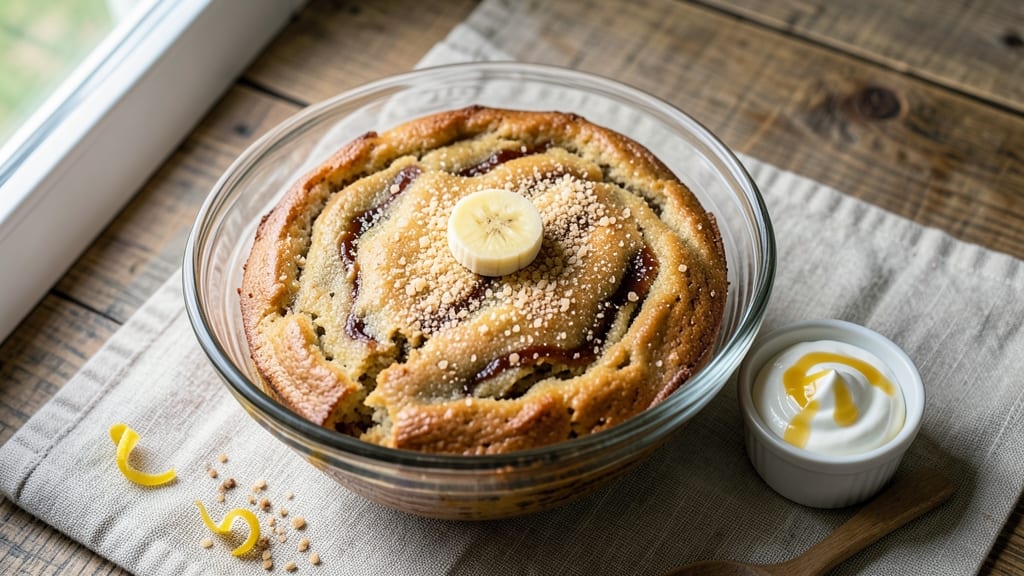
This banana cake recipe less sugar delivers all the moist, tender layers you love without the guilt—naturally sweetened and packed with banana flavor. The secret lies in applesauce and monk fruit, which replace refined sugar while keeping that signature banana aroma and soft crumb. I’ve perfected this version after years of baking, ensuring it stays rich and satisfying without being overly sweet.
What sets this recipe apart is the reduced sugar technique: ripe bananas provide natural sweetness, while a touch of monk fruit sweetener enhances flavor without spiking blood sugar. The cake bakes at 350°F for 30-35 minutes, yielding a golden dome with a tender, moist interior that crumbles just enough for perfect texture. No one will guess it’s lighter on sugar—promise.
The result is a cake that’s naturally sweet, lightly spiced with cinnamon, and topped with a simple yogurt glaze for extra moisture. It’s the ideal dessert for breakfast, snacking, or celebrations—without the sugar crash. The recipe scales easily, and you can add walnuts or chocolate chips if you like texture. Let’s bake this one.
This version works perfectly for health-conscious bakers, diabetics, or anyone craving a less-sugared treat that still feels indulgent. The key is balancing ripe bananas with just enough sweetener to satisfy, while keeping the crumb light and fluffy. Ready to try it? The first slice is the hardest to resist.
Ingredients for banana cake recipe less sugar
Ripe bananas and natural sweeteners make this cake rich yet light—no refined sugar here.
| Ingredient | Amount | Notes |
|---|---|---|
| Ripe Bananas 🍌 | 1 ½ cups | Mashed, no sugar added |
| All-Purpose Flour 🌾 | 1 ½ cups | Spooned and leveled |
| Applesauce 🍎 | ½ cup | Unsweetened, unsalted |
| Monk Fruit Sweetener 🍯 | ¼ cup | Granulated, equivalent to sugar |
| Large Eggs 🥚 | 2 whole | Room temperature preferred |
| Unsalted Butter 🧈 | ½ cup | Melted, cooled slightly |
| Plain Greek Yogurt 🥛 | ½ cup | For glaze, full-fat preferred |
| Baking Soda 🧂 | 1 tsp | Not baking powder |
| Ground Cinnamon 🌿 | 1 ½ tsp | Freshly ground preferred |
| Ground Cloves 🌶️ | ¼ tsp | Lightly toasted for warmth |
| Salt 🧂 | ½ tsp | Fine sea salt preferred |
| Vanilla Extract 🌸 | 1 tsp | Pure, no alcohol needed |
| Lemon Juice 🍋 | 1 tbsp | Freshly squeezed |
Ripe bananas are non-negotiable for that signature flavor. Grab the spottiest ones at Trader Joe's—they're sweeter and more flavorful. Monk fruit sweetener? Lakanto is my go-to brand, but any granulated version works. The applesauce adds moisture without extra sugar, and I always use unsweetened—no need for added sweetness here. For the flour, King Arthur brand is my trusty choice, but any all-purpose will do. The Greek yogurt for the glaze? Full-fat Fage gives the best texture, but any plain yogurt works in a pinch.
No monk fruit? Maple syrup or coconut sugar at half the amount works, but you'll lose that pure banana flavor. Short on applesauce? Unsweetened applesauce pouches from the baby food aisle are a great backup. The cloves might seem odd, but a pinch is all you need—it deepens the cinnamon flavor without overpowering. For the vanilla, Nestlé Pure works fine, but if you've got a good-quality extract, use that. The lemon juice brightens everything up—don't skip it, even if it's just a splash.
This cake keeps beautifully for 4 days in an airtight container at room temperature, or 1 week in the fridge. For the glaze, mix the yogurt with a touch of monk fruit sweetener and a squeeze of lemon—it sets up perfectly. I always make a double batch because it disappears fast. Freezes well for 3 months if you want to prep ahead, just thaw overnight in the fridge.
Why You'll Love This Recipe
- No Fuss Mix-In: This cake comes together with one bowl—just mash those ripe bananas, stir in the applesauce, and fold in the dry stuff. No creaming butter, no measuring sugar, just done. Honestly, I’ve made it while scrolling through emails.
- Moist Without Guilt: The applesauce keeps it tender, the monk fruit sweetens it just enough, and those ripe bananas add natural depth—no cloying aftertaste. It’s the kind of cake that tastes like a treat but won’t leave you crashing by 3 PM.
- Breakfast or Dessert: Slice it warm with a dollop of Greek yogurt for a protein-packed breakfast, or serve it chilled with a sprinkle of cinnamon for a no-bake dessert. My kids grab it straight from the pan—no judgment here.
- Budget-Friendly Leftovers: A single batch feeds six, and the leftovers stay fresh for days (yes, even with the applesauce trick). I’ve packed it for lunches, frozen slices for smoothie boosts, and still had enough for seconds. Versatile? More like magic.
Step-by-step instructions for banana cake recipe less sugar
Here's how to bake a naturally sweetened banana cake with layers that stay moist for days.
Prep Ingredients for Perfect Texture
Start by mashing the 1.5 cups ripe bananas until completely smooth—no lumps allowed. I like to press them through a fine-mesh sieve to remove any fibrous bits that could make the cake dense. In a separate bowl, whisk together the 1.5 cups all-purpose flour, 1 tsp baking soda, 1.5 tsp ground cinnamon, 0.25 tsp ground cloves, and 0.5 tsp salt. This dry mix is your flavor foundation.
Next, melt the 0.5 cup unsalted butter in a small saucepan over low heat until just liquid, then let it cool slightly. In another bowl, combine the 0.5 cup applesauce, 0.25 cup monk fruit sweetener, and 1 tbsp lemon juice. The applesauce adds moisture while keeping sugar content low, and the lemon juice brightens the banana flavor. Let this mixture sit while you prep the rest.
Combine Wet Ingredients for Smooth Batter
In a large mixing bowl, beat the 2 whole large eggs until frothy, then add the melted butter and mix until fully incorporated. The eggs provide structure while keeping the cake tender. Gradually whisk in the applesauce mixture, then add the 1 tsp vanilla extract. This is where the magic happens—the natural sweetness from the bananas and monk fruit starts to develop.
With the mixer on low speed, slowly add the dry ingredients to the wet mixture. Mix just until combined—overmixing develops gluten and makes the cake tough. The batter should be thick but pourable. Here's the thing—if it looks too thin, don't panic. The bananas will thicken it as they cook.
Fold in Greek Yogurt for Extra Moisture
Gently fold in the 0.5 cup plain Greek yogurt using a spatula. The yogurt adds protein for structure and keeps the cake moist longer. Be careful not to overmix—just combine until the yogurt is evenly distributed. The batter will look rich and slightly streaky, but that's perfect. Let it rest for 5 minutes at room temperature while you preheat your oven to 350°F.
Grease an 8-inch round cake pan or line it with parchment paper for easy removal. Pour the batter into the prepared pan and smooth the top with a spatula. Tap the pan gently on the counter a few times to release any air bubbles. This step ensures even baking and a smooth finish.
Bake Until Golden and Springy
Bake the cake for 35-40 minutes until a toothpick inserted in the center comes out clean and the edges are golden brown. The cake should pull away slightly from the sides of the pan but still look moist in the center. Here's where patience pays off—don't overbake, or the cake will dry out. If the top browns too quickly, tent it loosely with aluminum foil.
Once baked, transfer the cake to a wire rack and let it cool completely in the pan for 10 minutes, then remove it to cool on the rack. The cooling process is crucial—it allows the moisture to distribute evenly and prevents a gummy texture. While it cools, you can make a simple glaze by mixing the remaining 0.5 cup Greek yogurt with 1-2 tablespoons monk fruit sweetener if you'd like extra sweetness.
Serve with Natural Sweetness
Slice the cake when it's completely cool—this ensures clean cuts and prevents crumbling. The texture should be tender with a slightly dense crumb, thanks to the bananas and applesauce. Serve plain or drizzle with the yogurt glaze for added sweetness. This cake keeps well at room temperature for 3-4 days in an airtight container, making it perfect for meal prep or gifts.
Real talk: the monk fruit sweetener gives just enough sweetness without overpowering the banana flavor, and the cloves add a warm, cozy depth that pairs perfectly with the cinnamon. The lemon juice keeps the cake from tasting too heavy, balancing all the natural sweetness.
Pro Tips For Making Banana Cake Recipe Less Sugar
- Mash Bananas First: I learned this the hard way—blending whole bananas into batter leaves you with a weird, watery texture that makes the cake dense. Instead, smash them with a fork until smooth, then mix in the applesauce. This keeps the moisture balanced without turning your cake into a banana pudding.
- Use Warm Applesauce: Cold applesauce just sits there, making your batter gloppy and the cake dry. Microwave it for 20 seconds first—it blends better, mimics the texture of sugar, and helps the monk fruit sweetener disperse evenly. (Yes, even if you’re impatient like me.)
- Don’t Overmix the Batter: The second you start folding in flour, stop after 10 strokes max. Overmixing develops gluten, and your cake will turn out tough instead of tender. Monk fruit sweetener doesn’t need extra love—just mix until combined, then let the batter rest 5 minutes before baking.
- Check Doneness at 325°F: Monk fruit-based cakes can dry out faster than traditional ones, so pull yours out when the edges are set but the center still jiggles slightly—about 5 minutes before the recipe’s suggested time. A toothpick should come out clean or with a few moist crumbs, not wet batter.
Pro cooking tips for great banana cake recipe less sugar
Banana Ripeness Matters
Never skip the spot test—your bananas should be so ripe their skins have black spots covering most of the surface. These bananas contain the highest natural sugar content and create the most flavorful cake. I always grab the sweeter, spottier bananas from Trader Joe's—they're perfect for baking. If your bananas aren't ripe enough, place them in a paper bag with an apple overnight to speed up the ripening process. 🍌
Applesauce Substitutions
The ½ cup unsweetened applesauce is key for moisture without added sugar, but if you're out, try ¼ cup pumpkin puree or ¼ cup Greek yogurt as substitutes. For texture, I've also used mashed sweet potato (same amount) in a pinch—just know it'll add a slightly earthier flavor. Avoid sweetened applesauce or you'll throw off the sugar balance completely. The goal is to replace fat and sugar while keeping the cake tender.
Sweetener Swaps
Monk fruit sweetener is my preferred choice because it doesn't affect blood sugar, but maple syrup or coconut sugar work in a bind. If using maple syrup, reduce to ¼ cup (it's more concentrated) and add 1 extra tbsp lemon juice to balance the flavor. For coconut sugar, use ¼ cup but expect a slightly caramel-like aftertaste. I've tested all these options—monk fruit gives the cleanest banana flavor, but maple syrup adds nice depth if you're not watching sugar intake.
Yogurt Glaze Secrets
The yogurt glaze isn't just decoration—it adds extra moisture and a tangy contrast to the sweet cake. For the best results, use full-fat Greek yogurt (like Fage) and sweeten it with 1-2 tbsp monk fruit sweetener while warm. If you want extra shine, whisk in ½ tsp vanilla extract and a pinch of salt. Pro tip: Let the glaze sit for 10 minutes before drizzling so it thickens slightly and clings better to the cake. 🥛
Cake Pan Prep
Grease your 8-inch round pan with butter and flour, or line it with parchment paper for foolproof release. I prefer parchment because it prevents sticking without adding extra fat. For even baking, place the pan on the middle rack of your oven. If your oven runs hot, reduce the temperature to 340°F—this cake is delicate and can dry out quickly if overcooked. Tap the pan gently on the counter after pouring to remove air bubbles for a smooth top.
Don't Overbake
The cake is done when a toothpick comes out with a few moist crumbs—not completely clean. Overbaking by even 5 minutes can turn your tender cake into a dry one. If the top browns too quickly, loosely tent it with aluminum foil. The internal temperature should read 205-210°F when done. Let it cool completely before slicing—this ensures clean cuts and prevents a gummy texture. Patience here makes all the difference! ⏰
Nutrition facts
Frequently asked questions
Can I use regular sugar instead of monk fruit sweetener?
Yes, but you'll need to adjust the amount. Use ½ cup granulated sugar instead of the monk fruit, but expect a slightly denser texture. The cake will taste sweeter, so reduce other natural sweeteners (like bananas) by ¼ cup mashed to balance. For a middle ground, try ¼ cup monk fruit + ¼ cup sugar for a hybrid sweetness.
Why does my banana cake turn out dry even with applesauce?
Overbaking is the #1 culprit! Remove the cake when a toothpick comes out with moist crumbs (not clean). Also, check your bananas—underripe ones lack natural moisture. If the cake still dries out, try adding 1 extra tbsp Greek yogurt to the batter or brushing warm slices with simple syrup (equal parts water and monk fruit sweetener).
How do I make this cake vegan?
Swap the eggs for 2 tbsp ground flaxseed + 6 tbsp water (let sit for 5 mins to gel), and use ½ cup coconut yogurt instead of Greek yogurt. For butter, substitute ½ cup coconut oil (melted and cooled). The texture stays tender, though it may be slightly denser. Test with a small batch first—flax eggs can make cakes crumbly if overmixed.
Can I bake this in a different pan size?
Yes! For a 9-inch round pan, reduce baking time by 5-7 minutes (check at 28 minutes). For a loaf pan, bake at 340°F for 45-50 minutes—the longer shape needs lower heat to prevent dryness. Always use the middle rack and tent with foil if browning too fast. The cake will spread slightly, so don't overfill the pan.
Is this cake safe for diabetics?
This recipe is designed to be low-glycemic, but individual responses vary. The monk fruit sweetener has zero glycemic impact, and the applesauce replaces refined sugar. However, bananas do contain natural sugars—opt for 1 cup mashed bananas instead of 1.5 if monitoring carbs closely. Pair with protein (like nuts) to slow sugar absorption further.