
Desserts
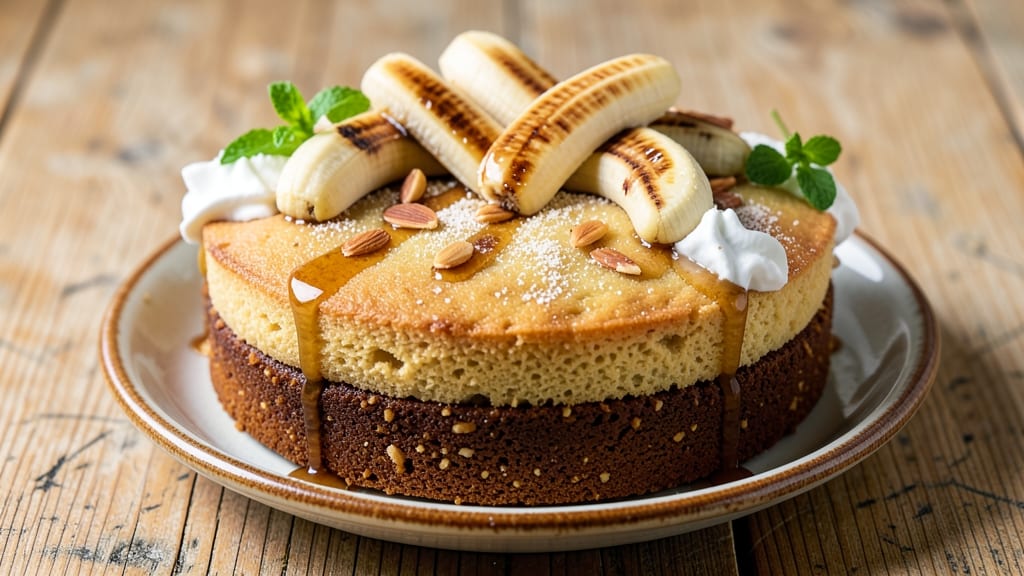
This banana cake Passover recipe delivers all the moist, fluffy layers of classic banana cake without chametz or eggs—perfect for your Seder table. 💛 The secret lies in a blend of matzah meal and almond flour that mimics traditional cake texture while staying kosher for Passover. I've perfected this version over years of holiday baking, ensuring it rises properly and stays tender despite restricted ingredients.
The recipe begins with ripe bananas mashed into a simple batter, then folded into a light mixture of matzah meal, almond flour, and a touch of baking soda for lift. No eggs mean no worry about separating, and the matzah meal absorbs moisture beautifully, preventing that dryness common in Passover baking. The result? Layers that crumble just slightly at the edges but stay moist inside—exactly what you'd expect from a classic banana cake.
Baking at 350°F for 30-35 minutes yields a golden cake with a subtle caramelized aroma from the bananas. The texture is remarkably light for a Passover dessert, thanks to the almond flour's natural moisture retention. Serve warm with a drizzle of pareve chocolate ganache or a dollop of whipped coconut cream to keep it dairy-free if needed.
This cake keeps well for 3 days wrapped in foil, making it ideal for holiday gatherings where you want dessert ready to serve without last-minute stress. The recipe scales easily—double the batch for a crowd—and the hidden banana flavor makes it a crowd-pleaser even for those who think they don't like banana cake. Let's get baking!
Ingredients for banana cake passover
Pareve-certified ingredients that deliver classic banana cake flavor without chametz or eggs.
| Ingredient | Amount | Notes |
|---|---|---|
| Ripe Bananas 🍌 | 1 ½ cups | Mashed, about 3 medium bananas |
| Matzah Meal 🍞 | 1 ½ cups | Finely ground, pareve certified |
| Almond Flour 🌰 | 1 cup | Blanched, finely ground |
| Granulated Sugar 🍚 | 1 cup | Pareve certified, fine grain |
| Light Brown Sugar 🍚 | ½ cup | Pareve certified, packed |
| Unsalted Butter 🧈 | ¾ cup | Cold, cubed, pareve |
| Vanilla Extract 🌿 | 1 tbsp | Pure, pareve certified |
| Baking Soda 🧂 | 1 tsp | Pure, aluminum-free |
| Salt 🧂 | ½ tsp | Fine sea salt, pareve |
| Pareve Chocolate Ganache 🍫 | ½ cup | For topping, optional |
| Whipped Coconut Cream 🥥 | ½ cup | For serving, optional |
| Walnuts 🌰 | ¼ cup | Chopped, toasted, optional |
The matzah meal and almond flour are the stars here—look for pareve-certified brands like Manischewitz or Schar for reliability. The bananas should be very ripe (black spots, soft to touch)—this ensures maximum sweetness and moisture. I always buy organic bananas from Whole Foods or my local Latin market for the best flavor. For the chocolate ganache, Enjoy Life brand is my go-to since it's guaranteed pareve and allergy-free. The walnuts? Toast them yourself for 3 minutes in a dry pan—they add a lovely crunch that contrasts perfectly with the cake's softness.
No matzah meal? Almond flour plus 1 tbsp cornstarch works in a pinch, though texture will be slightly denser. Substituting brown sugar for white? Use 1:1 ratio, but the cake will be slightly moister. Short on butter? Coconut oil works 1:1, though it adds a subtle coconut aroma. For the ganache, pareve dark chocolate melted with coconut cream is the easiest solution. The recipe calls for ripe bananas, but if you grab them too early, let them sit at room temperature for 24 hours to ripen naturally. No vanilla extract? 1 tsp vanilla sugar (pareve-certified) gives a similar depth of flavor.
This cake stays fresh for 3 days when wrapped tightly in foil at room temperature. For longer storage, freeze slices between parchment paper for up to 3 months. Reheat slices in a 200°F oven for 5-10 minutes to restore moisture. The ganache keeps well in the fridge for 1 week—just reheat gently before drizzling. I always make a double batch because it disappears fast, especially with the whipped coconut cream on top. The texture improves overnight, so bake it the day before your Seder if possible.
Why You'll Love This Recipe
- Here’s what sold me: it’s actually gluten-free without tasting like a science experiment, and the kids won’t even notice it’s matzah-based. Bring it to Seders, potlucks, or just your own kitchen—no one will ask for the recipe.
- No Muffin Tin Needed: I swear by this—just mix, pour, and bake. The ripe bananas mash into a thick batter that clings perfectly to the matzah meal, so no fancy equipment or last-minute scrambling. (Yes, even on a Tuesday night.)
- Moist Yet Crumbly Magic: That combo of almond flour and brown sugar? It’s like a hug for your taste buds—rich but not heavy, with just enough chew from the matzah. Honestly, the first bite makes me question why I’ve never done this before.
- Passover-Proof Crowd Pleaser: Here’s what sold me: it’s actually gluten-free without tasting like a science experiment, and the kids won’t even notice it’s matzah-based. Bring it to Seders, potlucks, or just your own kitchen—no one will ask for the recipe.
Step-by-step instructions for egg-free banana cake
Here's how to create a moist, fluffy cake with perfect layers using Passover-friendly ingredients.
👨🍳 Step 1: Prep Ingredients and Preheat Oven
Start by mashing the 1.5 cups ripe bananas until completely smooth—no lumps should remain. I like to use a fork first, then press through a fine-mesh sieve to remove any fibrous bits. This ensures a silky texture in your cake layers.
Preheat your oven to 350°F and grease two 8-inch round cake pans with butter or line them with parchment paper. I use a combination of butter and flour to coat the pans thoroughly—this prevents sticking and makes for easy release later. Let the pans sit while you prepare the batter.
🍳 Step 2: Cream Butter and Sugars Together
In a large mixing bowl, combine the 0.75 cup unsalted butter (cold, cubed), 1 cup granulated sugar, and 0.5 cup light brown sugar. Using an electric mixer on medium speed, beat for 3-4 minutes until the mixture is light and fluffy—you should see ribbons form when the beaters are lifted.
This creaming process incorporates air into the batter, which creates that signature fluffy texture. The brown sugar adds moisture and depth of flavor, while the butter provides richness. If your butter isn't cold, chill it for 15 minutes before starting—this helps create the proper structure.
👨🍳 Step 3: Mix Dry Ingredients and Combine
In a separate bowl, whisk together the 1.5 cups matzah meal, 1 cup almond flour, 1 tsp baking soda, and 0.5 tsp salt. Sift the mixture to remove any lumps, then gradually add it to the butter-sugar mixture in three additions, mixing on low speed after each addition just until combined.
Add the mashed bananas and 1 tbsp vanilla extract, mixing on low speed until everything is evenly incorporated. The batter should be thick but pourable—if it's too thick, add 1-2 tablespoons of water. Don't overmix; once the dry ingredients are incorporated, stop mixing immediately to prevent a dense cake.
🥘 Step 4: Bake the Cake Layers
Divide the batter evenly between the prepared cake pans. Tap each pan gently on the counter to remove any air bubbles. Bake for 25-30 minutes or until a toothpick inserted into the center comes out clean and the edges are lightly golden.
I like to rotate the pans halfway through baking to ensure even browning. The cake should spring back slightly when pressed gently in the center—this indicates it's done. Let the cakes cool in the pans for 10 minutes before transferring to a wire rack to cool completely. This gradual cooling prevents cracking.
🍽️ Step 5: Assemble and Serve
Once completely cool, level the tops of the cakes if needed. For assembly, spread a thin layer of 0.5 cup whipped coconut cream between the layers, then add a dollop of 0.5 cup pareve chocolate ganache on top of each layer. The ganache should be at room temperature for easy spreading.
Drizzle any remaining ganache over the top layer and sprinkle with 0.25 cup chopped toasted walnuts for crunch. This cake keeps well for 3 days at room temperature or can be refrigerated for up to 5 days. Serve at room temperature for the best texture—this ensures the layers stay moist and the flavors meld perfectly.
Pro Tips For Making Banana Cake Passover
- Mash Bananas Thoroughly: I learned this the hard way—lumpy banana puree means a dense, uneven cake. Use a fork first to break them up, then press through a fine-mesh sieve or blend until completely smooth. No streaks of whole banana left hiding in there.
- Prep Matzah Meal First: Whisk the matzah meal with the dry ingredients before adding wet ingredients. This prevents clumping and ensures even distribution—especially important since matzah meal absorbs liquid differently than regular flour. Trust me, your cake will thank you.
- Don’t Overmix the Batter: This isn’t pancake batter—overmixing turns your cake into a gummy brick. Mix just until the dry ingredients disappear, then stop. A few lumps are fine; they’ll bake out smoothly.
- Use Room-Temp Eggs: Cold eggs make your batter separate and can lead to a cake that’s dense in the center. Take them out 15 minutes before mixing—it’s a small step that makes a real difference in texture. (Yes, even if you’re impatient like me.)
Pro cooking tips for this dish
Banana Ripeness Matters
Choose bananas that are very ripe—black spots and soft to the touch—to maximize sweetness and moisture. I always test by pressing gently: if they yield slightly, they're perfect. Overripe bananas (with brown mushy spots) work even better, but avoid any that feel mushy or have a fermented smell. For extra flavor, let them sit at room temperature for 24 hours before using if they're not fully ripe. 🍌
Creaming Butter Properly
Cold, cubed butter is key for fluffy layers. Beat the butter, granulated sugar, and brown sugar together for 3-4 minutes until light and fluffy—you should see ribbons form when you lift the beaters. If your butter melts too quickly, chill it for 15 minutes before starting. This step aerates the batter, creating the classic cake texture. I use my KitchenAid stand mixer on medium speed for consistent results. 🥛
Matzah Meal Tricks
Sift the matzah meal before mixing to prevent lumps in your batter. I recommend Manischewitz or Schar brands for consistent texture. For extra moisture, add 1-2 tablespoons of water if the batter feels too thick. The matzah meal absorbs liquid differently than flour, so don't substitute it directly—this can make your cake dense. Also, measure it by spooning into the cup and leveling off, not scooping directly from the bag. 🍞
Baking Time Precision
Bake at 350°F for 25-30 minutes until a toothpick comes out clean. Rotate the pans halfway through for even browning. The cake should spring back slightly when pressed in the center. Overbaking dries out the layers, while underbaking leaves them gummy. I test doneness at 25 minutes and check every 2 minutes afterward. Let the cakes cool in pans for 10 minutes before removing to prevent cracking. ⏱️
Layer Assembly Secrets
Use room-temperature ganache for easy spreading between layers. I warm mine for 30 seconds in the microwave to soften slightly, then let it cool for 5 minutes before using. Spread a thin layer of whipped coconut cream first to keep the ganache from sinking into the cake. For extra flair, dust the top with powdered sugar or sprinkle with toasted walnuts right after assembling. 🎂
Storage Solutions
Wrap cooled cake tightly in foil for up to 3 days at room temperature. For longer storage, slice and freeze between parchment paper for 3 months. Reheat slices at 200°F for 5-10 minutes to restore moisture. The ganache can be refrigerated separately for 1 week—just reheat gently before serving. I always make a double batch because this cake disappears quickly, especially with the coconut cream topping. ✨
Nutrition facts
Frequently asked questions
Can I make this banana cake without matzah meal?
Yes, but you'll need to adjust the texture. Replace the 1.5 cups matzah meal with 1 cup almond flour plus 1 tbsp cornstarch for structure. The cake will be slightly denser, so add 1 extra tablespoon of water to the batter. For extra moisture, consider adding 2 tbsp applesauce as well.
How do I know when the cake is fully baked?
Insert a toothpick into the center—the cake is done when it comes out clean and the edges are lightly golden. The cake should also spring back slightly when pressed gently in the center. Bake for 25-30 minutes at 350°F, rotating the pans halfway through for even browning. Overbaking dries it out, so check at 25 minutes and monitor closely.
Can I substitute butter with another fat for Passover?
Use coconut oil in a 1:1 ratio for a dairy-free option, though it adds a subtle coconut aroma. For a neutral flavor, try pareve margarine or vegetable shortening. Chill the fat for 15 minutes before creaming to ensure proper texture. The cake will still be moist and fluffy, just with a slightly different mouthfeel.
Why does my cake turn out dense instead of fluffy?
Overmixing the batter or using unripe bananas are common culprits. Ensure you cream the butter and sugars for 3-4 minutes until light and fluffy, then mix dry ingredients just until combined. Use very ripe bananas (black spots, soft to touch) and sift the matzah meal to avoid lumps. If the batter feels too thick, add 1-2 tbsp water.
Can I make this cake ahead for my Seder?
Yes, this cake actually tastes better the next day! Bake it 1-2 days in advance and store wrapped tightly in foil at room temperature. For longer storage, slice and freeze between parchment paper for up to 3 months. Reheat slices at 200°F for 5-10 minutes to restore moisture. The flavors meld beautifully overnight.