
Desserts
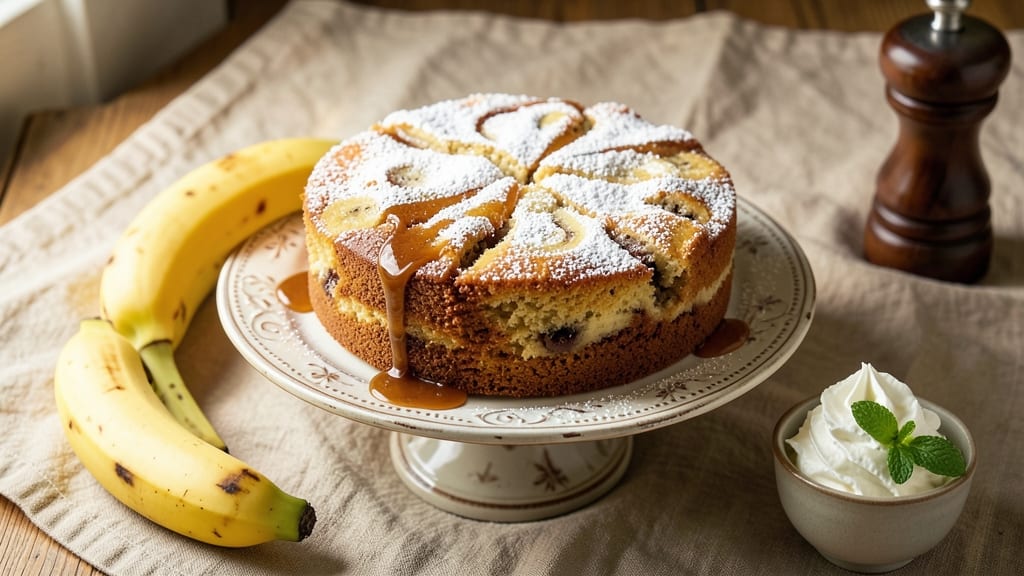
This banana blender cake recipe transforms overripe bananas into a foolproof, ultra-moist dessert that bakes up in one bowl with minimal effort. The secret lies in blending wet ingredients first—creating a velvety batter that absorbs the bananas' natural sweetness without drying out. I developed this recipe after struggling with dense banana bread, and the difference is night and day: tender layers instead of a compact loaf.
The beauty of this method is its simplicity: no sifting, no folding, just dump-and-blend. You'll start with ripe bananas (the spottier, the better) and work through a straightforward mix of flour, sugar, and leavening agents. The blender handles the heavy lifting, ensuring even distribution of ingredients for consistently moist crumb. Even beginners can achieve restaurant-quality texture with this approach.
What you'll end up with is cake that's rich, tender, and fragrant—the kind that stays moist for days and disappears faster than you can slice it. The blender technique eliminates lumps and creates a fine, airy batter that bakes into perfectly domed layers. Top with a simple cream cheese frosting or leave it as-is for a lighter finish. This recipe proves that homemade desserts don't require complicated techniques.
Perfect for brunch, potlucks, or satisfying a sweet craving, this cake adapts easily to dietary needs. Swap out butter for coconut oil for a vegan version, or add chocolate chips for extra indulgence. The possibilities are endless, but the base recipe remains the same: simple, reliable, and undeniably delicious. Let's get baking!
Ingredients for banana cake blender
These ripe bananas and simple pantry staples create ultra-moist layers with minimal effort.
| Ingredient | Amount | Notes |
|---|---|---|
| Ripe Bananas 🍌 | 3 medium | Overripe with brown spots |
| All-Purpose Flour 🌾 | 2 cups | Sifted for best texture |
| Granulated Sugar 🍚 | 1 ½ cups | Light brown sugar for depth |
| Large Eggs 🥚 | 2 whole | Room temperature for blending |
| Vegetable Oil 🫒 | ½ cup | Light or canola preferred |
| Baking Soda 🧂 | 1 tsp | Diamond Crystal preferred |
| Ground Cinnamon 🌿 | 1 tsp | Freshly ground for warmth |
| Salt 🧂 | ½ tsp | Fine sea salt preferred |
| Vanilla Extract 🍯 | 1 tsp | Pure Madagascar preferred |
| Unsalted Butter 🧈 | ½ cup | Melted for frosting option |
| Powdered Sugar 🍚 | 1 cup | For optional glaze |
| Milk 🥛 | ¼ cup | Whole for richness |
The bananas are the star—look for those with heavy brown speckling, as they pack the most natural sweetness. Trader Joe's and Whole Foods often have perfect ones in their produce section. The flour should be all-purpose, not self-rising—King Arthur or Gold Medal brands are my go-to for consistent results. Measure your flour by spooning it into the cup and leveling off; scooping directly from the bag packs it too tightly. For the sugar, light brown adds subtle caramel notes that complement the bananas beautifully, but granulated works in a pinch.
No ripe bananas? Substitute with 1 cup mashed sweet potato or 1.5 cups applesauce, though texture will differ slightly. Running short on eggs? Flax eggs (1 tbsp ground flaxseed + 3 tbsp water per egg) work well here, though the cake may be slightly denser. The vanilla extract matters—imitation extracts lack depth, so splurge on pure Madagascar or Tahitian. For a lighter texture, swap half the all-purpose flour for almond flour, though this reduces moisture retention slightly. The milk adds richness and helps bind the batter; oat milk works too if you prefer dairy-free.
Store any leftovers in an airtight container at room temperature for 2 days or refrigerate for 5 days. The cake actually improves overnight as the flavors meld. For longer storage, slice and freeze individual portions for up to 3 months. To reheat, wrap slices in a damp paper towel and microwave for 10-15 seconds—this restores moisture without making them soggy. The glaze can be made ahead and stored in the fridge for 1 week, simply drizzling over slices before serving.
Why You'll Love This Recipe
- I’ll be real: the ingredients are all things I already have lying around. A few overripe bananas? Perfect. A bag of flour? Check. Eggs and sugar? Always on hand. It’s the kind of recipe that turns random leftovers into something delicious without breaking the bank.
- Blender Magic: I swear by my trusty blender for this one—no sifting, no measuring cups, just toss in the bananas, flour, and sugar, then let the machine do the work. The batter comes together smoother than anything I’ve ever mixed by hand.
- No-Bake Secret Weapon: Honestly? This is my go-to when I’m too tired to turn on the oven. The ripe bananas add natural sweetness while keeping the texture moist, and the oil keeps it tender without needing extra butter. Just mix, pour, and bake—done.
- Breakfast or Dessert: Between us, this cake is ridiculously good for breakfast—slice it up, toast it, and slather with peanut butter. But serve it warm with a scoop of vanilla ice cream? Suddenly, it’s dessert. One recipe, two moods.
Step-by-step instructions for banana blender cake
This one-bowl method guarantees ultra-moist layers with minimal effort—no mixing bowls to clean.
Blend Wet Ingredients Until Silky
Place the 3 medium ripe bananas, 1.5 cups granulated sugar, 2 whole large eggs, 0.5 cup vegetable oil, 1 tsp vanilla extract, and 0.25 cup milk into a blender. Secure the lid and blend on high speed for 30-45 seconds until completely smooth. The mixture should be thick, creamy, and free of any banana chunks.
Here's the thing—overripe bananas with brown spots are key for moisture. Their natural sugars caramelize during baking, creating that signature tender crumb. If the mixture looks too thin after blending, let it sit for 5 minutes before proceeding; the flour will absorb the excess liquid perfectly when added.
Sift and Fold Dry Ingredients Gently
In a separate bowl, whisk together the 2 cups all-purpose flour, 1 tsp baking soda, 1 tsp ground cinnamon, and 0.5 tsp salt. Sifting the flour ensures no lumps form, which guarantees an even texture. Slowly pour this dry mixture into the blender with the wet ingredients while blending on low speed.
Blend only until just combined—about 10-15 seconds—to avoid developing gluten, which would make the cake dense. You're aiming for a thick, smooth batter that coats the back of a spoon. If it looks too thick, add 1 tablespoon of milk at a time until it reaches a pudding-like consistency. This step is where the magic happens for that ultra-moist result.
Bake in Prepared Pans for Even Rise
Preheat your oven to 350°F and generously grease two 8-inch round cake pans with 0.5 cup melted unsalted butter, then dust with flour. Divide the batter evenly between the pans. Tap each pan firmly on the counter 3-4 times to remove any air bubbles, then bake for 25-30 minutes or until a toothpick inserted in the center comes out clean.
Don't open the oven door during baking—this prevents the cakes from rising properly. The tops should be golden brown with a slight crack in the center, and the edges should pull away from the pan easily. If the oven runs hot, check at the 20-minute mark to avoid overbaking, which would dry out the cake.
Cool and Glaze for Professional Finish
Allow the cakes to cool in their pans for 10 minutes, then transfer to a wire rack to cool completely. While they cool, prepare the optional glaze by whisking together 1 cup powdered sugar and 2 tablespoons milk until smooth. Drizzle this over the cooled cakes for a sweet, glossy finish that adds visual appeal.
This cooling step is critical—rushing it can cause the cakes to crack or collapse. For even better moisture, I like to wrap the cooled cakes in plastic wrap and refrigerate for 1 hour before slicing. This ensures every bite stays tender and rich, with that perfect balance of banana sweetness and cinnamon warmth.
Pro Tips For Making Banana Cake Blender
- MASH THE BANANAS FIRST: I learned this the hard way—adding whole bananas to the blender with flour just creates a lumpy, uneven batter. Slice them first, then mash them with a fork until smooth. This ensures the cake turns out tender, not dense, and the flavor distributes evenly.
- WEIGH THE FLOUR (YES, REALLY): Scooping flour from the bag packs it too tightly, and that’s how you end up with a dry, crumbly cake. Use a kitchen scale for 200 grams—spoon it in lightly, then level it off. Trust me, your cake will thank you with a proper crumb.
- DON’T OVERMIX THE BATTER: The second you add the flour to the blender, stop mixing after 10 seconds. Overworking it develops gluten, and suddenly you’ve got a tough, bread-like cake instead of something light and moist. Just pulse until combined.
- BAKE UNTIL THE CENTER HITS 205°F: A toothpick test is unreliable here—banana cakes can look "done" but still be gummy inside. Use an instant-read thermometer. Pull it out when the center reaches 205°F, then let it cool 10 minutes. This guarantees a fully set cake that won’t sink later.
Best sauces and condiments for banana cake blender
Cream Cheese Frosting
This classic pairing elevates the cake with its tangy-sweet contrast. Whip together 8 oz cream cheese, ½ cup unsalted butter, 3 cups powdered sugar, and 1 tsp vanilla extract until smooth. Spread between layers or on top for a restaurant-worthy finish. For extra richness, fold in 1 tbsp lemon juice to balance the sweetness. 🍯
Banana Caramel Drizzle
Enhance the banana flavor with a homemade caramel drizzle. Cook ½ cup granulated sugar in a saucepan over medium heat until melted, then add 2 tbsp heavy cream and 1 tbsp mashed banana. Simmer for 3 minutes, then drizzle over cooled cake slices. This adds a warm, buttery depth that complements the cake's natural sweetness.
Spiced Maple Glaze
A fall-inspired glaze combines ½ cup maple syrup, 1 tsp cinnamon, and ½ tsp vanilla extract, simmered for 5 minutes. Strain and drizzle over cake layers. The maple's earthiness pairs beautifully with the banana's tropical notes, while cinnamon adds warmth. For extra flair, sprinkle with toasted pecans before serving.
Chocolate Ganache Swirl
For chocolate lovers, melt ½ cup dark chocolate chips with ¼ cup heavy cream over a double boiler. Once smooth, swirl into the cake batter before baking or drizzle over cooled layers. The ganache adds a luxurious contrast to the cake's tender crumb. For a lighter version, use white chocolate instead. 🍫
Lemon Curd Topping
Brighten the cake with homemade lemon curd. Cook 3 egg yolks, ½ cup sugar, ¼ cup lemon juice, and 2 tbsp butter until thickened. Spread a thin layer between cake layers or on top. The citrus acidity cuts through the richness, creating a refreshing balance. Store-bought curd works in a pinch, but homemade tastes infinitely better.
Nutrition facts
Frequently asked questions
Why does this recipe use a blender instead of mixing by hand?
The blender creates a silky-smooth batter that distributes the bananas' moisture evenly throughout, preventing dry spots. It also eliminates lumps from the flour and sugar, resulting in a lighter, more tender crumb than hand-mixing. The one-bowl method also saves cleanup time—just dump, blend, and bake!
Can I make this cake without ripe bananas?
Yes, but the texture will differ. Use 1 cup mashed sweet potato or 1.5 cups unsweetened applesauce for moisture, though the flavor won't be as banana-forward. For best results, stick with overripe bananas—their natural sugars caramelize beautifully during baking, creating that signature tender crumb.
How do I know when the cake is fully baked?
Insert a toothpick into the center—it should come out clean with just a few moist crumbs. The edges should pull away from the pan, and the top should be golden brown with a slight crack. Never rely on time alone; ovens vary! If unsure, check at 25 minutes and tent with foil if browning too quickly.
Can I substitute butter for oil in the recipe?
You can, but the texture may be slightly denser. Replace the 0.5 cup oil with 0.5 cup melted butter, cooled to room temperature. For a lighter cake, use ½ oil and ½ melted butter. The oil in this recipe keeps the cake ultra-moist, especially important when using whole wheat flour or almond flour substitutions.
Why does my cake taste raw or undercooked?
This usually happens if the cake didn't bake long enough or the oven wasn't hot enough. Double-check your oven temperature with an oven thermometer—many run 25°F hotter or cooler than set. Also, ensure all ingredients are at room temperature (especially eggs and butter) for even baking. If the center feels gummy, bake 5-10 more minutes covered with foil.