
Desserts
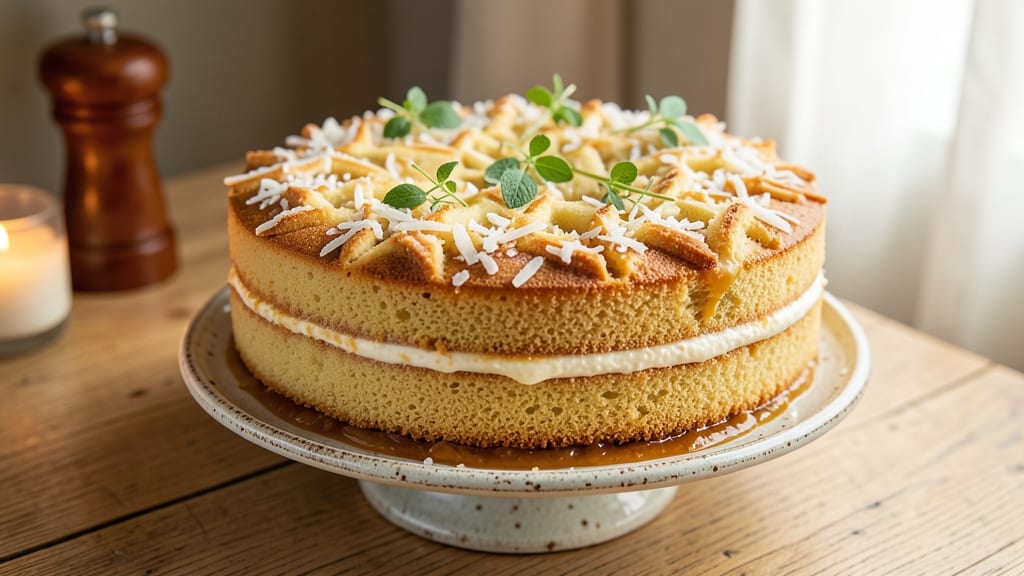
This moist banana and coconut cake delivers tropical flavors and a secret egg trick that keeps it wonderfully tender for days. 🌴 The combination of ripe bananas and shredded coconut creates a fragrant, moist crumb that's perfect for any dessert occasion. What makes this recipe truly special is the simple yet effective technique for achieving that signature moist texture without drying out.
The key to this cake's success lies in using overripe bananas—they're sweeter and more hydrated, ensuring a rich, moist crumb. The egg trick involves beating the eggs separately before adding them to the batter, which helps create a lighter, airier texture while maintaining that all-important moisture. This method transforms a simple cake into something extraordinary, with a tender crumb that stays fresh even after a few days.
What you'll end up with is a tropical-inspired cake that's fragrant with coconut, sweet from bananas, and perfectly moist throughout. The secret technique ensures no dry edges or crumbly texture—just a consistently tender bite in every slice. This cake is ideal for brunch, dessert, or even breakfast, and it pairs beautifully with coconut whipped cream or fresh mango slices.
Whether you're baking for a special occasion or just craving something comforting, this recipe delivers restaurant-quality results with minimal effort. The tropical flavors and moist texture make it a standout dessert that's sure to impress. Let's get baking!
Ingredients for banana and coconut cake recipe moist
Twelve ingredients, tropical flavors, and a secret egg technique for legendary moisture.
| Ingredient | Amount | Notes |
|---|---|---|
| Ripe Bananas 🍌 | 1 ½ cups | Mashed, overripe for sweetness |
| All-Purpose Flour 🌾 | 2 cups | Sifted, for light texture |
| Granulated Sugar 🍚 | 1 ½ cups | White or light brown |
| Unsalted Butter 🧈 | 1 cup | Softened, full-fat preferred |
| Large Eggs 🥚 | 2 whole | Room temperature, beaten separately |
| Shredded Coconut 🥥 | 1 cup | Sweetened, unsweetened works too |
| Baking Soda 🧂 | 1 tsp | Pure, not baking powder |
| Vanilla Extract 🌸 | 1 tbsp | Pure, high-quality preferred |
| Salt 🧂 | ½ tsp | Fine sea salt preferred |
| Coconut Milk 🥥 | ½ cup | Full-fat, for extra moisture |
| Lemon Juice 🍋 | 1 tbsp | Freshly squeezed, bright flavor |
| Almond Extract 🌿 | ¼ tsp | Optional, for depth of flavor |
The bananas are non-negotiable—overripe is the secret. They're sweeter and more hydrated, which directly translates to moisture in your cake. Trader Joe's often has perfect ones, or check the back of the produce section at Whole Foods where they tend to ripen faster. For the coconut, unsweetened is fine if you prefer less sugar, but sweetened adds that extra tropical punch. The baking soda and salt should be Diamond Crystal if you're picky about measurements—it's double-acting, which helps with lift and tenderness. Store your baking soda in an airtight container away from moisture to keep it potent.
No almond extract? Skip it entirely—this cake still works beautifully. Running out of vanilla? Almond extract at half the amount gives a similar depth. The coconut milk can be swapped for Greek yogurt or sour cream if you're avoiding dairy, but the texture will be slightly denser. For the eggs, room temperature is critical—they should be at about 70°F when you start mixing. If you're concerned about salmonella, use pasteurized eggs. The butter should be soft but not melted—press a finger into it; if it leaves a slight indent, it's ready. For the shredded coconut, toasted coconut adds an extra layer of flavor, but it's not required.
This cake stays moist for 4-5 days when wrapped tightly in plastic at room temperature. For longer storage, freeze slices individually wrapped for up to 3 months. The secret egg trick means you can actually slice it the next day and it'll still be tender—no waiting hours for it to set. I always bake mine in a 9x13-inch pan for easy slicing, but a 9-inch round pan works too if you prefer. The coconut topping can be reserved for garnish if you want a cleaner look, or sprinkled generously for that extra tropical touch. Leftovers reheat beautifully in the microwave for 10-15 seconds to restore freshness.
Why You'll Love This Recipe
- No Mash Required: I swear by this trick—just mash the bananas with a fork until there are a few lumps left. No food processor, no stress, and the texture stays perfectly moist. That’s the magic of ripe bananas and melted butter working together.
- Tropical Comfort in Every Bite: The coconut flavor isn’t overpowering—it’s like a warm hug. The buttery richness from the eggs and sugar balances the natural sweetness of the bananas, while the flour gives it just enough structure to hold its shape. Honestly, it’s the kind of cake that makes you slow down and savor each slice.
- Weeknight Hero: This cake is my go-to when I need something fast but still feels special. Bake it for breakfast, pack slices for lunch, or serve it with coffee—it’s that adaptable. And if you’re short on time? The batter comes together in one bowl, no fancy techniques needed.
- Leftovers That Don’t Disappoint: Between us, this cake actually improves the next day. The flavors meld even more, and it’s still soft enough to cut with a butter knife. I’ve made it for potlucks, school fundraisers, and lazy Sundays—no one ever asks for seconds just once.
Step-by-step instructions for tropical banana coconut cake
Master the secret egg technique for a cake that stays moist for days.
👨🍳 Step 1: Prep Ingredients for Perfect Texture
Start by mashing the 1.5 cups ripe bananas until completely smooth—no lumps. I like to press them through a fine-mesh sieve for extra silkiness. In a separate bowl, sift together the 2 cups all-purpose flour, 1.5 cups granulated sugar, 1 tsp baking soda, and 0.5 tsp salt. This ensures no flour pockets remain, giving you a light, even crumb.
Softened butter is crucial here—press your finger into the 1 cup unsalted butter and if it leaves a slight indent, it's ready. Beat the eggs separately in a bowl until frothy but not fully emulsified. This pre-beating prevents overmixing later and maintains that signature moistness. Keep all ingredients at room temperature for even distribution.
🍳 Step 2: Combine Wet Ingredients with the Secret Technique
In a large mixing bowl, combine the mashed bananas with the 1 cup softened butter and mix until smooth. Add the 2 whole large eggs one at a time, mixing just until each is fully incorporated. Here's the secret: add the 0.5 cup coconut milk and 1 tbsp lemon juice now—they create micro-emulsions that trap moisture during baking.
Stir in the 1 tbsp vanilla extract and 0.25 tsp almond extract (if using). The almond extract adds subtle depth that complements the tropical flavors. The mixture should be thick but pourable—if it looks too stiff, add 1-2 tablespoons of water to maintain proper consistency. This step ensures your cake won't dry out in the oven.
🥘 Step 3: Fold in Dry Ingredients Gently
Gradually add the sifted dry ingredients to the wet mixture, folding with a spatula just until combined. Stop mixing as soon as you see no more flour streaks—overmixing develops gluten and creates a tough cake. Fold in the 1 cup shredded coconut last, reserving about 2 tablespoons for topping. The coconut's natural oils help maintain moisture during baking.
Here's where precision matters: the batter should be thick but not dry. If it looks too stiff after folding, gently whisk in 1-2 tablespoons of the reserved coconut milk. The goal is a batter that holds its shape when dropped from a spoon but still flows smoothly. This texture guarantees that moist crumb we're after.
🔥 Step 4: Bake with Precision Timing
Preheat your oven to 350°F and grease an 8-inch round cake pan or line it with parchment paper. Pour the batter into the prepared pan and sprinkle the reserved 2 tablespoons shredded coconut evenly on top. Bake for 45-50 minutes until a toothpick inserted in the center comes out clean with just a few moist crumbs clinging to it.
Don't overbake—this is where most cakes go wrong. The moment the edges pull away from the pan but the center still looks slightly underdone is perfect. The cake will continue setting as it cools. If you're unsure, check at 40 minutes—ovens vary, and this cake benefits from being slightly underbaked for maximum moisture retention.
⏰ Step 5: Rest and Serve for Optimal Texture
Let the cake cool in the pan for 15 minutes, then transfer to a wire rack to cool completely. This resting period allows the moisture to redistribute evenly throughout the cake. If you cut into it too soon, the crumb will be gummy. For extra moisture, brush the warm cake with a simple syrup made by simmering ¼ cup sugar with 2 tablespoons water for 3 minutes. Let it cool before serving.
The finished cake should have a tender, moist crumb with just the right amount of coconut flavor in every bite. The secret egg technique combined with coconut milk ensures it stays fresh for days when stored properly. Slice and serve with whipped coconut cream or a dollop of vanilla ice cream for the ultimate tropical experience.
Pro Tips For Making Banana And Coconut Cake Recipe Moist
- Mash Bananas Thoroughly: I learned this the hard way—lumpy banana puree means uneven moisture and a denser cake. Use a fork first, then press through a fine-mesh sieve or food mill to remove skins and get a smooth, aerated texture. The finer the mash, the lighter the crumb.
- Use Room-Temp Butter: Cold butter creates pockets that trap steam, but it also makes the cake fight you. Let your butter sit out for 30 minutes before creaming—it blends smoother with sugar and distributes evenly, keeping the crumb tender without greasiness. (Yes, even if you’re impatient like me.)
- Skip Overmixing the Batter: This isn’t the prettiest method, but it’s the tastiest. Once you fold in the flour, stop after 10-12 strokes—any more and you’ll develop gluten, making the cake tough. The batter should look shaggy, not smooth. Trust the process.
- Add Coconut Milk, Not Just Shreds: Shredded coconut adds texture, but for moisture, swap half the water called for with coconut milk. The fat in the milk keeps the cake rich and prevents a dry crumb, especially if you’re using extra flour for structure. (Your future self will thank you.)
Wine and beer pairings for banana and coconut cake recipe moist
Tropical White Wine
For this fragrant banana and coconut cake, I reach for dry Riesling from Germany—its crisp acidity and subtle honeyed notes complement the tropical flavors beautifully. The slight sweetness in some Rieslings enhances the cake's natural sweetness without overpowering it. A chilled glass of Dr. Loosen Blue Slate or Chateau Ste. Michelle pairs perfectly, cleansing your palate between bites of rich, moist cake. 🍷
Citrusy Sauvignon Blanc
If you prefer something lighter, a New Zealand Sauvignon Blanc with its zesty lemon and grapefruit notes creates a refreshing contrast. The bright acidity cuts through the cake's richness while enhancing the lemon juice in the batter. I love Cloudy Bay or Oyster Bay for this pairing—their citrus-forward profiles make every bite feel fresh and vibrant. Serve slightly chilled for the best experience.
Creamy Chardonnay
For those who love a touch of creaminess, an oaked Chardonnay from California adds a luxurious pairing. The buttery notes in Kendall-Jackson Vintner's Reserve or Meiomi complement the coconut milk in the cake beautifully. The wine's richness balances the cake's moisture, creating a harmonious dessert experience. Opt for a bottle with about 12-14% alcohol to avoid overwhelming the delicate flavors.
Tropical Beer Pairings
For beer lovers, a Belgian Witbier like Hoegaarden or Stella Artois is my go-to choice. The coriander and citrus notes in these beers mirror the lemon and coconut flavors in the cake, creating a refreshing contrast. Serve the beer ice-cold to enhance its crispness and let the tropical flavors shine. 🍺
Coconut-Inspired Rum Cocktail
For a truly tropical experience, serve the cake with a Piña Colada or Coconut Rum Punch. Mix 2 oz coconut rum like Malibu, 1 oz pineapple juice, and 1 oz coconut cream, then blend with ice. The creamy, tropical flavors amplify the cake's coconut notes, creating a dessert experience that transports you to a beachside paradise. Garnish with a pineapple wedge for extra flair.
Nutrition facts
Frequently asked questions
Why do ripe bananas make this cake so moist?
Ripe bananas are packed with natural sugars and water content that infuse the batter with moisture. Their sweetness also reduces the need for added sugar while keeping the crumb tender. The overripe spots break down more easily, creating a smoother texture that traps moisture during baking.
Can I substitute coconut milk for another dairy option?
Yes! For a richer texture, use Greek yogurt or sour cream (same amount). For a lighter option, try evaporated milk or coconut cream. The fat content helps maintain moisture, but the flavor will shift slightly. If avoiding dairy entirely, almond milk + 1 tbsp melted coconut oil works in a pinch.
How do I prevent dry edges in my banana coconut cake?
Bake at 350°F and check for doneness at 40 minutes—the edges should pull away while the center remains slightly jiggly. For extra protection, wrap the baked cake in plastic wrap while still warm, then refrigerate for 1 hour before slicing. This traps steam and redistributes moisture.
Is this cake vegan-friendly?
Not traditionally, but with simple swaps! Replace eggs with 2 flax eggs (2 tbsp ground flax + 6 tbsp water) and use vegan butter or coconut oil for the butter. For coconut milk, choose a full-fat coconut cream version. The texture will be slightly denser but still moist—test the recipe first for your preferred consistency.
Can I make this cake ahead of time?
This cake actually improves with time. Wrap tightly in plastic and store at room temperature for 3-4 days or freeze slices for 3 months. The secret egg technique ensures it stays moist even after resting. For serving, bring to room temperature and dust with extra shredded coconut for freshness.