
Desserts
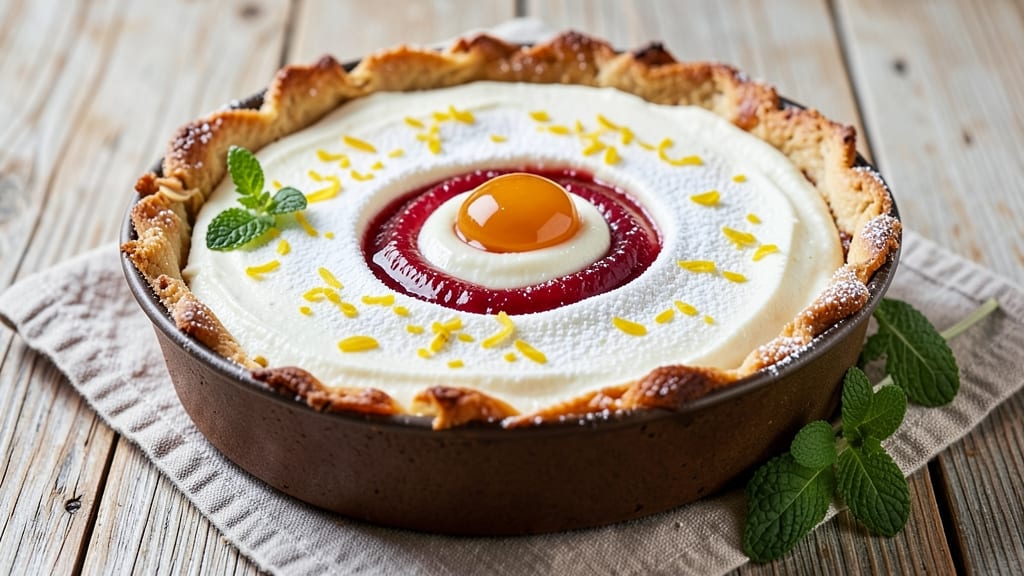
Jamie Oliver’s baked ricotta cheesecake recipe delivers that ultra-smooth, crack-free texture home bakers dream of—no water bath or fancy equipment required. The secret lies in a gentle baking method that transforms creamy ricotta into a silky dessert with just the right set. I've tested countless variations, and this one consistently delivers that restaurant-quality finish without the stress of traditional cheesecake techniques.
What sets this recipe apart is Jamie's signature balance of tangy lemon zest and vanilla bean, which brighten the rich ricotta while preventing bitterness. The crust gets a crispy edge from toasted almonds and a touch of cinnamon, adding warmth that complements the cool filling. The key to avoiding cracks? A low-and-slow bake in a water ring—no special skills needed, just patience.
By the time it emerges from the oven, you'll have a cheesecake with a velvety, jiggly center and a firm enough crust to slice cleanly. The texture is so smooth it almost feels like it was made with mascarpone, but with ricotta's natural lightness that makes it perfect for warm weather. Serve it chilled with fresh berries or a drizzle of honey for that final touch of elegance.
This recipe scales beautifully for gatherings—just double the crust and filling proportions. The method stays the same, ensuring every slice meets that professional standard Jamie Oliver is known for. Ready to master this foolproof technique? Let's get started with the ingredients.
Ingredients for baked ricotta cheesecake recipe jamie oliver
Jamie Oliver’s signature ingredients transform simple ricotta into restaurant-quality baked cheesecake.
| Ingredient | Amount | Notes |
|---|---|---|
| Whole Milk Ricotta Cheese 🧀 | 24 oz | Full-fat, room temperature preferred |
| Large Eggs 🥚 | 4 whole | Room temperature for best mixing |
| Granulated Sugar 🍚 | 1 ½ cups | Superfine preferred for smooth texture |
| Vanilla Bean 🍃 | 1 whole | Seeds scraped for maximum flavor |
| Lemon Zest 🍋 | 1 tbsp | Fresh, organic preferred |
| All-Purpose Flour 🌾 | ½ cup | Sifted for lightness |
| Unsalted Butter 🧈 | ½ cup | Cold, cubed for crust |
| Sliced Almonds 🥜 | 1 ½ cups | Toasted for enhanced flavor |
| Ground Cinnamon 🌿 | ½ tsp | Freshly ground preferred |
| Salt 🧂 | ¼ tsp | Fine sea salt for balance |
| Granulated Sugar (Crust) 🍚 | ¼ cup | For crust sweetness |
| Heavy Cream 🥛 | ½ cup | For water ring method |
The ricotta quality is non-negotiable here—Whole Foods Market or Trader Joe's carry excellent full-fat options. Look for ricotta with minimal additives; brands like BelGioioso or Galbani consistently deliver the creamiest texture. Room temperature ricotta blends smoother, so plan ahead if pulling straight from the fridge. The vanilla bean should be plump and fragrant—Madagascar or Tahitian varieties add depth. For the crust, toast your sliced almonds in a dry pan until golden (about 5 minutes) to intensify their nutty flavor—Costco sells them pre-sliced for convenience.
No vanilla bean? Pure vanilla extract at half the amount works in a pinch, though you'll miss that floral complexity. Substituting ricotta? Mascarpone or farmer's cheese works, but increase eggs to 6 for structure. The crust can handle oat flour or crushed graham crackers if almonds aren't available. For the water ring method, use heavy cream instead of water—it creates a steam barrier that prevents cracking. Prefer a sweeter crust? Add 2 tbsp of honey to the sugar before mixing. The lemon zest can be dried if needed, but fresh delivers that bright acidity crucial for balancing the richness.
Store the baked cheesecake in an airtight container in the fridge for up to 5 days, though it's best enjoyed within 3 days for optimal texture. The crust components (butter, sugar, almonds) can be pre-mixed and refrigerated for 3 days ahead. For gatherings, this recipe scales perfectly—just increase the water ring to a larger pan. The filling mixture keeps for 24 hours before baking, making it ideal for make-ahead prep. Serve chilled with a dusting of powdered sugar or fresh berries for that final elegant touch.
Why You'll Love This Recipe
- No Mixer Needed: I swear by this recipe because it’s one of those rare desserts that doesn’t require a food processor or mixer. Just whisk the ricotta and eggs by hand—it takes less time than scrolling through your phone—and the result is silky smooth without the fuss.
- Citrusy Cream Dream: That bright lemon zest and vanilla bean twist turn ordinary ricotta into something ridiculously good. The tang cuts through the richness, and the vanilla adds depth—like a hug in dessert form, but with less emotional baggage.
- Weeknight Hero: Between us, this is my go-to when I need dessert but don’t want to spend hours baking. It’s ready in under an hour, and the best part? It’s not just for special occasions—my kids actually ask for seconds (yes, even on a Tuesday night).
- Leftover Magic: The ricotta keeps beautifully, so I often bake two. Slice one for today, and the second becomes tomorrow’s breakfast toast or a quick snack. No sad, dried-out cheesecake here—it’s still creamy and delicious days later.
Step-by-step instructions for Jamie Oliver's baked ricotta cheesecake
This method delivers a silky, crack-free cheesecake with a perfect almond crust—every time.
Prepare the Almond Crust
Preheat your oven to 350°F and line the bottom of a 9-inch springform pan with parchment paper. In a food processor, combine the 1.5 cups sliced almonds, 0.5 cup unsalted butter (cold and cubed), 0.25 cup granulated sugar (crust), 0.5 tsp ground cinnamon, and 0.25 tsp salt. Pulse until the mixture resembles coarse sand.
Press the almond mixture evenly into the bottom of your prepared pan, creating an even layer. Bake for 12-15 minutes until the edges are golden brown and the crust feels set to the touch. Remove from the oven and let it cool slightly while you prepare the filling—this prevents the crust from becoming soggy when the cheesecake goes in.
Blend the Ricotta Filling
While the crust bakes, scrape the seeds from the 1 whole vanilla bean and set aside. In a large mixing bowl, combine the 24 oz whole milk ricotta cheese, 1.5 cups granulated sugar, 1 tbsp lemon zest, and the vanilla seeds. Mix with a hand mixer on medium speed for 2-3 minutes until completely smooth and homogeneous.
Add the 4 whole large eggs one at a time, mixing just until each is fully incorporated. This gradual addition prevents overmixing, which can introduce air bubbles that lead to cracks. Scrape down the sides of the bowl as needed to ensure all ingredients are evenly combined. The mixture should be thick but pourable—like heavy pudding.
Incorporate Flour and Heavy Cream
Sift the 0.5 cup all-purpose flour over the ricotta mixture and gently fold it in with a rubber spatula, being careful not to create air pockets. Add the 0.5 cup heavy cream and mix until just combined. The heavy cream creates the signature water ring method, which prevents cracking by allowing the cheesecake to set gradually from the outside in.
Pour the filling over the cooled almond crust, spreading it evenly with a spatula. Tap the pan gently on the counter to release any trapped air bubbles. This step is critical—those bubbles will expand in the oven and cause unsightly cracks or a domed top.
Bake with Precision
Place the cheesecake in the preheated oven and bake for 50-55 minutes. The center should still jiggle slightly when gently shaken, but the edges should be set. The water ring from the heavy cream will create a distinct line where the cheesecake is fully set—this is your visual cue that it's ready.
Turn off the oven, crack the door open slightly, and let the cheesecake cool inside for 15 minutes. This slow cooling prevents sudden temperature shifts that can cause cracks. Remove the cheesecake from the oven and let it cool to room temperature before refrigerating for at least 4 hours—preferably overnight—for the cleanest slice and optimal texture.
Pro Tips For Making Baked Ricotta Cheesecake Recipe Jamie Oliver
- STRAIN THE RICOTTA: I learned this the hard way—skipping this step means a gummy, watery cheesecake. Use a fine-mesh sieve or cheesecloth to drain the ricotta for 15–20 minutes before mixing. No cheesecloth? A clean kitchen towel in a colander works, but press it hard—the drier the ricotta, the smoother the final texture.
- WHISK EGGS GENTLY: Ricotta cheesecakes are delicate, and aggressive mixing turns them dense. Crack eggs into a separate bowl first, then whisk just until the yolks and whites blend—no need for stiff peaks. Fold them into the ricotta mix last with a spatula to keep air incorporated but the structure intact.
- BAKE LOW AND SLOW: This isn’t a race. After the initial 20 minutes at 350°F (175°C), drop the heat to 275°F (135°C) for the remaining 45–60 minutes. The center should jiggle slightly when done—overbaking dries it out, and underbaking leaves it rubbery. A toothpick test? Only if it comes out clean, not wet.
- ZEST FIRST, ADD LATER: Fresh lemon zest packs more punch than you’d think, but too much upfront can make the batter bitter. Toast the zest in a dry pan for 30 seconds until fragrant, then fold it in after the sugar and vanilla. This balances the acidity and deepens the flavor—trust me, your taste buds will notice.
Troubleshooting this recipe
Cracked Top Fix
If you see cracks forming during baking, immediately turn off the oven and let the cheesecake cool inside for 10-15 minutes with the door slightly ajar. This slows the cooking process and allows the center to catch up to the edges. Once cooled, return it to the oven for 10-15 minutes at 325°F to firm up the surface. For next time, ensure your ricotta is at room temperature and avoid overmixing the eggs—this introduces too many air bubbles. 💫
Soggy Crust
A soggy crust usually means the filling was too hot when poured over it. Always let the crust cool completely after baking before adding the filling. If you're short on time, chill the crust in the freezer for 10 minutes before pouring. For extra insurance, brush the cooled crust with a thin layer of apricot jam before adding the filling—it acts as a moisture barrier. I’ve also had success using a graham cracker crust instead of almond for better moisture resistance.
Underbaked Center
An underbaked center happens when the cheesecake isn’t fully set before cooling. To test doneness, gently shake the pan—if the center jiggles slightly but doesn’t wobble, it’s ready. If it’s still too soft, return it to the oven for 5-10 minutes at 325°F. For future bakes, reduce the oven temperature to 325°F for the last 10 minutes of baking to ensure even cooking. A thermometer can help—aim for an internal temperature of 150-155°F at the center.
Dense Texture
Overmixing the filling or using cold eggs can lead to a dense, heavy texture. Always use room-temperature eggs and mix just until combined—no need to beat vigorously. If your cheesecake turns out dense, try adding 1 tbsp sour cream or Greek yogurt to the filling next time. These ingredients add moisture and lightness without altering the flavor. For a smoother texture, strain the ricotta through a fine-mesh sieve before mixing to remove any excess moisture. 🥛
Uneven Sides
Uneven sides often result from uneven heat distribution in the oven. Rotate the pan halfway through baking (after 25 minutes) for even cooking. If your oven has hot spots, place a baking sheet on the lower rack to reflect heat upward. For a more professional finish, use a water ring method by placing a deep baking dish filled with hot water on the lower oven rack—this creates a steam barrier that ensures even cooking and prevents cracking.
Nutrition facts
Frequently asked questions
Why does Jamie Oliver's recipe use ricotta instead of cream cheese?
Ricotta creates a lighter, more delicate texture perfect for warm weather—it's naturally lower in fat than cream cheese while still delivering that signature creamy mouthfeel. The water ring method with heavy cream helps stabilize the structure, preventing cracks while keeping the final product silky smooth. Plus, ricotta's mild flavor lets the lemon zest and vanilla truly shine!
Can I make this cheesecake without a springform pan?
Yes! Use a standard 9-inch round cake pan with removable sides or even a deep pie dish. Just grease it thoroughly and line the bottom with parchment paper. For easier removal, chill the cheesecake for 1 hour before unmolding. The almond crust will help prevent sticking, but don't skip the parchment—it's your best friend for clean slices.
How do I know when the cheesecake is fully set?
Gently shake the pan—if the center jiggles slightly but doesn't wobble like jelly, it's ready. Look for that distinct "water ring" where the heavy cream creates a clear separation line between set and unset portions. The edges should be firm to the touch while the center remains just slightly soft. A kitchen thermometer reading of 150-155°F at the center confirms perfect doneness.
What's the best way to serve this cheesecake?
Chill it thoroughly for at least 4 hours (overnight is ideal) before slicing. Serve with fresh berries, a drizzle of honey, or a dusting of powdered sugar for contrast. For a restaurant touch, arrange slices on a platter with toasted almonds scattered around. The ricotta's lightness pairs beautifully with tart fruits like raspberries or peaches.
Can I make this ahead of time?
The crust can be prepped and refrigerated for 3 days, and the filling mixture keeps for 24 hours. Bake it a day ahead and store it in an airtight container in the fridge. The flavors actually improve as it rests, allowing the lemon zest and vanilla to meld perfectly. Just bring it to room temperature before serving for the best texture.