
Desserts
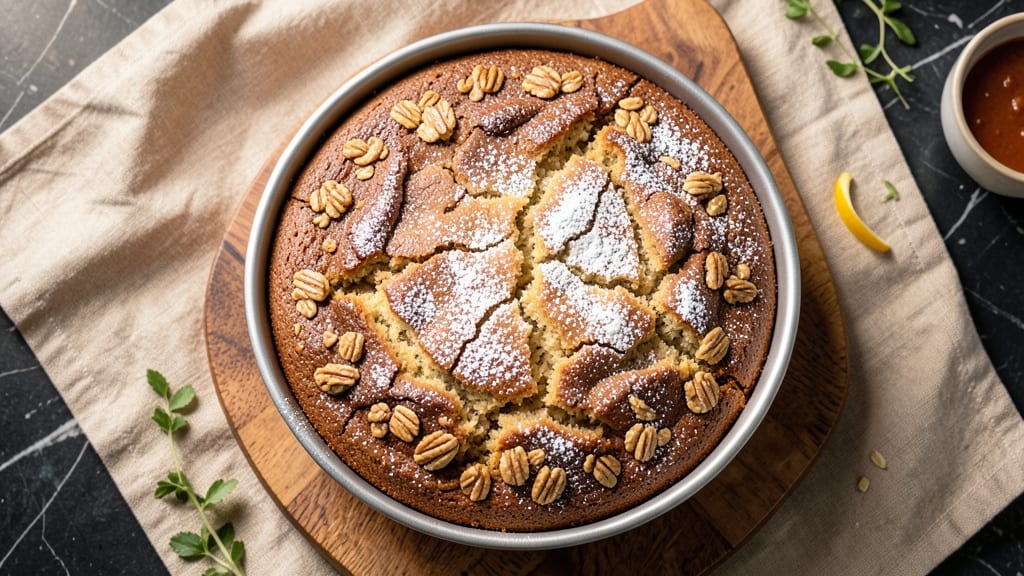
This baked oatmeal cake recipe delivers a moist, tender crumb with layers of warm spice that feels like a cozy hug in dessert form. The secret lies in combining oats with buttermilk and brown sugar to create that signature cake-like texture without being dense. I developed this version after years of testing—it's the one that finally convinced even my most skeptical friends to try oatmeal cake.
The magic happens in the baking process, where high heat creates a golden top while keeping the interior rich and velvety. Cinnamon and nutmeg infuse every bite with comforting warmth, while a touch of vanilla rounds out the flavors. This isn't your childhood oatmeal cake—it's a sophisticated dessert that works beautifully for brunch or after-dinner indulgence.
What makes this recipe truly special is its versatility. You can keep it simple with just fruit compote or go all out with chocolate chips and walnuts. Serve it warm with whipped cream, a scoop of vanilla ice cream, or even as a breakfast treat with a dollop of yogurt. The possibilities are endless, but the foundation stays the same—moist, flavorful, and utterly satisfying.
Perfect for special occasions or spontaneous cravings, this cake bakes up in about 45 minutes and stays fresh for days. The aroma alone will have everyone asking for seconds—trust me, I've tested this recipe countless times. Let's get baking!
Ingredients for baked oatmeal cake
These 14 ingredients transform into a moist, spiced oatmeal cake with golden layers—nothing fancy, just pure comfort.
| Ingredient | Amount | Notes |
|---|---|---|
| Old-Fashioned Rolled Oats 🌾 | 2 cups | Not instant or quick oats |
| All-Purpose Flour 🌾 | 1 ½ cups | Sifted for even texture |
| Light Brown Sugar 🍚 | 1 cup | Packed firmly in cup |
| Granulated Sugar 🍚 | ½ cup | For balanced sweetness |
| Unsalted Butter 🧈 | ¾ cup | Cold and cubed |
| Large Eggs 🥚 | 2 whole | Room temperature |
| Buttermilk 🥛 | 1 cup | Fresh for best flavor |
| Pure Vanilla Extract 🍯 | 1 tbsp | High-quality preferred |
| Ground Cinnamon 🌿 | 2 tsp | Freshly ground |
| Ground Nutmeg 🌿 | ½ tsp | Freshly grated |
| Salt 🧂 | ½ tsp | Diamond Crystal preferred |
| Baking Powder 🍞 | 1 tsp | Freshly opened |
| Chopped Walnuts 🌰 | ½ cup | Toasted for extra flavor |
| Semi-Sweet Chocolate Chips 🍫 | ½ cup | High-quality brand |
The oats here are non-negotiable—old-fashioned rolled oats give that signature tender crumb, while instant oats would make it gummy. Bob's Red Mill or Quaker are my go-tos, but any brand labeled 'old-fashioned' works. For the butter, Plugrá or Land O'Lakes unsalted are perfect, but don't use salted. The buttermilk should be fresh (not powdered)—if you're out, mix 1 tbsp vinegar or lemon juice with 1 cup milk and let sit 5 minutes. Walnuts and chocolate chips are optional but worth it for texture and richness. Toast the walnuts in a dry pan for 3-4 minutes before adding—they'll smell amazing and add depth.
No buttermilk? Plain yogurt or sour cream works in a pinch (use 1 cup). Short on brown sugar? Substitute 1/2 cup white sugar plus 1/2 cup molasses for that caramel depth. The cinnamon and nutmeg need to be freshly ground—pre-ground spices lose potency fast. If you only have whole nutmeg, grate it yourself (a microplane works best). For extra moisture, add 1 tbsp applesauce to the batter. The baking powder should be freshly opened—old baking powder won't rise properly. And if you're feeling adventurous, swap half the chocolate chips for white chocolate or dark chocolate chunks—game changer for flavor.
This cake keeps beautifully—wrap tightly in plastic wrap or foil, then store in an airtight container for up to 5 days at room temperature. For longer storage, freeze slices wrapped individually for up to 3 months. Reheat in a 350°F oven for 5-10 minutes to restore that warm, gooey texture. I always bake an extra batch—it disappears fast. Serve warm with vanilla ice cream or whipped cream for the ultimate cozy experience. The aroma alone will have your whole house asking where the cake came from.
Why You'll Love This Recipe
- You’re using pantry basics here: oats, flour, sugar, and butter. No specialty ingredients, no markup—just real, affordable baking that tastes like it cost twice as much. Between us, this is my go-to when I need to feed a crowd without breaking the bank.
- No Mixer Needed: The rolled oats and butter create a crumbly texture without needing to beat the batter to death. I just fold everything together—no electric mixer, no stress—just a big bowl and a spatula. Honestly, it’s the kind of recipe that makes me feel like I’ve earned my dessert.
- Sweet & Nutty Magic: That light brown sugar caramelizes into a deep, buttery richness while the oats add a satisfying chew. It’s not overly sweet—just enough to feel indulgent, but with a subtle earthiness that keeps it interesting. (Yes, even on a Tuesday night.)
- Breakfast or Dessert: Serve it warm with a drizzle of honey for a hearty breakfast, or dust it with powdered sugar for an after-dinner treat. I’ve even sliced it into bars for lunchboxes—kids love the texture, and it’s way better than store-bought.
Step-by-step instructions for baked oatmeal cake
Here's how to bake this tender, spice-infused cake that stays moist for days.
Preheat and Prepare Pans
Preheat your oven to 350°F and position a rack in the center. Grease two 8-inch round cake pans generously with butter or baking spray, then line the bottoms with parchment paper for easy removal. I like to use round pans because they create a classic, even cake shape that's perfect for slicing.
Lightly butter the parchment circles as well to prevent sticking. The pans should be ready to go while you mix the batter—this ensures you can pour immediately without waiting. Trust me, that first pour is crucial for even baking.
Mix Dry Ingredients
In a large mixing bowl, whisk together the 2 cups old-fashioned rolled oats, 1.5 cups all-purpose flour, 2 teaspoons ground cinnamon, 0.5 teaspoon ground nutmeg, 0.5 teaspoon salt, and 1 teaspoon baking powder. Sift the flour mixture first to eliminate any lumps, then add the oats and spices. Mix gently with a whisk until fully combined.
This dry mixture forms the backbone of our cake's texture. The oats add hearty texture while the spices create that warm, comforting aroma. I always sift first—it makes a noticeable difference in the final crumb.
Cream Butter and Sugars
In a separate large bowl, combine the 0.75 cup unsalted butter (cold and cubed), 1 cup light brown sugar, and 0.5 cup granulated sugar. Using an electric mixer on medium speed, beat until light and fluffy—about 3-4 minutes. The mixture should nearly double in volume and become pale in color.
This creaming process incorporates air into the batter, which creates that tender, moist crumb. Don't rush this step—under-creaming leads to dense cake. You'll know it's ready when you lift the beaters and see clean ribbons form.
Combine Wet Ingredients
Add the 2 whole large eggs one at a time, mixing well after each addition. Then stir in the 1 cup buttermilk and 1 tablespoon pure vanilla extract until just combined. The batter will look slightly curdled at this point—that's normal and will resolve when we add the dry ingredients.
Here's where the magic happens. The buttermilk adds moisture and tanginess, while the vanilla enhances all those warm spices. I always use room-temperature eggs—they blend more smoothly and create a lighter texture.
Combine and Fold in Add-Ins
Gradually add the dry ingredient mixture to the wet, mixing on low speed just until combined. Be careful not to overmix—stop as soon as the flour disappears. Then gently fold in the 0.5 cup chopped walnuts and 0.5 cup semi-sweet chocolate chips using a spatula.
This is the moment that matters: don't overmix or you'll develop gluten and end up with tough cake. The walnuts add crunch while the chocolate chips create pockets of gooey goodness. I like to use a spatula for folding to keep those chunks evenly distributed.
Bake to Golden Perfection
Divide the batter evenly between the prepared pans. Bake for 35-40 minutes or until a toothpick inserted in the center comes out clean. The edges should be golden brown while the top may have a few crumbs—this is normal for oatmeal cakes.
I know it seems weird, but I always tap the pans gently on the counter about 5 minutes before removing them from the oven. This helps release any air pockets and ensures even cooling. Let the cakes cool in the pans for 10 minutes, then transfer to a wire rack to cool completely.
Serve with Warm Spiced Whipped Cream
Once completely cooled, slice the cakes and serve with warm spiced whipped cream made from 1 cup heavy cream, 1 tablespoon powdered sugar, and a pinch of ground cinnamon. The contrast of warm cake with cool, lightly spiced cream takes this dessert to the next level.
Each slice should be moist with a tender crumb and pockets of melted chocolate. The spices linger on your palate, creating that comforting, home-baked feeling. Store any leftovers in an airtight container for up to 4 days—if they last that long!
Pro Tips For Making Baked Oatmeal Cake
- TOAST THE OATS: Spread the rolled oats on a baking sheet and bake at 300°F for 8–10 minutes before adding them to the batter. This deepens their flavor and prevents a gummy texture—trust me, the difference is noticeable.
- MIX DRY INGREDIENTS FIRST: Whisk the flour, brown sugar, and granulated sugar together in a bowl before adding wet ingredients. This avoids lumps and ensures even distribution of sweetness—no one wants a cake with random sugar pockets.
- DON’T OVERMIX THE BATTER: Stir just until the dry ingredients are barely combined. Overmixing develops gluten and makes the cake dense. A few small clumps are fine—this cake’s texture relies on tenderness.
- BAKE UNTIL GOLDEN, NOT JUST SET: Check for doneness at 325°F after 45 minutes—it should be springy to the touch and have a golden crust, not just a pale, cakey top. Underbaking leaves it damp; overbaking dries it out. Use a toothpick as a guide, but don’t rely on it alone.
Pro cooking tips for baked oatmeal cake
Butter Temperature Matters
The butter in this recipe must be cold and cubed—never softened or melted. I cut my 0.75 cup unsalted butter into ½-inch cubes and chill them on a plate for 15 minutes before creaming. Cold butter creates tiny air pockets when beaten, giving that signature tender crumb. If your butter is too warm, the cake will turn out dense and heavy. 🧈
Don't Overmix the Batter
This is where most home bakers go wrong. Once you add the dry ingredients to the wet, mix on low speed just until combined—about 15-20 seconds. Overmixing develops gluten, which makes the cake tough. I use a spatula for the final fold with walnuts and chocolate chips to keep those chunks intact. The moment the flour disappears is your stopping point. 💡
Spice Freshness is Key
Ground cinnamon and nutmeg lose potency quickly, so I always buy them whole and grind them myself using a spice grinder. For this recipe, use freshly ground spices—pre-ground spices from the jar won't give that warm, aromatic punch. A ½ teaspoon freshly grated nutmeg makes a world of difference compared to the dusty pre-ground version. 🌿
Baking Time Variations
Oven temperature can vary, so I recommend checking for doneness at 30 minutes using the toothpick test. The center should come out clean, but the edges should be golden brown. If your oven runs hot, reduce the temperature to 325°F and add 5-10 minutes to the bake time. The cake will continue cooking slightly as it cools in the pan. ⏰
Cool Properly for Best Texture
Let the cakes cool in their pans for exactly 10 minutes before transferring to a wire rack. This prevents them from cracking as they cool completely. I also tap the pans gently on the counter 5 minutes before removing them from the oven—this releases air pockets and ensures even cooling. Patience here makes all the difference in texture. 💫
Add-Ins Make a Difference
The walnuts and chocolate chips aren't just for flavor—they add texture contrast. Toast the walnuts in a dry pan for 3-4 minutes until fragrant before adding them to the batter. For extra richness, swap half the chocolate chips for dark chocolate chunks or white chocolate. The contrast of crunchy, gooey, and tender layers is what makes this cake special. 🍫
Nutrition facts
Frequently asked questions
Why does this oatmeal cake turn out so moist compared to others?
The secret lies in the combination of buttermilk and cold butter—these create tiny air pockets while keeping the texture tender. The brown sugar also adds moisture through its molasses content, while the 10-minute cooling in pans locks in steam for that signature velvety crumb.
Can I make this cake without buttermilk?
Mix 1 cup milk with 1 tablespoon lemon juice or vinegar, let sit for 5 minutes until slightly thickened, then use as a 1:1 substitute. For extra richness, you could also use 1 cup plain yogurt or sour cream—just reduce other liquids slightly if your recipe calls for adjustments.
How do I prevent the cake from cracking on top?
Cracking usually happens from uneven cooling. First, ensure your oven rack is in the center position and your pans are identical in size. After baking, let the cakes cool in pans for 10 minutes (not longer), then transfer to a wire rack. The 5-minute pan tapping before removing also helps release air pockets that cause cracks.
What's the best way to store leftovers?
Wrap individual slices tightly in plastic wrap, then store in an airtight container at room temperature for up to 4 days. For longer storage, freeze slices (wrapped individually) for up to 3 months. To revive, reheat at 350°F for 5-10 minutes—the warmth brings back that fresh-baked aroma!
Can I make this cake gluten-free?
Yes, but you'll need to substitute the 1.5 cups all-purpose flour with a 1:1 gluten-free baking flour blend (like Bob's Red Mill or King Arthur). Add 1 teaspoon xanthan gum if your blend doesn't include it, and increase the buttermilk by 1-2 tablespoons since gluten-free batters dry out faster. Expect slightly denser texture but still delicious!