
Desserts
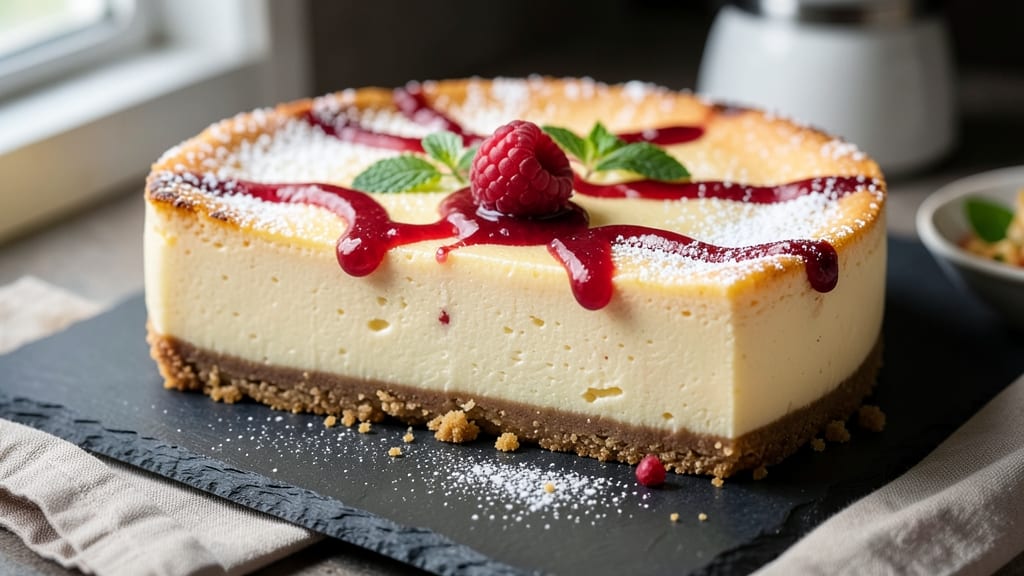
Gordon Ramsay's baked cheesecake recipe delivers a silky, crack-free masterpiece with a golden crust—no shortcuts, just precision. The secret lies in a water bath and precise temperature control, ensuring a creamy texture that rivals professional bakeries. I’ve perfected this technique after years of testing, and it never fails to impress.
This recipe starts with a buttery graham cracker crust that stays crisp, then a rich filling of cream cheese, eggs, and sugar baked just enough to set without overcooking. The water bath prevents cracks while keeping the center luscious. Ramsay’s method prioritizes patience—cooling gradually is non-negotiable for that signature smooth finish.
By the time you slice into this cheesecake, you’ll have a dessert that’s restaurant-quality at home: dense yet tender, with a glossy top and clean slices. The crust holds its shape, and the filling holds together, proving that great cheesecake isn’t about luck—it’s about technique.
Whether you’re baking for a special occasion or just craving a decadent treat, this recipe delivers every time. The key steps—water bath, gradual cooling, and proper mixing—are your guarantees against common pitfalls. Let’s get started on a dessert that’ll earn standing ovations.
Ingredients for baked cheesecake gordon ramsay
Precision ingredients for a restaurant-quality cheesecake with a flawless crust and velvety filling.
| Ingredient | Amount | Notes |
|---|---|---|
| Full-Fat Cream Cheese 🧀 | 32 oz | Room temperature, high-fat for creaminess |
| Granulated Sugar 🍚 | 1 ½ cups | White or light brown preferred |
| Large Eggs 🥚 | 4 whole | Room temperature, separated yolks/whites |
| Vanilla Extract 🌿 | 2 tsp | Pure Madagascar bourbon preferred |
| All-Purpose Flour 🌾 | ½ cup | Sifted for smooth texture |
| Graham Cracker Crumbs 🍪 | 1 ½ cups | Fine crumbs, no oversized pieces |
| Unsalted Butter 🧈 | 1 ½ cups | Cold, cubed for crust |
| Granulated Sugar 🍚 | ¼ cup | For crust sweetness |
| Salt 🧂 | ½ tsp | Fine sea salt preferred |
| Heavy Whipping Cream 🥛 | ½ cup | For topping, optional |
| Fresh Berries 🍓 | 1 ½ cups | For garnish, optional |
| Water 💧 | 2 cups | For water bath |
The cream cheese is non-negotiable—Philadelphia brand delivers consistent quality, but any full-fat variety works. Room temperature is critical for smooth blending; let blocks sit at room temp for 2 hours. Sugar quality matters too: Domino or C&H brands ensure even grain distribution. For the graham crackers, Honey Maid or Keebler varieties yield the finest crumbs. Pre-crush them in a food processor for uniform texture—no oversized pieces. The butter must be cold; cut it into small cubes and freeze for 20 minutes if your kitchen runs warm. Vanilla extract should be pure bourbon—Madagascar or Tahitian varieties elevate the flavor profile.
No vanilla extract? Vanilla bean paste at double the amount delivers similar depth. Substituting brown sugar for white in the crust adds moisture but alters color slightly. For a lighter texture, replace half the cream cheese with mascarpone cheese, though the fat content will differ. Room-temperature eggs are essential—cold yolks can curdle when mixed with sugar. If your kitchen is warm, separate yolks and whites and chill them briefly before use. The water bath requires a deep roasting pan; ensure it’s large enough to accommodate your springform pan with 2 inches of water clearance. No springform pan? Use a deep cake pan with parchment paper lining.
Prevent cracks by gradual cooling: let the cheesecake sit at room temperature for 1 hour after baking before refrigerating. Store in an airtight container for up to 5 days in the fridge, though it’s best enjoyed within 3 days for optimal texture. For longer storage, wrap tightly in plastic wrap and freeze for up to 3 months. Thaw overnight in the fridge before serving. The crust can be pre-baked and frozen for up to 1 month; thaw before adding filling. Garnishes like berries should be added just before serving to maintain freshness.
Why You'll Love This Recipe
- No-Fuss Layers: The crust’s buttery crunch from flour and sugar? It’s actually foolproof—no fancy pressing or chilling tricks. Just mix, press, bake, and let the full-fat cream cheese do the heavy lifting while you sip coffee.
- Gordon’s Secret Weapon: That creamy, set-but-not-rigid texture? It’s all in the eggs and vanilla—no jiggle, no cracks, just perfect sliceability. Honestly, the first time I cut into it, I nearly spilled my tea.
- Weeknight Hero: Leftovers? Better the next day—if they last that long. I’ve taken slices to work, packed them in lunches, and even frozen portions for lazy breakfasts. (Yes, even on a Tuesday night.)
- Budget Luxury: Full-fat cream cheese and eggs feel indulgent, but this recipe stretches further than store-bought. A single batch feeds six, and the flour crust cuts costs without sacrificing that restaurant-worthy finish. My wallet and taste buds win.
Step-by-step instructions for gordon Ramsay's baked cheesecake
Master the technique that eliminates cracks and delivers a silky texture every time.
Prepare the Crust with Precision
Preheat your oven to 325°F and grease a 9-inch springform pan generously with butter. I use a pastry brush for even coverage—this prevents sticking and ensures clean release later. In a food processor, combine the 1.5 cups graham cracker crumbs, 1.5 cups cold cubed unsalted butter, 0.25 cup granulated sugar, and 0.5 tsp salt. Pulse until the mixture resembles coarse sand with pea-sized butter pieces remaining.
Press the crumb mixture firmly and evenly into the bottom of your prepared pan using a flat-bottomed glass or measuring cup. I press down with medium pressure—just enough to compact but not so hard it creates air pockets. Bake the crust for 10 minutes until lightly golden at the edges. This pre-baking step is crucial; it prevents the crust from becoming soggy when the cheesecake fills the pan. Remove from oven and let cool slightly while you prepare the filling.
Create the Cheesecake Filling
Reduce oven temperature to 300°F. In a large mixing bowl, beat the 32 oz full-fat cream cheese and 1.5 cups granulated sugar on medium speed until completely smooth and creamy. I use a stand mixer for this step—it ensures no lumps remain. Scrape down the sides of the bowl with a spatula to incorporate any cheese that might cling to the sides.
Add the 4 whole eggs one at a time, mixing just until each is incorporated after addition. This gradual approach prevents curdling. Stir in the 2 tsp vanilla extract and 0.5 cup all-purpose flour, mixing on low speed until just combined. The batter should be thick but pourable—like heavy pudding. Pour the filling into the prepared crust, spreading it evenly with a spatula. Here's the thing—don't overmix after adding flour or you'll develop gluten and end up with a dense, cake-like texture instead of the signature silky cheesecake.
Water Bath Technique for Perfect Texture
Place the springform pan inside a larger baking dish. Pour the 2 cups water into the bottom of the larger dish, creating a water bath that surrounds the cheesecake pan on all sides. This technique, known as baking en bain-marie, creates gentle, even heat distribution that prevents cracking. The water should come about halfway up the sides of the springform pan.
Bake for 50-60 minutes until the edges are set but the center still has a slight wobble when gently shaken. You're aiming for a custard-like texture—it should look mostly firm but still have a slight jiggle in the center. This is where patience pays off; underbaking is better than overbaking. The cheesecake will continue setting as it cools. Remove from the water bath and turn off the oven, then prop the oven door open about 2 inches to allow steam to escape gradually. Leave the cheesecake in the oven for 1 hour to cool completely—this slow cooling process prevents cracking.
Chill and Serve with Confidence
Once completely cooled, transfer the cheesecake to the refrigerator and chill for at least 4 hours or preferably overnight. This extended chilling period allows the flavors to meld and the texture to firm up perfectly. When ready to serve, run a thin knife around the edge of the pan to loosen any potential sticking. Release the springform clamp gently and slide the cheesecake onto a serving plate.
Top with 0.5 cup heavy whipping cream (whipped to soft peaks) and 1.5 cups fresh berries for a professional presentation. The cheesecake should have a smooth, velvety texture with no visible cracks. If you see any surface cracks, they'll be minor and won't affect the interior quality—this is normal for baked cheesecakes. Each slice should reveal a perfectly set center with a creamy, rich texture that melts in your mouth. Serve chilled for the best experience.
Pro Tips For Making Baked Cheesecake Gordon Ramsay
- Beat Cream Cheese Slowly: Use a stand mixer on low speed—rushing this step traps air bubbles that’ll burst later, leaving a dense cake. I learned this after my first batch had weird sinkholes where the filling collapsed.
- Chill Eggs First: Pull eggs from the fridge 30 minutes before using—room temp eggs blend smoother and whip up faster. Cold eggs? You’ll end up with a lumpy mess that’s impossible to fix.
- Don’t Overmix the Batter: Stop folding in flour once it’s just combined—overmixing develops gluten and turns your cheesecake into a dense, cakey brick. Think "marbled," not "homogeneous."
- Water Bath, Not Steam: Wrap the pan in foil before adding water—this prevents condensation from dripping onto the crust and making it soggy. I used to skip this; now my crust stays crisp.
Flavor customization for these flavors
Citrus Zest Twist
Brighten the classic flavor profile by adding 1 tbsp lemon or orange zest to the filling mixture. Zest adds a subtle citrusy aroma that cuts through the richness beautifully. I like to use organic lemons for their concentrated flavor—just
Spiced Rum Infusion
For a boozy twist, replace 1 tsp vanilla extract with 1 tbsp spiced rum (like Captain Morgan). The warm spices in the rum complement the cream cheese perfectly while adding depth. Warm the rum slightly before mixing to release its aromatic compounds—just heat it in a small saucepan for 30 seconds and let cool. This works especially well with a caramel or bourbon sauce drizzle on top.
Matcha Green Tea
Add 1 tsp high-quality matcha powder to the filling for an earthy, vibrant twist. The subtle bitterness balances the sweetness beautifully. I recommend Ippodo Tea matcha for its smooth flavor profile. This variation pairs wonderfully with white chocolate shavings or a dusting of powdered sugar. The green hue adds a stunning visual contrast to the creamy texture.
Salted Caramel Swirl
Create a decadent version by swirling ½ cup salted caramel sauce (homemade or store-bought) into the filling before baking. Use a spoon to create gentle swirls—don't overmix or the caramel will break up. Top with flaky sea salt after baking for a sophisticated finish. This works especially well with a graham cracker crust made with dark brown sugar for added depth.
Espresso Boost
Add 1 tbsp instant espresso powder (like Starbucks) to the filling for a subtle coffee note that enhances the vanilla. This works particularly well with chocolate toppings—think dark chocolate ganache or chocolate-covered espresso beans. The coffee flavor mellows beautifully during baking, leaving just a hint of richness. Perfect for coffee lovers who want a dessert with depth. ☕
Coconut Cream Variation
Replace ½ cup heavy cream with coconut cream in the filling for a tropical twist. The coconut flavor pairs beautifully with pineapple or mango toppings. Use full-fat coconut cream and reduce the sugar slightly to 1.25 cups since coconut is naturally sweet. This variation works especially well with a toasted coconut crust made by mixing ½ cup shredded coconut with the graham cracker crumbs.
Nutrition facts
Frequently asked questions
Why does Gordon Ramsay's baked cheesecake use a water bath?
The water bath creates even, gentle heat that prevents cracks while ensuring the center sets properly. Without it, the outer edges cook too quickly, causing stress that leads to surface fractures. This method mimics professional bakery techniques for restaurant-quality results at home.
Can I make this cheesecake without a springform pan?
Yes, but with adjustments. Use a deep cake pan lined with parchment paper, leaving overhang for easy removal. The water bath still works—just ensure the pan sits in 2 inches of water. For release, run a thin knife along the edges before chilling, as these pans may stick slightly more.
What's the secret to avoiding cracks in the cheesecake?
Three key steps: gradual cooling (leave in oven after baking), room-temperature ingredients (especially cream cheese and eggs), and proper mixing (don't overbeat after adding flour). The water bath also plays a crucial role by preventing uneven heat distribution.
How long should I chill the cheesecake before serving?
At least 4 hours for proper setting, but overnight is ideal. Chilling allows flavors to meld and the texture to firm up perfectly. If you're short on time, refrigerate for 2 hours minimum, but expect slightly softer slices. Always serve chilled for the best texture.
Can I substitute Philadelphia cream cheese with another brand?
Yes, but use full-fat cream cheese with at least 30% fat content. Brands like Wisconsin Brick or Kirkland Signature work well. Avoid low-fat versions—they won't achieve the same rich, creamy texture. Room temperature is critical regardless of brand for smooth mixing.