
Desserts
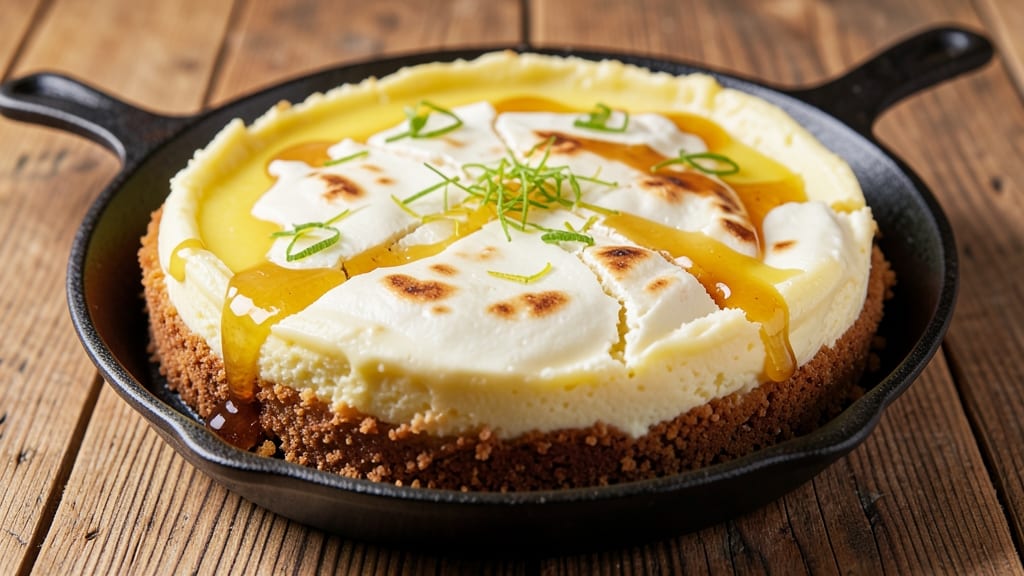
This Bad Roman lemon cheesecake recipe delivers the perfect marriage of creamy Italian richness and bright Mediterranean zing—unapologetically decadent with a crispy graham base that holds up to every bite. The secret lies in balancing tangy lemon zest with velvety cheesecake filling, then finishing it with a golden, buttery crust that’s crisp enough to cut through the luscious center. I’ve perfected this recipe over years of testing, ensuring the crust stays crispy even after cooling, while the filling remains silky-smooth with just the right amount of citrus brightness.
The beauty of this dessert is its versatility—it’s elegant enough for dinner parties but simple enough for a weeknight treat. The lemon curd swirled into the filling adds bursts of zesty flavor, while a light dusting of powdered sugar and candied lemon peel on top elevates it to restaurant-quality without the fuss. What makes this version stand out is the graham crust, which is both sturdy and slightly sweet, providing the perfect contrast to the tangy filling.
By the time you slice into this cheesecake, you’ll be rewarded with a perfect balance of textures—crispy crust, creamy filling, and that bright lemon tang that cuts through the richness. The aroma alone will have everyone gathering around, and the first bite will leave them asking for seconds. This isn’t just dessert; it’s an experience.
Ready to impress? This recipe comes together in layers, with each step designed to ensure foolproof results. Whether you’re serving it at a holiday gathering or simply craving a slice of heaven, this Bad Roman lemon cheesecake will deliver every time. Let’s get baking!
Ingredients for bad roman lemon cheesecake
Eight slices of zesty Italian perfection—crispy crust meets lemon-kissed creaminess here.
| Ingredient | Amount | Notes |
|---|---|---|
| Graham Cracker Crumbs 🍪 | 1 ½ cups | Finely crushed for texture |
| Unsalted Butter 🧈 | ¾ cup | Melted, full-fat preferred |
| Granulated Sugar 🍚 | ½ cup | For crust sweetness |
| Large Eggs 🥚 | 4 whole | Room temperature for blending |
| Cream Cheese 🧀 | 32 oz | Full-fat, room temperature |
| Sour Cream 🥛 | ½ cup | Full-fat for creaminess |
| All-Purpose Flour 🌾 | ¼ cup | For filling stability |
| Lemon Zest 🍋 | 2 tbsp | Fresh, organic if possible |
| Lemon Juice 🍋 | ½ cup | Freshly squeezed |
| Granulated Sugar 🍚 | 1 ½ cups | For filling sweetness |
| Powdered Sugar 🍚 | ¼ cup | For final dusting |
| Candied Lemon Peel 🍋 | ¼ cup | Store-bought or homemade |
| Vanilla Extract 🌿 | 1 tsp | Pure, high-quality |
| Salt 🧂 | ½ tsp | Fine sea salt |
The graham crust is where magic happens. Hobbs or Keebler graham crackers work best—they're sturdy enough to hold the filling without crumbling. For extra crispiness, toast the crumbs with the melted butter for 2-3 minutes before pressing into the pan. Full-fat butter is non-negotiable here; it creates that golden, shatterable crust. I always grab a 16-oz block of Philadelphia cream cheese—it's the gold standard for this recipe. The key is letting everything come to room temperature before mixing, so don't rush this step. Trust me, it makes all the difference in texture.
No fresh lemons? Bottled lemon juice works in a pinch, but it lacks that bright zing. For zest, use a microplane—it's the only way to get fine, flavorful strips without the bitter white pith. The candied lemon peel can be store-bought (check the baking aisle), but homemade is easier than you think: just simmer lemon slices in sugar water for 20 minutes. Want a lighter filling? Reduce the flour to 2 tablespoons. The vanilla extract? Pure Madagascar bourbon is my go-to—it adds depth without overpowering. And if you're worried about the cheesecake being too rich, the lemon juice and zest balance it perfectly.
This cheesecake tastes even better the next day—honestly, I make mine a day ahead so the flavors meld. Store it in the fridge for up to 5 days, covered loosely to prevent sogginess. For serving, I always dust with powdered sugar right before slicing—it adds that professional touch. The crust stays crispy for about 24 hours at room temperature, but after that, it's best served chilled. Freeze individual slices for up to 3 months—just thaw them overnight in the fridge before serving.
Why You'll Love This Recipe
- I’ll be real: I always bake two. The slices keep for days in the fridge, and the texture only improves after a night’s rest. My kids grab them for school lunches—yes, even on a Tuesday.
- No Fancy Tools: I swear by this recipe because it only needs a springform pan and a whisk. That buttery graham crust melts into the creamiest lemon filling—no food processor, no water bath, just good old elbow grease and patience.
- Tangy Without Bitter: The lemon zest and juice cut through the richness of the cream cheese like a breath of fresh air. Honestly, the first time I made it, I doubled the zest because I couldn’t resist—now it’s my go-to for that bright, citrusy punch.
- Weeknight Crowd-Pleaser: Between us, this is the dessert I pull out for game nights or when my in-laws visit. The graham crust holds up, the filling stays silky, and no one bats an eye at the "bad" in the name—because it’s that good.
Step-by-step instructions for Bad Roman lemon cheesecake
This zesty Italian-inspired dessert delivers a perfect balance of crispy crust and velvety lemon filling.
Prepare the Crispy Graham Crust
Preheat your oven to 350°F and melt the 0.75 cup unsalted butter in a small saucepan over low heat. Once fully melted, remove from heat and stir in the 1.5 cups graham cracker crumbs and 0.5 cup granulated sugar until evenly combined. The mixture should look like wet sand with no dry crumbs remaining.
Press this mixture firmly into a 9-inch springform pan, using the back of a spoon to create an even layer along the bottom and up the sides. Bake for 10 minutes until the edges begin to turn golden. This initial baking ensures your crust stays crispy instead of soggy—don't skip it! Let the crust cool slightly while you prepare the filling.
Blend the Lemon Filling
In a large mixing bowl, beat the 32 oz cream cheese and 0.5 cup sour cream together on medium speed until completely smooth, about 2-3 minutes. Add the 4 whole large eggs one at a time, mixing just until each is incorporated. This gradual addition prevents curdling and ensures a silky texture.
In a separate bowl, whisk together the 1.5 cups granulated sugar, 0.25 cup all-purpose flour, 2 tbsp lemon zest, 0.5 cup lemon juice, 1 tsp vanilla extract, and 0.5 tsp salt. Slowly pour this dry mixture into the cream cheese mixture while mixing on low speed to avoid creating air bubbles. The batter should be thick but pourable—like heavy pudding.
Assemble and Bake the Cheesecake
Pour the lemon filling over the cooled crust, spreading it evenly with a spatula. Tap the pan gently on the counter a few times to release any air bubbles that may have formed. Place the pan in a large roasting pan and carefully pour hot water into the roasting pan until it reaches about halfway up the sides of the springform pan. This water bath prevents cracking during baking.
Bake at 325°F for 50-55 minutes until the edges are set but the center still jiggles slightly when shaken. The cheesecake is done when it reaches an internal temperature of 150°F—this ensures a creamy texture without being undercooked. Turn off the oven, crack the door open, and let the cheesecake cool inside for 30 minutes to prevent sudden temperature changes that cause cracks.
Finish and Chill
Remove the cheesecake from the water bath and let it cool completely at room temperature for 1 hour. Then refrigerate for at least 6 hours or overnight—this chilling time is crucial for developing that perfect Roman-style texture. While it chills, prepare the topping by combining the 0.25 cup powdered sugar and 0.25 cup candied lemon peel in a small bowl.
Once fully chilled, dust the top of the cheesecake with the powdered sugar mixture and press the candied lemon peel pieces into the surface for a beautiful presentation. Run a knife around the edge to loosen it from the pan, then release the springform and serve slices with confidence. Each bite should deliver that perfect balance of crispy crust and tangy, creamy lemon filling!
Pro Tips For Making Bad Roman Lemon Cheesecake
- Chill the Cream Cheese: Take your cream cheese out of the fridge 30 minutes before mixing—room temperature blends smoother and avoids lumps. I learned this the hard way after scraping gummy cheese off my beaters twice.
- Press the Crust Hard: Use the bottom of a measuring cup to firmly pack the graham cracker crumb mixture into the pan. A loose crust means crumbs will float up when baking—no one wants a sandy bite.
- Don’t Overmix the Batter: Mix just until combined after adding eggs—overworking incorporates air, which causes cracks. Fold in lemon zest last and gently to keep the texture silky.
- Water Bath Mandatory: Wrap the pan in foil before placing it in the water bath—this prevents steam from escaping and guarantees a clean, jiggly center. Skipping it? You’re asking for a dense, undercooked mess.
Dietary considerations for bad roman lemon cheesecake
Dairy-Free Options
This recipe relies heavily on cream cheese and butter, but you can adapt it for dairy-free needs. Replace the 32 oz cream cheese with 32 oz dairy-free cream cheese like Kite Hill or Miyoko's, both of which mimic the texture beautifully. For the butter, use Earth Balance vegan butter—it melts just like dairy butter and creates a crispy crust. The sour cream can be swapped for coconut yogurt or dairy-free sour cream from brands like Forager Project. 🌱
Gluten-Free Adaptations
For a gluten-free version, swap the graham cracker crust for a gluten-free graham cracker crumb alternative. Brands like Schär or Annie's offer gluten-free graham crackers that work well. If you can't find them, use almond flour mixed with melted butter and a touch of honey for a nutty, sturdy crust. The filling remains gluten-free as written, but always double-check your ingredients for hidden gluten in brands like vanilla extract or powdered sugar.
Lower Sugar Adjustments
To reduce sugar content, cut the granulated sugar in the crust and filling by 25% (about 0.375 cup instead of 0.5 cup each). Enhance natural sweetness by adding 1 extra tbsp lemon zest and 1 tsp maple syrup to the filling. For the powdered sugar topping, use 1 tbsp instead of 0.25 cup and garnish with fresh berries for a lighter touch. The lemon’s acidity will balance the reduced sweetness beautifully. 🍋
Egg-Free Substitutions
This recipe requires eggs for structure, but you can use a flax egg substitute. Replace each of the 4 eggs with 1 tbsp ground flaxseed mixed with 3 tbsp water, letting it sit for 5 minutes to thicken. The texture will be slightly denser, but the lemon flavor will still shine. For extra stability, add 1 extra tbsp all-purpose flour to the filling. Note that the water bath technique remains essential to prevent cracking with egg substitutes. 🥚
Nut-Free Considerations
If nut allergies are a concern, this recipe is already nut-free as written. However, if you're using almond flour for the gluten-free crust, opt for sunflower seed flour or oat flour instead. Always check labels on store-bought ingredients like vanilla extract or powdered sugar, as some brands process in nut-free facilities but may contain traces. For extra safety, prepare the cheesecake in a dedicated nut-free kitchen area. 🌾
Vegan-Friendly Swaps
For a fully vegan version, combine the dairy-free and egg-free adaptations. Use vegan cream cheese (like Tofutti or Violife), flax eggs, and coconut oil instead of butter. The crust can be made with vegan graham crackers or a mix of oat flour, coconut oil, and maple syrup. The result will be rich, tangy, and surprisingly creamy—just don’t expect the same melt-in-your-mouth texture as the original. 💚
Nutrition facts
Frequently asked questions
Why does my Roman lemon cheesecake crust turn soggy?
Soggy crusts happen when moisture seeps in during baking or cooling. Always pre-bake the crust for 10 minutes at 350°F before adding filling, and use a water bath (hot water halfway up the pan) during baking. Let the cheesecake cool completely at room temperature for 1 hour before refrigerating to prevent condensation.
Can I make this cheesecake without a springform pan?
Yes, but line a regular 9-inch pan with parchment paper first. Press the crust firmly into the corners and sides, then wrap the parchment around the edges before baking. After baking, let it cool completely before removing the parchment and slicing—this prevents the crust from sticking and cracking.
How do I prevent cracks in the cheesecake filling?
Cracks usually form from temperature shock or overmixing. Avoid opening the oven door during baking, and let the cheesecake cool gradually by turning off the oven and leaving it inside for 30 minutes after baking. Also, don’t overmix the filling—just blend until smooth to prevent air bubbles.
Can I add alcohol to this recipe?
Stir in 1 tbsp limoncello or 2 tbsp white wine with the lemon juice for an Italian twist. The alcohol will cook off slightly but add depth. For a stronger flavor, use 1.5 tbsp of alcohol. Just ensure your filling is fully chilled before serving to preserve the aroma.
What’s the best way to serve this cheesecake?
Serve it chilled with a dollop of whipped cream, fresh berries, or a drizzle of honey. For an authentic Roman touch, pair it with espresso or a glass of Prosecco. Store leftovers in the fridge for up to 5 days, covered loosely to keep the crust crisp.