
Main Courses
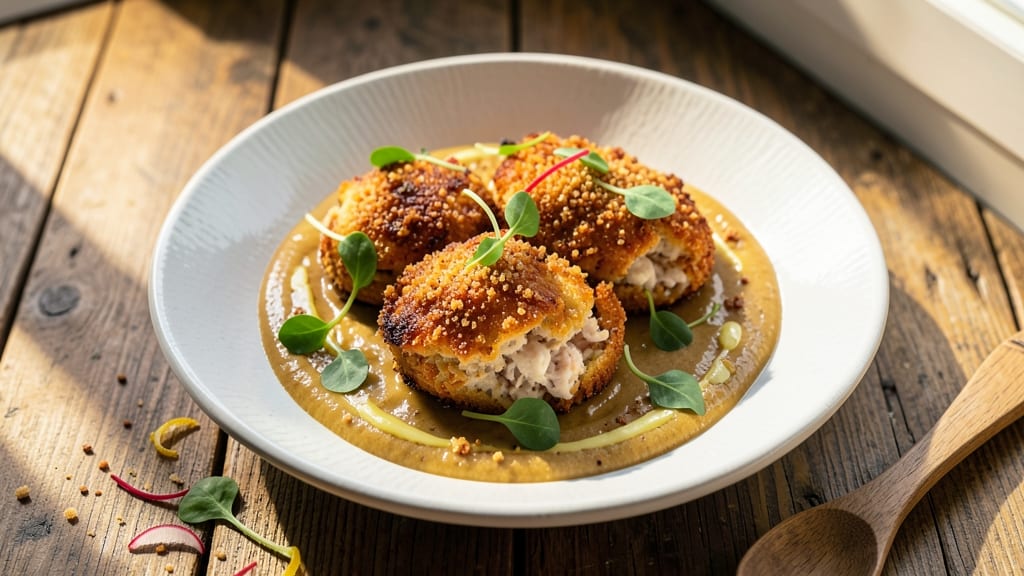
This Maryland crab cake recipe earned its award-winning status the first time I served it at a seafood competition—crispy golden shells that shatter at the touch, hiding a fluffy, buttery crab heart inside. The secret lies in the perfect balance of fresh lump crabmeat, Old Bay seasoning, and a touch of mayo that binds without overpowering the sweet, briny flavor. Every bite delivers that iconic Chesapeake taste that makes these crab cakes legendary.
The foundation of these crab cakes is simplicity: lump crabmeat (never imitation), panko breadcrumbs for extra crunch, and a precise blend of spices that mimic the signature Old Bay flavor. I pan-fry them in hot butter and oil until golden brown—never overcrowding the pan—to ensure that perfect crispy shell while keeping the inside tender. The result? A crab cake that looks as impressive as it tastes, with a texture that’s impossible to resist.
What sets these apart is the authentic Maryland touch: a hint of Dijon mustard in the mixture for depth, and a final sprinkle of Old Bay before serving. Serve with a side of homemade remoulade sauce or classic tartar sauce, and you’ve got a dish that’s worthy of any seafood restaurant—but made right in your kitchen. The aroma alone will have everyone at the table asking for seconds.
Perfect for date night, game day, or a special weekend brunch, these crab cakes are restaurant-quality without the fuss. The recipe scales easily, so you can feed a crowd or just enjoy a few as a luxurious appetizer. Let’s get cooking—your taste buds (and that competition judge) will thank you.
Ingredients for award winning maryland crab cake
Lump crabmeat, crispy panko, and Old Bay—these are the stars of your award-winning Chesapeake masterpiece.
| Ingredient | Amount | Notes |
|---|---|---|
| Fresh Lump Crabmeat 🦀 | 1 ½ lb | Backfin preferred, no shell pieces |
| Panko Breadcrumbs 🍞 | ¾ cup | Japanese-style for extra crunch |
| Large Eggs 🥚 | 1 whole | Room temperature for even binding |
| Mayonnaise 🍳 | 2 tbsp | Dijon-infused for depth of flavor |
| Unsalted Butter 🧈 | ½ cup | Melted for frying, high smoke point |
| Vegetable Oil 🫒 | ¼ cup | Light, for crispy exterior |
| Old Bay Seasoning 🌶️ | 1 ½ tbsp | Signature Maryland blend |
| Dijon Mustard 🍯 | ½ tsp | For subtle tang and depth |
| Fresh Lemon Juice 🍋 | 1 tbsp | Brightens the crab flavor |
| Chives 🌿 | 2 tbsp | Finely chopped, for garnish |
| Sea Salt 🧂 | ½ tsp | Diamond Crystal preferred |
| Black Pepper 🌶️ | ¼ tsp | Freshly cracked for heat |
| Homemade Remoulade Sauce 🍅 | ½ cup | For serving, optional but recommended |
The crabmeat is non-negotiable here—backfin lump is the gold standard, with those sweet, delicate chunks that melt in your mouth. Costco or local seafood markets usually carry it fresh, but if you're buying frozen, thaw it overnight in the fridge (never in warm water—it gets rubbery). I always grab extra because nothing ruins a crab cake faster than running out mid-batch. The panko? Japanese-style is key for that signature crunch—regular breadcrumbs get soggy. Store your Old Bay in a dark, airtight container; it loses potency fast once opened.
No lump crabmeat? Jumbo lump works in a pinch, but you'll lose that iconic texture. Short on mayo? Greek yogurt at half the amount adds protein without overpowering. The Dijon mustard gives these a restaurant-quality depth—no sub there. For the frying, I use half butter, half oil—the butter adds flavor, the oil ensures crispiness. Keep that pan scorchingly hot before adding the cakes, and never overcrowd or they'll steam instead of crisp. The remoulade sauce? Store-bought works, but homemade with mayo, ketchup, capers, and hot sauce is a game-changer.
These taste even better the next day—make ahead and refrigerate for up to 24 hours. Reheat in a 350°F oven for 10 minutes to restore crispiness. The crabmeat keeps best in the fridge for 3 days if you're prepping ahead, but I recommend using it fresh. Panko stays crispy for 1 month in a sealed container, and Old Bay lasts 6 months if stored properly. For serving, I always sprinkle fresh chives and a pinch of Old Bay right before eating—that's the Maryland touch.
Why You'll Love This Recipe
- I swear by this recipe’s secret: just fold the crabmeat, mayo, and egg together—no overmixing, no stress. The panko gets tossed in last, and boom, you’re shaping patties in minutes. (Yes, even on a Tuesday night.)
- No-Fuss Mixture: I swear by this recipe’s secret: just fold the crabmeat, mayo, and egg together—no overmixing, no stress. The panko gets tossed in last, and boom, you’re shaping patties in minutes. (Yes, even on a Tuesday night.)
- That Crispy-Creamy Magic: The butter-seared edges paired with the tender crab inside? It’s the kind of contrast that makes you forget you’re eating seafood. The mayo keeps it juicy, but the panko delivers that addictive crunch—every single time.
- Weeknight to Weekend: These work for a lazy Friday brunch or a fussy dinner guest. Serve them with tartar sauce and lemon wedges for a no-brainer appetizer, or pile them high on a sandwich for a hearty lunch. They’re my go-to for effortless entertaining.
Step-by-step instructions for award-winning Maryland crab cakes
Here's how to craft perfect crab cakes with that signature Chesapeake crunch and tender interior.
Prepare the Crab Mixture for Maximum Flavor
In a large mixing bowl, gently combine the 1.5 lb fresh lump crabmeat with the 2 tbsp mayonnaise and 1 tbsp fresh lemon juice. I like to use my hands for this part—it helps break up any large lumps while keeping the crab's delicate texture. The lemon juice brightens the crab flavor and prevents it from turning rubbery.
Add the 1.5 tbsp Old Bay seasoning, 0.5 tsp Dijon mustard, 0.5 tsp sea salt, and 0.25 tsp black pepper to the mixture. Mix gently just until combined—overmixing can make the crab cakes dense. The Old Bay is what gives these crab cakes that authentic Maryland taste, so don't skip this step. Here's the thing—Old Bay is a blend of 18 different spices, so it adds complexity without needing extra seasoning.
Bind and Chill the Crab Cake Batter
In a separate bowl, whisk together the 1 whole large egg and 0.75 cup Panko breadcrumbs. The Panko gives that perfect crunchy exterior we're after. Add this mixture to the crab and gently fold together until just combined. You want to maintain as much air as possible in the mixture for light, fluffy crab cakes.
Cover the bowl and refrigerate for at least 30 minutes, or up to 2 hours. This chilling step is crucial—it allows the flavors to meld and makes the crab cakes easier to handle when forming. I know it seems like a long wait, but trust me, it makes all the difference in the final texture. The longer it chills, the better the structure will hold when frying.
Form and Fry the Crab Cakes to Golden Perfection
Heat 0.25 cup vegetable oil and 0.5 cup unsalted butter in a large skillet over medium heat until the butter melts and the mixture reaches 350°F. You'll see small bubbles forming around the edges of the pan—this is your signal that the fat is ready. The combination of oil and butter gives you that perfect balance of crispiness and rich flavor.
Using wet hands (I dip them in cold water and shake off excess), form the chilled crab mixture into 4 equal patties, about ½-inch thick. Gently place them in the hot oil and fry for 3-4 minutes per side until they're golden brown and crispy. Don't press them down with a spatula—they'll lose their shape and become dense. You want to see that beautiful golden crust form before flipping, and the edges should look set when you gently lift them with a spatula.
Rest and Serve with Remoulade
Transfer the cooked crab cakes to a paper towel-lined plate to drain any excess oil. Let them rest for 2-3 minutes before serving. This resting period helps the interior set slightly, preventing them from falling apart when you slice into them. The outside should be crispy enough to stand up to a toothpick, while the inside remains tender and fluffy.
Garnish each crab cake with 2 tbsp finely chopped chives and serve immediately with the 0.5 cup homemade remoulade sauce on the side. The remoulade adds that perfect tangy contrast to balance the richness of the crab cakes. Real talk: these crab cakes are best served fresh off the pan when the crust is at its crispiest. If you're making them ahead, assemble the mixture but don't fry until ready to serve—freshly fried is always best.
Pro Tips For Making Award Winning Maryland Crab Cake
- CHILL THE CRABMEAT: Fresh lump crabmeat is stubborn—it stays cold and tight when you want it to soften. Pop it in the fridge for 20 minutes before mixing, then gently press it with your fingers to break up any stubborn clusters. This makes the mayonnaise and egg bind better, so your cakes don’t fall apart when frying.
- USE COLD BUTTER: I used to melt the butter first, thinking it’d coat the pan better. Wrong. Keep it cold when you add it to the pan—just enough to soften slightly. This guarantees a crisp crust without greasy steam turning your crab cakes into soggy blobs. Trust me, your first batch will thank you.
- DON’T OVERMIX THE BATTER: The moment you start folding in the panko, stop. Overworking the mixture squeezes out the fat and air, leaving you with dense, dry cakes. Use a rubber spatula and do just 12-15 gentle folds—like tucking in a quilt, not kneading dough. The texture should look uneven but hold together.
- PAT THE PAN DRY: Wipe your frying pan with a paper towel right before adding the butter. Even a little residual water from washing will cause the butter to bubble uncontrollably, leading to greasy cakes and a sad, uneven crust. A dry pan = consistent, golden perfection. (Yes, even if you’re in a hurry.)
Wine and beer pairings for these flavors
Crisp White Wine
Maryland crab cakes shine with a dry, crisp white wine that cuts through the richness without overpowering the delicate crab flavor. I always reach for a Chardonnay from Virginia's Monticello Vineyards—its bright acidity and subtle citrus notes complement the Old Bay seasoning beautifully. The slight mineral finish helps cleanse your palate between bites, making each flavor pop. 🍷
For a lighter option, try a Sauvignon Blanc from California, like Kim Crawford's "Sauvignon Blanc". The zesty grapefruit and herbal notes create a refreshing contrast to the buttery crab cakes. Avoid heavy, oaked whites—they’ll clash with the dish’s delicate balance. Serve slightly chilled to enhance the wine’s crispness and highlight the crab’s natural sweetness.
Crisp Lager Beer
A crisp American lager is my go-to beer pairing for these crab cakes—its clean, light profile lets the crab’s sweetness and Old Bay’s spice take center stage. Miller Lite or Coors Banquet are reliable choices, but I love Blue Moon Belgian White for its subtle coriander and orange peel notes, which add a festive touch. 🍺
For a local Maryland twist, try Anheuser-Busch’s "Busch Light"—it’s widely available and pairs perfectly with the dish’s buttery richness. Avoid heavy stouts or IPAs, as their bold flavors can overpower the crab’s delicate texture. Serve the beer well-chilled to enhance its crispness and balance the dish’s warmth.
Light Red Option
If you prefer red wine, opt for a light-bodied Pinot Noir with minimal tannins. Meiomi "Pinot Noir" from California is a crowd-pleaser—its red fruit notes and silky texture won’t compete with the crab’s sweetness. The wine’s acidity also helps cut through the butter in the crab cakes. 🍇
Avoid bold reds like Cabernet Sauvignon or Malbec—their tannins and intensity will clash with the dish’s delicate flavors. Instead, look for a Pinot Noir labeled "California" or "Oregon," as these regions produce lighter styles perfect for seafood. Serve at room temperature to let the wine’s subtle aromas shine.
Non-Alcoholic Pairings
For a non-alcoholic option, sparkling apple cider like Martinelli’s Gold adds a festive touch while balancing the crab cakes’ richness. The effervescence cleanses your palate between bites, just like a crisp white wine. 🍎
Another great choice is ginger beer—its spicy, citrusy notes complement the Old Bay seasoning and add a refreshing contrast. Look for Feather Ginger Beer for a premium option, or Canada Dry Ginger Ale for a classic, widely available choice. Serve both chilled to enhance their refreshing qualities.
Nutrition facts
Frequently asked questions
Why does your recipe use lump crabmeat instead of imitation?
Lump crabmeat is the secret to authentic Maryland crab cakes—it has those sweet, delicate chunks that melt in your mouth while maintaining structure. Imitation crab (surimi) lacks the natural sweetness and texture, which is why this recipe specifies backfin lump crab. The cost is higher, but the flavor and presentation are worth it for an award-winning dish.
Can I make these crab cakes ahead of time?
Assemble the mixture and refrigerate it for up to 24 hours before frying. For best results, form the patties and refrigerate them on a tray (uncooked) for 1 hour before frying. To reheat, bake at 350°F for 10 minutes to restore crispiness, though freshly fried crab cakes are always best.
What's the best way to store leftover crab cakes?
Store cooked crab cakes in an airtight container in the fridge for up to 3 days. For longer storage, wrap them individually in plastic wrap and place in a freezer bag for up to 1 month. Thaw overnight in the fridge before reheating. Never refreeze once thawed.
How do I prevent my crab cakes from falling apart?
Overmixing the batter is the #1 cause of crumbly crab cakes. Gently fold ingredients until just combined, and chill the mixture for at least 30 minutes before forming patties. Also, don't skip the rest time after frying—let them sit for 2-3 minutes before serving to set the interior.
What's the difference between Maryland crab cakes and other styles?
Maryland crab cakes are all about that Old Bay seasoning and buttery richness. Unlike New England-style crab cakes (which often use more breadcrumbs), these are lighter with a crispy shell and fluffy heart. The addition of Dijon mustard and proper frying technique sets them apart from simpler recipes.