
Desserts
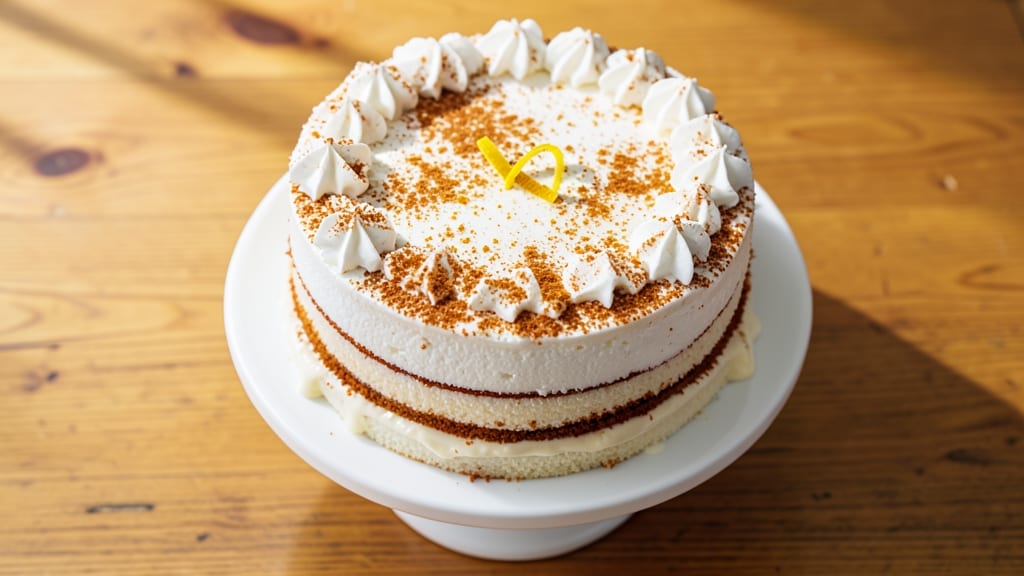
This authentic Puerto Rican tres leches cake recipe brings the island's beloved dessert tradition to your kitchen with spiced rum-infused layers and a toasted coconut crunch topping. The secret lies in balancing three milks—evaporated, condensed, and heavy cream—for that signature moist texture, while rum and cinnamon add depth that sets it apart from other versions. I’ve perfected this recipe over years of baking, ensuring every slice delivers the perfect harmony of sweetness and warmth.
The cake’s magic starts with tender, lightly spiced layers soaked in the tres leches mixture, which transforms into a velvety custard-like center. Traditional Puerto Rican touches like coconut flakes and a hint of vanilla extract elevate it beyond basic recipes, while the toasted coconut topping adds a satisfying crunch that contrasts beautifully with the soft sponge. This isn’t just dessert—it’s a taste of home, often served at celebrations and family gatherings.
What makes this recipe truly authentic is the attention to detail: the slow soaking process, the careful balance of spices, and the final touch of toasted coconut that gives it that island flair. Each bite offers a symphony of textures—creamy, spiced, and slightly crunchy—paired with the comforting aroma of cinnamon and rum. Whether you’re baking for a special occasion or simply craving a taste of Puerto Rico, this cake delivers restaurant-quality results at home.
Ready to recreate this classic? The steps are straightforward, but the payoff is worth every minute. From mixing the spiced rum cake batter to assembling the layers and toasting the coconut, each phase builds toward a dessert that’s as impressive to serve as it is delicious to eat. Let’s get started on this timeless recipe.
Ingredients for authentic puerto rican tres leches cake
Twelve ingredients transform into Puerto Rico's iconic dessert—moist layers soaked in rum-infused milk.
| Ingredient | Amount | Notes |
|---|---|---|
| All-Purpose Flour 🌾 | 2 ½ cups | Sifted for even texture |
| Granulated Sugar 🍚 | 2 cups | White or light brown |
| Unsalted Butter 🧈 | 1 cup | Softened to room temperature |
| Large Eggs 🥚 | 4 whole | Room temperature |
| Vanilla Extract 🌸 | 2 tsp | Pure vanilla preferred |
| Ground Cinnamon 🌿 | 1 tsp | Freshly ground for aroma |
| Spiced Rum 🍹 | ½ cup | 180-proof or higher |
| Evaporated Milk 🥛 | 12 oz | Full-fat preferred |
| Sweetened Condensed Milk 🥛 | 14 oz | Unopened can for freshness |
| Heavy Cream 🥛 | 1 cup | Cold for best whipping |
| Unsweetened Shredded Coconut 🥥 | 1 ½ cups | Freshly toasted |
| Vanilla Bean Paste 🌸 | 1 tsp | For enhanced flavor |
| Salt 🧂 | ½ tsp | Fine sea salt |
The evaporated and condensed milk are non-negotiable for that signature texture. Grocery store brands work fine, but Goya or La Preferida (found in Latin markets) elevate the flavor. For the spiced rum, Bacardi or Don Q are classic choices—just avoid flavored varieties. The coconut should be unsweetened and toasted until golden (about 5 minutes in a dry pan) for that perfect crunch. Freshly ground cinnamon makes all the difference here—pre-ground loses its aroma quickly, so invest in a small grinder if you bake often.
No spiced rum? Dark rum at half the amount works in a pinch, or swap for 1 teaspoon of cinnamon plus 1 teaspoon of vanilla extract if you're avoiding alcohol entirely. For the milk mixture, heavy cream can be replaced with coconut cream for a dairy-free version, though the texture will differ slightly. The vanilla bean paste is worth the splurge—it gives a more complex flavor than regular extract. If you can't find it, double the vanilla extract and add a pinch of cinnamon. The butter should be softened but not melted—this ensures tender layers rather than dense ones.
Store any leftover cake in an airtight container in the fridge for up to 5 days, though it's best enjoyed within 2 days for optimal texture. The toasted coconut can be prepped ahead and stored in a sealed container for 1 week—just toast it again briefly before using. This cake freezes beautifully for up to 3 months, though the texture may become slightly denser after thawing. For serving, a dusting of cocoa powder or extra toasted coconut adds a professional touch.
Why You'll Love This Recipe
- I’ll be real: most tres leches cakes dry out fast. Not this one. The evaporated milk keeps it tender, and the condensed milk adds that caramelized sweetness that only gets better over time. I’ve had slices from Day 3, and they’re still better than store-bought cake. Plus, it’s budget-friendly—you’re not using rare ingredients, just pantry staples and a little patience. Win-win.
- No-Fuss Layers: Honestly, the sponge cake part is just a basic vanilla base—mix flour, sugar, butter, and eggs like you would for any cake, then fold in that vanilla. The magic happens after, when you pour the tres leches soak (evaporated milk, condensed milk, heavy cream) right over it. No piping, no fuss—just let gravity do the work while you sip your café con leche.
- Creamy Dream Combo: That first bite? The buttery cake soaks up the rich, sweet milk mixture until it’s moist but not soggy, and the vanilla ties it all together in the best way. It’s not too heavy, not too light—just right, like a hug from your abuela after a long day. Plus, the cinnamon sprinkle on top? Pure Puerto Rican soul.
- Birthday to Brunch: Between us, this cake is my go-to for anything. Need a showstopper for a birthday? Done. Craving dessert after Thanksgiving leftovers? Still works. Even my picky teen niece asks for seconds when I bring it to family gatherings. The best part? It tastes fresh for days, so you’re covered whether you’re feeding a crowd or just me and my Sunday morning plans.
Step-by-step instructions for authentic Puerto Rican tres leches cake
Here's the traditional method that delivers that signature rum-soaked moisture and coconut crunch.
Bake the Cake Layers
Preheat your oven to 350°F. Grease three 9-inch round cake pans and line the bottoms with parchment paper. In a large mixing bowl, combine the 2.5 cups all-purpose flour, 2 cups granulated sugar, 1 tsp ground cinnamon, and 0.5 tsp salt. Whisk until evenly distributed.
In a separate bowl, beat the 1 cup softened unsalted butter until smooth. Add the 4 whole large eggs one at a time, mixing well after each addition. Blend in the 2 tsp vanilla extract and 1 tsp vanilla bean paste. Gradually incorporate the dry ingredients into the wet mixture, mixing on low speed until just combined. Divide the batter evenly among the prepared pans.
Bake for 25-30 minutes or until a toothpick inserted in the center comes out clean. Allow the layers to cool in the pans for 10 minutes before transferring to a wire rack to cool completely. The cake should be tender but not crumbly—this texture is essential for proper soaking.
Prepare the Rum-Coconut Mixture
In a medium bowl, combine the 12 oz evaporated milk, 14 oz sweetened condensed milk, and 1 cup cold heavy cream. Whisk until smooth and set aside. In a small saucepan, gently heat the 0.5 cup spiced rum over low heat until warm (do not boil). Remove from heat and stir in the 1.5 cups unsweetened shredded coconut.
Allow the coconut mixture to steep for 5 minutes so the rum infuses the coconut's flavor. The mixture should be warm but not hot—this helps the rum penetrate the cake layers more effectively. Keep both mixtures at room temperature for even soaking.
Assemble and Soak the Cake
Place one cake layer on a serving plate. Pour half of the milk mixture evenly over the layer, allowing it to absorb for 5 minutes. The cake should be saturated but not soggy—this ensures proper texture. Repeat with the remaining two layers and the remaining milk mixture.
Once all layers are soaked, carefully pour the warm rum-coconut mixture over the top layer. Use a fork to gently press the mixture into the cake, ensuring even distribution. Let the cake soak for 15 minutes at room temperature before refrigerating.
Chill and Serve
Cover the cake with plastic wrap and refrigerate for at least 4 hours or overnight. This chilling time is crucial for the flavors to meld and the cake to develop its signature moist texture. The cake should be completely chilled before serving.
To serve, slice with a sharp knife that has been dipped in hot water and wiped dry—this ensures clean cuts through the moist layers. The cake should have a tender, slightly spiced crumb with pockets of rum-soaked cream and coconut crunch throughout. Garnish with additional toasted coconut if desired.
Pro Tips For Making Authentic Puerto Rican Tres Leches Cake
- Bake Until Springy: I learned this the hard way—poking the cake with a toothpick and calling it done too early. For Tres Leches, pull it when the center springs back just slightly when pressed, not when it’s fully set. The cake needs to stay tender for soaking, and overbaking turns it into a sponge instead of a moist cloud. If you’re nervous, underbake by 2-3 minutes and let it cool in the pan.
- Chill the Cake First: This isn’t the prettiest method, but it’s the tastiest. After baking, let the cake cool completely in the pan (about 15 minutes), then transfer to a wire rack. Pop it in the fridge for at least 2 hours before pouring the leche mixture—no exceptions. Cold layers soak better, and skipping this step means a soggy bottom and a cake that falls apart when sliced. (Yes, even if you’re impatient like me.)
- Use Room-Temp Eggs: Cold eggs from the fridge will curdle your batter faster than you can mix, and no one wants lumpy Tres Leches. Take your eggs out of the fridge 30 minutes before mixing—just set them in a bowl of warm water if you’re really pressed for time. Smooth batter = even texture, and that’s non-negotiable for this cake.
- Measure Butter by Weight: I was skeptical until I tried it: using a scale for the butter (225g for this recipe) guarantees consistency every time. Packed cups of butter vary wildly, and you’ll end up with a cake that’s either dense or greasy. If you’re eyeballing it, at least press it into the measuring cup firmly—no air gaps. The butter’s job is to keep this cake tender, not to turn it into a brick.
Perfect pairings for this authentic puerto rican tres leches cake
Coffee Pairings
Puerto Rican tres leches cake pairs beautifully with medium-roast coffee like Café Con Leche or Café con Miel, which complement the cake’s cinnamon and rum notes. I recommend a dark roast from Puerto Rico, such as Café San Juan, served in small espresso cups to balance the dessert’s richness. The coffee’s bitterness cuts through the sweetness, creating a perfect harmony. ☕
Creamy Liquor Accompaniments
For an adult touch, serve with coquito—Puerto Rico’s signature eggnog-like drink made with rum, coconut milk, and cinnamon. The warm spices mirror the cake’s flavors while adding a creamy contrast. Another great option is dark rum like Bacardi 8-Year served neat or over ice, as its caramel notes enhance the rum-soaked layers. 🍹
Fresh Fruit Contrasts
Add a bright contrast with mango slices or guava paste drizzle—both are staples in Puerto Rican cuisine. The tropical acidity balances the cake’s sweetness, while the guava’s floral notes elevate the rum and coconut flavors. For extra flair, serve with passion fruit sauce on the side. 🍈
Dessert Wine Options
If you prefer wine, a sweet Moscato d’Asti or Port wine works wonderfully. The effervescence of Moscato cleanses the palate between bites, while the rich, fruity notes of Port mirror the cake’s caramelized sugar. Avoid dry wines—they’ll clash with the dessert’s sweetness. 🍷
Creamy Cheese Plating
For a savory-sweet contrast, serve with queso de hoja (Puerto Rican fresh cheese) or queso de freír (fried cheese). The salty, tangy cheese pairs surprisingly well with the cake’s sweetness, adding a local touch. Garnish with toasted coconut flakes to tie everything together. 🧀
Nutrition facts
Frequently asked questions
Why does this recipe use spiced rum instead of regular rum?
The spiced rum adds depth and warmth that regular rum can't match. It contains cinnamon, cloves, and other spices that complement the cake's vanilla and coconut flavors, creating that authentic Puerto Rican taste. For a non-alcoholic version, use 1 teaspoon cinnamon plus 1 teaspoon vanilla extract.
Can I make this cake in a different pan size?
Yes, but adjust baking time and layer thickness. For 8-inch pans, bake for 20-25 minutes and use 2 layers instead of 3. The key is tender layers that absorb the milk mixture well—never let them dry out. Use a toothpick test to check doneness.
How do I prevent the cake from becoming soggy?
Don't over-soak the layers! Pour the milk mixture gradually and let each layer absorb for exactly 5 minutes before adding the next. Also, ensure your cake layers are fully cooled before assembly. The 4-hour refrigeration is critical for proper texture.
What's the best way to store leftovers?
Keep it in an airtight container in the fridge for up to 5 days. For longer storage, freeze individual slices wrapped tightly for 3 months. Thaw overnight in the fridge—never at room temperature. The texture stays best when refrigerated.
Can I add other flavors like guava or mango?
For a tropical twist, fold 2 tablespoons guava paste into the milk mixture or top with mango slices before chilling. The acidity balances the sweetness beautifully. Just reduce the coconut slightly to maintain the classic flavor profile.