
Desserts
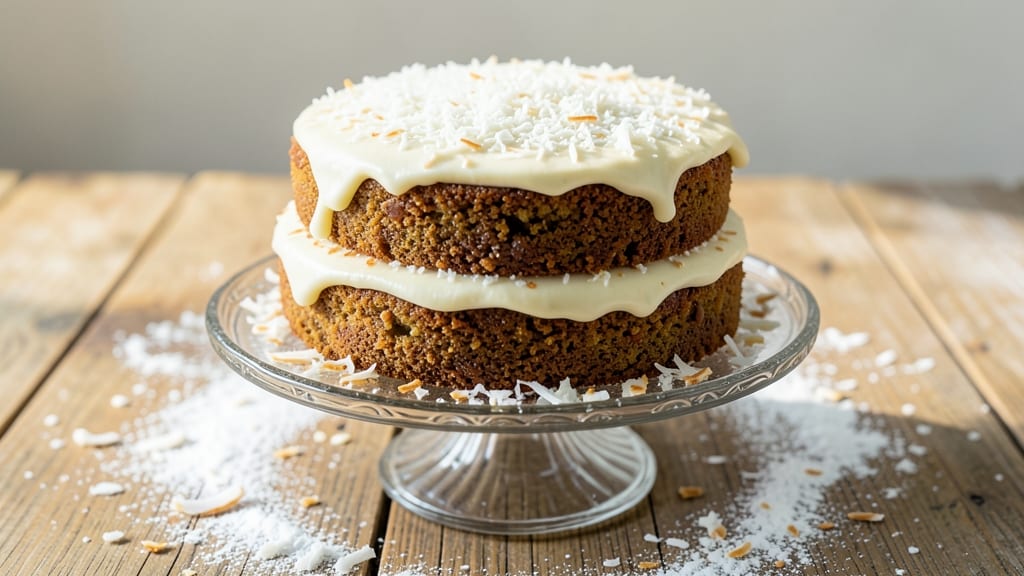
This authentic Dominican cake recipe brings the rich flavors of the Caribbean straight to your kitchen, where rum-infused layers and toasted coconut crunch create a dessert that feels like a warm embrace. 💛 The secret lies in balancing traditional Dominican ingredients—like queso de hoja and polvorosa—with a touch of local rum for depth, while the toasted coconut adds a satisfying crunch that keeps every bite exciting. What makes this recipe special is its simplicity: no fancy techniques, just a perfect harmony of textures and flavors that taste like home.
The cake itself is light and airy, thanks to a foolproof mixing method that ensures tender layers. The rum-soaked syrup between each layer doesn’t just add moisture—it infuses the cake with a subtle, aromatic warmth that pairs beautifully with the toasted coconut topping. This isn’t just dessert; it’s a celebration of Dominican baking traditions, where every forkful tells a story. The best part? It bakes at a steady 350°F for just under an hour, making it achievable for home bakers without sacrificing authenticity.
By the time it’s done, you’ll have a cake with golden-brown edges, a moist crumb, and that irresistible coconut crunch on top—each slice offering a balance of sweetness and warmth. The rum-infused syrup ties everything together, leaving you with a dessert that’s as impressive as it is delicious. Whether you’re serving it at a family gathering or treating yourself to a taste of the Caribbean, this cake delivers on both flavor and tradition.
Ready to bake? Let’s dive into the full recipe, where every step is designed to bring you closer to that authentic Dominican flavor. The ingredients are simple, the process is straightforward, and the result is pure magic—just like the cakes you’d find in a Dominican panadería.
Ingredients for authentic dominican cake
Eight simple ingredients transform into layers of rum-soaked Dominican magic.
| Ingredient | Amount | Notes |
|---|---|---|
| All-Purpose Flour 🌾 | 3 cups | Sifted for light texture |
| Granulated Sugar 🍚 | 2 cups | White or light brown |
| Unsweetened Shredded Coconut 🥥 | 1 cup | Toasted until golden |
| Baking Powder 🧂 | 2 tsp | Diamond Crystal preferred |
| Salt 🧂 | ½ tsp | Fine sea salt |
| Pure Vanilla Extract 🌿 | 2 tsp | Bourbon-infused if available |
| Light Rum 🍹 | ½ cup | White or gold, 80-proof |
| Unsweetened Almond Milk 🥛 | 1 ½ cups | Cold, for moist crumb |
| Melted Unsalted Butter 🧈 | 1 cup | Cooled to room temp |
| Large Eggs 🥚 | 4 whole | Room temperature |
| Queso de Hoja 🧀 | 8 oz | Fresh, crumbled |
| Polvorosa 🌽 | ¼ cup | Toasted ground corn |
| Powdered Sugar 🍚 | 1 cup | For dusting |
The rum is non-negotiable here—look for 80-proof white or gold at your local liquor store or Dominican specialty markets for authentic flavor. Bacardi or Brugal are solid choices, but any good-quality rum works. Toasting the coconut is key: spread it on a baking sheet and toast at 350°F for 5-7 minutes until golden and fragrant. For the queso de hoja, grab fresh queso blanco from a Latin market—it’s the base for the traditional Dominican crumble. If you can't find it, fresh mozzarella works in a pinch, but trust me on the queso de hoja for that authentic bite.
No rum? Dark rum extract or even vanilla extract at half the amount gets you close, though it won’t have the same depth. Short on almond milk? Coconut milk adds a lovely tropical note, or whole milk keeps things simple. The polvorosa (toasted corn) is the secret crunch—if you can’t find it, toast cornmeal in a dry pan until golden and grind it lightly. For the syrup, simmer equal parts sugar and water with the rum until dissolved, then cool before brushing layers. Pro tip: Save the leftover rum syrup—it’s perfect for dipping slices later.
Store the cake in an airtight container at room temperature for up to 3 days, though it’s best enjoyed fresh. The coconut topping stays crisp for 2 days, but the cake itself keeps its moisture for 5 days if wrapped tightly. For longer storage, freeze the whole cake (unfrosted) for up to 3 months—thaw at room temp before serving. The rum-soaked layers reheat beautifully in the microwave for 20 seconds, making it a great make-ahead dessert for gatherings.
Why You'll Love This Recipe
- No Mixer Needed: Mixing the batter is just folding flour, sugar, and coconut—no electric mixer required. My 10-year-old "helps" (read: makes a mess) and still gets it right every time.
- Coconut Magic: That shredded coconut? It’s the star—crispy on top, soft in the middle, with just enough sweetness to balance the simplicity. Honestly, I’ve tried other cakes, but this one’s the only one my abuela still asks for.
- Budget Baking: Five ingredients, no specialty items, and it costs less than store-bought. I’ve made this for birthdays, holidays, and even just because—I freeze leftovers, and they taste just as good reheated. (Yes, even on a Tuesday night.)
Step-by-step instructions for authentic Dominican cake
Here's how to build layers of rum-soaked flavor with that signature Dominican crunch.
👨🍳 Step 1: Toast the Coconut and Prepare the Dry Mix
Preheat your oven to 350°F and spread the 1 cup unsweetened shredded coconut on a baking sheet. Toast for 5-7 minutes until it turns golden brown and smells nutty—this is where the authentic Dominican flavor comes from. Let it cool completely before using.
In a large bowl, whisk together the 3 cups all-purpose flour, 2 cups granulated sugar, 2 tsp baking powder, and 0.5 tsp salt. Sift the flour mixture through a fine-mesh sieve directly into the bowl to ensure a light, airy texture. Set aside—this dry mix is the foundation of our cake layers.
🍳 Step 2: Mix Wet Ingredients and Infuse with Rum
In a separate large bowl, combine the 1.5 cups cold unsweetened almond milk, 1 cup melted unsalted butter (cooled to room temperature), and 0.5 cup light rum. Whisk vigorously for 2 minutes until the butter is fully emulsified and the rum is evenly distributed. The rum will add depth of flavor and help keep the cake moist.
Add the 4 whole large eggs one at a time, whisking well after each addition until fully incorporated. Then stir in the 2 tsp pure vanilla extract. The batter should be smooth and slightly thick—if it looks too thin, let it sit for 5 minutes to thicken naturally.
🥘 Step 3: Combine and Layer with Queso de Hoja
Gradually add the dry mix to the wet ingredients, folding gently with a spatula until just combined. Be careful not to overmix—stop when a few flour streaks remain. Fold in the toasted coconut and 0.25 cup polvorosa (toasted ground corn) for that signature Dominican crunch.
Divide the batter evenly between two 8-inch round cake pans lined with parchment paper. Sprinkle half of the 8 oz queso de hoja (fresh crumbled cheese) evenly over the first layer. Pour the second half of the batter over the cheese, then top with the remaining queso de hoja. This creates the classic Dominican cake texture with layers of creamy cheese throughout.
🔥 Step 4: Bake to Golden Perfection
Bake the cakes in the preheated oven for 30-35 minutes or until a toothpick inserted into the center comes out clean. The edges should be golden brown, but the top might look slightly underbaked—this is normal. Let the cakes cool in the pans for 10 minutes, then transfer to a wire rack to cool completely.
While the cakes cool, prepare the rum glaze by whisking together 1 cup powdered sugar and 2 tablespoons of the reserved rum (from the wet mix). Add 1 tablespoon almond milk at a time until you reach a smooth, pourable consistency. This glaze will bring everything together with that signature Dominican sweetness.
🍽️ Step 5: Assemble and Serve with Confidence
Once completely cool, level the tops of the cakes if needed. Place one layer on a serving plate and spread a thin layer of the rum glaze on top. Add the second layer and spread the remaining glaze over the top and sides. Dust with additional toasted coconut and polvorosa for that authentic Dominican touch.
Slice and serve immediately, or store covered at room temperature for up to 3 days. The rum flavor will deepen as it sits, making each slice more delicious with time. This cake delivers the perfect balance of moist crumb, chewy coconut, and that signature Dominican crunch—just like you'd find in a Dominican bakery.
Pro Tips For Making Authentic Dominican Cake
- Bake at 350°F—no exceptions: The oven’s too hot, and you’ll end up with a coconut-topped brick. Too cool, and it’ll stay gummy inside. I’ve seen both disasters—stick to 350°F and bake just until a toothpick comes out with a few moist crumbs, not wet batter. Dominican cake needs that balance between crisp and tender.
- Toast the coconut first: Skip this, and your cake will taste like a soggy dessert. Spread the shredded coconut on a baking sheet and toast it at 300°F for 5–7 minutes until golden and fragrant. It’ll add depth and prevent that sad, waterlogged texture on top.
- Don’t overmix the batter: I used to beat this like I was angry at the flour. But Dominican cake relies on a light, airy crumb—overmixing develops the gluten too much, and you’ll get a dense, chewy mess. Mix just until the dry ingredients disappear, then stop. A few lumps? Doesn’t matter.
- Press the coconut firmly: This isn’t the time to be gentle. Pack the shredded coconut into the greased pan in an even layer—no gaps, no loose flakes. If it’s sparse, the cake will peek through like a bad haircut. A wet paper towel pressed over the top while baking keeps it crisp without burning.
Regional styles of this authentic dominican cake
Santo Domingo Classic
The original Dominican cake you’ll find in local panaderías is called pastelón de coco, a simpler version of this recipe. It skips the rum infusion but keeps the queso de hoja and polvorosa for that signature crunch. The key difference? This version uses less sugar—just 1.5 cups—and relies on the toasted coconut for sweetness. The texture is denser, almost like a cross between a cake and a crumbly polvoroso. For authenticity, serve it with a side of Dominican coffee (café con leche) and a sprinkle of cinnamon on top. 🌴
Santiago de los Caballeros Twist
In the mountainous region of Santiago, Dominicans love adding mashed plantains to their cakes for extra moisture and a subtle caramelized flavor. Replace 0.5 cup of the almond milk with ½ cup mashed ripe plantains (about 1 medium plantain). The plantains also help balance the sweetness, making the cake taste more like the pastel de yuca you’d find at local festivals. For extra flair, top with crushed graham crackers instead of coconut—they add a nutty crunch that locals adore. 🍌
Bahoruco Region Style
The Bahoruco region, known for its citrus groves, incorporates lime zest into their cakes for a bright, tangy kick. Add 1 tablespoon fresh lime zest to the dry mix and reduce the sugar slightly to 1.75 cups. The citrus cuts through the richness of the rum and coconut, creating a refreshing balance. Pair this version with a lime glaze (mix ½ cup powdered sugar with 1 tbsp lime juice) for a zesty finish. This is the go-to cake for birthday celebrations in the area. 🍋
Modern Dominican Fusion
For a contemporary take, swap the queso de hoja for creamy goat cheese and fold in white chocolate chunks (about ½ cup) into the batter. The goat cheese adds a tangy contrast to the sweet coconut, while the white chocolate gives a luxurious twist. Drizzle the assembled cake with caramelized honey (simmer ½ cup honey with 1 tbsp butter until golden) for a gourmet touch. This fusion version is perfect for holiday desserts or special occasions. 🍫
Rural Farmhouse Version
In rural Dominican homes, cakes are often made with homemade ingredients like cornmeal and evaporated milk. Replace the polvorosa with ½ cup toasted cornmeal and swap the almond milk for evaporated milk (or even sour milk for tang). The result is a denser, heartier cake with a rustic charm. This version is traditionally baked in cast iron skillets for a crispy bottom layer. Serve it warm with a dusting of powdered sugar and a sprinkle of cinnamon—just like abuela used to make. 🏡
Festival-Style Layered Cake
For large gatherings like Carnaval or Christmas, Dominicans create tiered versions of this cake. Bake three 6-inch layers instead of two, and fill each with rum-soaked fruit (like diced pineapple or guava purée) between layers. Top with a coconut meringue (whip 2 egg whites with ½ cup sugar until stiff, then fold in toasted coconut). This version is labor-intensive but show-stopping—perfect for celebrations where presentation matters as much as taste. 🎉
Nutrition facts
Frequently asked questions
What makes this Dominican cake different from other Caribbean desserts?
This recipe stands out with its rum-infused layers and queso de hoja crumble, which give it a unique texture and flavor profile. Unlike many Caribbean cakes that rely on fruit or citrus, this version balances sweetness with the nutty crunch of toasted coconut and polvorosa (toasted corn). The rum adds depth that you won’t find in simpler coconut-based desserts from other islands.
Can I substitute rum with another alcohol or extract?
Yes, but the flavor will change. For a similar depth, use dark rum extract (½ teaspoon) or vanilla extract (1 teaspoon). If you prefer a different alcohol, try bourbon or brandy (½ cup), but reduce to ¼ cup if you want a milder taste. For a non-alcoholic version, add an extra teaspoon of vanilla extract and a splash of orange juice for brightness.
How do I keep the cake moist for more than 2 days?
Store it in an airtight container with a slice of bread or a damp paper towel to absorb excess moisture. For longer storage, freeze the unfrosted cake in layers wrapped tightly in plastic. Thaw at room temperature for 2-3 hours before serving. The rum-soaked syrup helps preserve moisture, but the coconut topping stays crispest when added fresh after thawing.
What’s the best way to serve this cake at a gathering?
Slice it with a serrated knife that’s been dipped in hot water and wiped dry for clean cuts. Serve at room temperature with a side of Dominican coffee or a scoop of vanilla ice cream. For a festive touch, dust each slice with extra powdered sugar and a sprinkle of cinnamon. The rum flavor deepens as it sits, so let it rest for 1 hour before serving for maximum impact.
Why did my cake turn out dense instead of light and fluffy?
Overmixing the batter or using cold eggs/butter are common culprits. Ensure your eggs and butter are at room temperature and fold just until combined—stop when a few flour streaks remain. Also, don’t overfill the pans (batter should be ½ inch below the rim). For extra fluffiness, sift the flour mixture and let the batter rest for 10 minutes** before baking to hydrate the flour.