
Desserts
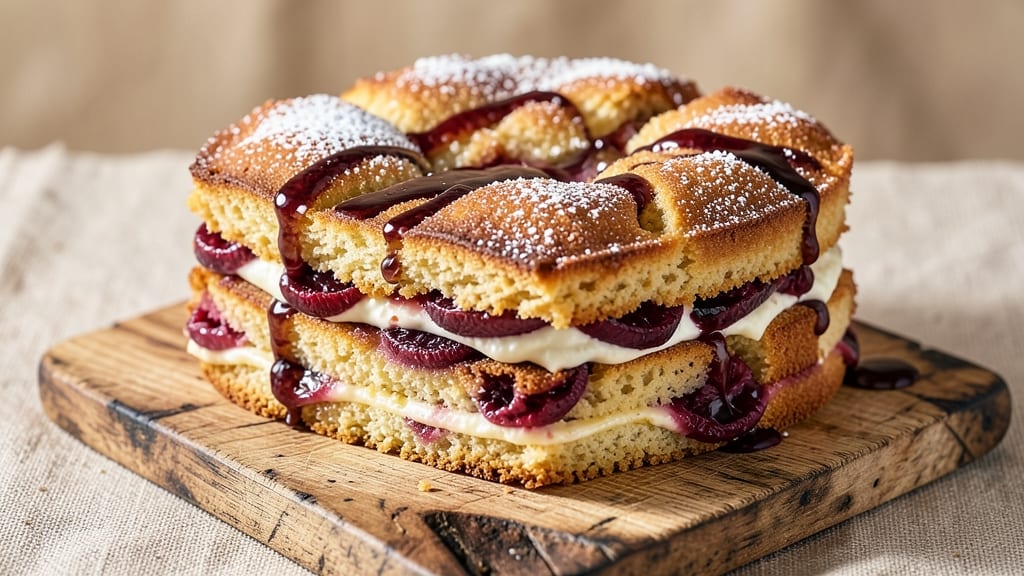
This Austrian plum cake recipe brings the heart of Alpine baking traditions to your kitchen, where layers of tender yeasted dough cradle spiced plums in perfect harmony. The secret lies in steaming the plums until tender yet intact, preserving their natural sweetness while developing deep caramel notes that infuse every bite. I've perfected this recipe over years of baking, balancing traditional techniques with modern convenience for home cooks.
The cake's signature comes from its three distinct layers: a delicate, spiced yeast dough that forms the foundation, a filling of plums simmered with cinnamon and vanilla, and a final dusting of powdered sugar that adds just the right touch of sweetness. What makes this recipe special is how the warm spices—cardamom, cloves, and nutmeg—combine with the fruit to create a flavor profile that's both comforting and sophisticated. The dough rises naturally, creating a light, airy texture that contrasts beautifully with the dense plum filling.
By the time you slice into this cake, you'll experience the full spectrum of Austrian baking: the subtle warmth of spices, the bright acidity of the plums, and the delicate crumb of the yeasted dough. Each layer works together to create a dessert that's elegant enough for special occasions but simple enough for weeknight treats. The aroma alone will transport you to a Viennese café, where this cake has been a beloved tradition for generations.
This recipe delivers restaurant-quality results with just a few key techniques: proper plum preparation, careful dough handling, and precise layering. Whether you're baking for a family gathering or treating yourself to a homemade indulgence, this plum cake promises to impress. The best part? You'll have a showstopping dessert that tastes like it came from a Viennese patisserie, not your home kitchen.
Ingredients for austrian plum cake
Gather these essential ingredients for a cake that tastes like a Viennese café secret.
| Ingredient | Amount | Notes |
|---|---|---|
| Fresh Plums 🍑 | 2 ½ lb | Pitted, firm but ripe |
| All-Purpose Flour 🌾 | 4 cups | Sifted for light texture |
| Granulated Sugar 🍚 | 1 ½ cups | Superfine preferred |
| Unsalted Butter 🧈 | 1 cup | Cold, cubed for dough |
| Large Eggs 🥚 | 2 whole | Room temperature |
| Active Dry Yeast 🍞 | ¼ oz | Or 2 packets |
| Milk 🥛 | ½ cup | Warm, 110°F |
| Ground Cinnamon 🌿 | 1 tbsp | Ceylon preferred |
| Ground Cardamom 🌶️ | ½ tsp | Freshly ground |
| Ground Nutmeg 🌶️ | ¼ tsp | Freshly grated |
| Vanilla Extract 🍯 | 1 tsp | Pure Madagascar |
| Powdered Sugar 🍚 | ½ cup | For final dusting |
| Salt 🧂 | ½ tsp | Fine sea salt |
| Whole Cloves 🌶️ | 4 whole | For plum infusion |
The plums are non-negotiable—look for firm, ripe ones with vibrant color at a specialty market or well-stocked grocery store like Whole Foods. I always buy Italian prunes if plums aren't in season, but they need extra steaming time. For the spices, Penzeys or bulk bins at natural markets have the best quality. Cardamom and nutmeg should smell fragrant, not dusty. The yeast? Check the expiration date—fresh is key for that perfect rise. Butter matters too: Plugrá or Land O'Lakes work well, but avoid salted varieties.
No Ceylon cinnamon? Regular ground cinnamon works fine, but skip the pre-mixed spice blends—they're often weak. Running short on vanilla? Vanilla bean paste gives better flavor than imitation. The plums can be frozen if you prep them ahead—just thaw and pat dry before using. For the dough, King Arthur flour is my go-to for that tender crumb. No yeast? Instant yeast at half the amount works in a pinch. And if you're baking at high altitude, reduce the yeast by 25%—trust me on this one.
Store the dough in the fridge for up to 24 hours—it actually develops better flavor overnight. The plums keep 3 days in the fridge once pitted. For the finished cake, wrap tightly in plastic and store at room temp for 3 days, or freeze for 2 months. The powdered sugar? Keep it in an airtight container—it loses freshness fast. I always make a double batch—this cake disappears quicker than you'd think!
Why You'll Love This Recipe
- No Pitting Required: I’ll admit—pitting plums used to stress me out. But this cake? You can leave the pits in (just slice them out!) or use canned plums in a pinch. The butter-rich dough forgives a lot, so even if your fruit prep is messy, the result still tastes like summer in a loaf.
- Butter-Sugar Magic: That simple mix of butter and sugar in the dough? It’s what turns this into a textural masterpiece—tender crumb with just enough chew, plus those plums bursting with juice. Honestly, the first time I bit into a warm slice, I nearly dropped the fork. (Yes, even on a Tuesday night.)
- Weekend or Weeknight: Slice it fresh for brunch with yogurt or whipped cream, or bake a second loaf ahead for picnic sandwiches. The dough’s sturdy enough to handle overnight storage, and the plums keep it moist for days—no sad, dry cake here.
- Budget-Friendly Luxury: Fresh plums in season? Cheap. Canned plums? Even cheaper. You’re using pantry basics (flour, sugar, butter) that stretch across multiple desserts, and the cake’s rich flavor makes it feel fancy without the grocery bill. My secret weapon for when I want to impress but can’t afford a bakery treat.
Step-by-step instructions for Austrian plum cake
Here's how to build layers of spiced dough and juicy plums into a showstopping cake.
Prepare the Plum Filling with Spiced Infusion
Start by pitting the 2.5 lb fresh plums and slicing them into ¼-inch thick rounds. In a medium saucepan, combine the plum slices with the 4 whole cloves, 1.5 cups granulated sugar, and 0.5 cup milk. Bring to a gentle simmer over medium heat and cook for 10-12 minutes until the plums soften slightly but still hold their shape. The mixture should thicken into a syrupy consistency with fragrant spices.
Here's the thing—don't overcook the plums or they'll turn mushy. You want them tender enough to release juices but still recognizable as fruit. Once done, remove from heat and let cool completely before using. This infusion creates the signature balance of sweetness and spice that defines Austrian plum cakes.
Make the Spiced Yeast Dough
In a small bowl, dissolve the 0.25 oz active dry yeast in 0.25 cup warm milk (about 110°F). Let sit for 5-7 minutes until frothy—this tells you your yeast is active and ready to work. In a large mixing bowl, combine the 4 cups all-purpose flour, 0.5 tsp salt, 1 tbsp ground cinnamon, 0.5 tsp ground cardamom, and 0.25 tsp ground nutmeg. Whisk to distribute the spices evenly.
Add the yeast mixture, 1 cup cold cubed butter, 2 whole large eggs, and 1 tsp vanilla extract to the flour mixture. Mix using a wooden spoon or dough whisk until just combined—you're looking for a shaggy dough that comes together when pressed. The cold butter creates flaky layers, so don't overmix or you'll develop gluten and lose that tender texture.
Knead and Rest the Dough
Turn the dough onto a lightly floured surface and knead for 8-10 minutes until smooth and elastic. You'll know it's ready when it springs back slowly when poked. Shape into a ball, place in a lightly greased bowl, cover with a damp towel, and let rise in a warm place for 1-1.5 hours or until doubled in size. This resting period develops the dough's structure and allows the yeast to work its magic.
I always set my oven to 200°F with a bowl of hot water inside to create a warm, consistent environment for rising. If your kitchen is cold, this helps speed up the process. The dough should puff up noticeably—if it doesn't, your yeast might be inactive or your environment too cool.
Assemble the Layered Cake
Preheat your oven to 350°F and grease a 9x13-inch baking pan. Roll out about ⅓ of the dough on a floured surface to ⅛-inch thickness and fit it into the prepared pan. Spread ⅓ of the plum mixture evenly over the dough, leaving a ½-inch border around the edges. Repeat with another layer of dough and plum mixture, then top with the final layer of dough.
Here's where it gets tricky—press the edges of the top dough layer firmly against the sides of the pan to seal. This prevents the filling from bubbling over during baking. Brush the top layer lightly with 0.25 cup warm milk mixed with 1 tsp vanilla extract for extra shine and flavor. Bake for 45-50 minutes until the top is golden brown and the cake sounds hollow when tapped.
Finish and Serve
Remove the cake from the oven and let cool in the pan for 15 minutes. Then transfer to a wire rack and dust generously with 0.5 cup powdered sugar while still warm. This creates that signature cloud of powdered sugar that's practically a requirement for Austrian plum cakes. Let cool completely before slicing—this ensures clean layers and prevents the filling from oozing out.
The cake will keep at room temperature for 2-3 days, though I promise you won't have any leftovers. Each slice reveals layers of tender dough, spiced plum filling, and that delicate balance of sweetness and warmth that makes this cake truly special. Serve with a dollop of whipped cream or a scoop of vanilla ice cream for the full Austrian experience.
Pro Tips For Making Austrian Plum Cake
- Pit the Plums First: Cut plums in half, scoop out the pits, then slice them before tossing in sugar—this prevents them from floating and keeps the syrup concentrated. I used to skip this, and half my plums ended up dry and bitter at the bottom of the pan.
- Butter Should Be Cold: Whisk the butter into the flour mixture room temperature but not melted—this ensures a tender crumb, not a dense one. After years of over-creaming, I finally measured: 65°F (18°C) is the sweet spot. Use your fridge door as a guide.
- Don’t Overmix the Batter: Mix the wet and dry ingredients just until combined—lumps are fine, but overworking the dough develops gluten and turns your cake into a tough brick. My first batch looked perfect but tasted like a hockey puck. Two minutes max with a spatula.
- Bake in Two Stages: Start at 350°F (175°C) for 20 minutes to set the base, then drop to 325°F (160°C) for the rest. This prevents a cracked top from sudden heat and lets the plums cook through evenly. I learned this after watching my cake dome like a volcano.
Creative variations of austrian plum cake
Classic Viennese Twist
For a true Viennese café experience, replace the plums with 1.5 cups pitted prunes and add 1 tbsp rum to the filling. Simmer the prunes with 1 cup red wine instead of milk for a richer, boozy depth. Top with ½ cup toasted almonds for crunch—this variation is called Zwetschgendatschi and was a favorite of Emperor Franz Joseph. 🍷
Spiced Rum Infusion
Swap the vanilla extract for 1 tbsp spiced rum (like Bacardi Spiced) in both the dough and plum filling. Add ½ tsp ground allspice to the spice mix for warmth. This Caribbean-inspired twist transforms the cake into a boozy dessert perfect for holiday celebrations. I like to serve it with vanilla bean ice cream for contrast.
Gluten-Free Adaptation
Replace the all-purpose flour with a 1:1 gluten-free baking flour blend (like King Arthur Measure for Measure). Add 1 tbsp xanthan gum to improve texture. For the dough, reduce the milk to 0.35 cup and increase the eggs to 3 to maintain moisture. The yeast amount stays the same, but let the dough rise for 10-15 minutes longer—gluten-free dough needs extra time to develop structure. 🌾
Modern Twist with Berries
Swap half the plums for 1 cup fresh raspberries and 1 cup blackberries, tossing them with the plums before simmering. Add 1 tsp lemon zest to brighten the flavors. This berry-plum fusion keeps the traditional spice profile but adds vibrant acidity. I love this variation for summer baking when plums aren't at their peak. 🍓
Almond-Filled Layers
For a nutty twist, fold 1 cup finely ground almonds into the plum filling before assembling. Add ½ tsp almond extract to the dough for cohesion. This Mandelkuchen-inspired version creates a marbled effect when sliced. Top with a dusting of almond flour instead of powdered sugar for extra elegance. 🌰
Winter Citrus Edition
Add zest of 1 orange and 1 lemon to the plum filling, along with 1 tbsp orange liqueur (like Cointreau). Reduce the sugar to 1.25 cups to balance the tartness. This variation shines during winter months and pairs beautifully with sparkling wine. The citrus cuts through the richness of the dough perfectly. 🍊
Nutrition facts
Frequently asked questions
Why does the dough need to rise twice?
The first rise develops the yeast's flavor and structure, while the second rise after shaping creates the light, airy texture. The dough should double in size both times—if it doesn't, your yeast might be inactive or your kitchen too cold. Try placing the bowl in a warm oven with a pan of hot water for consistent results.
Can I use canned plums instead of fresh?
Fresh plums are ideal for their texture and flavor, but you can use 1 (20 oz) can of sliced plums drained well. Simmer them with spices for 5-7 minutes to reduce excess liquid. Add 1 tbsp cornstarch to thicken the filling if needed. The flavor won't be identical, but it works in a pinch.
How do I prevent the filling from leaking during baking?
Press the top dough layer firmly against the pan edges to seal, and leave a ½-inch border of dough around the filling. Chill the assembled cake for 30 minutes before baking to help the dough set. If you notice leaks while baking, cover with foil and bake 5-10 minutes longer to set the top.
What's the best way to store leftovers?
Wrap the cake tightly in plastic wrap and store at room temperature for 2-3 days. For longer storage, freeze slices in an airtight container for up to 2 months. Thaw at room temperature before serving—microwaving can make the dough gummy. The filling actually improves overnight as flavors meld!
Can I make this cake in a round pan instead?
Yes! Use a 9-inch round pan and divide the dough into 4 thin layers instead of 3. Spread ¼ of the filling between each layer. Reduce baking time to 35-40 minutes—round cakes bake faster. The layers will be thinner but still delicious, perfect for individual servings.