
Desserts
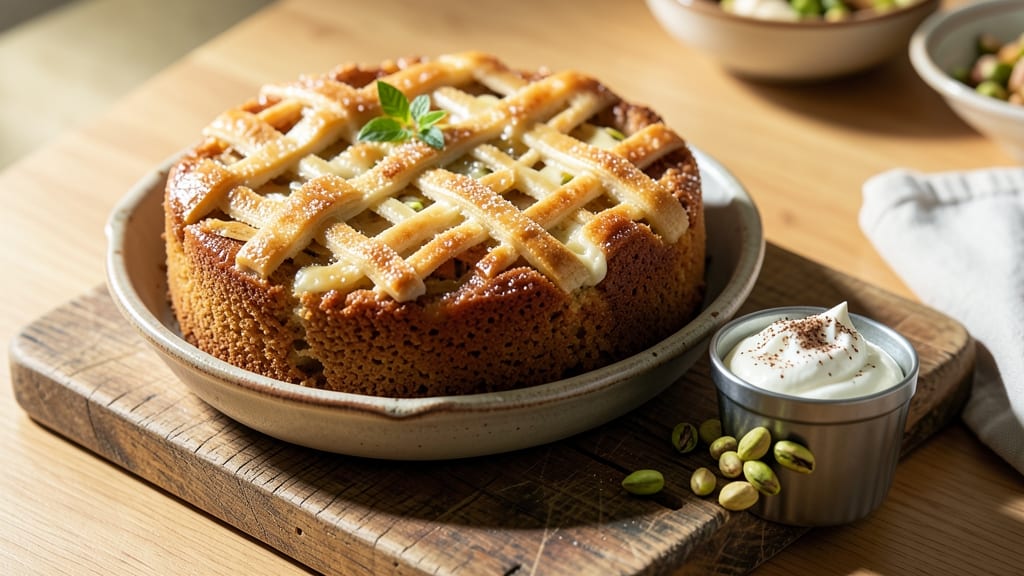
This atta cake recipe brings the soul of Indian baking to your kitchen with its signature layers of fragrant cardamom and saffron-infused wheat flour. 💛 The delicate balance of spices and the melt-in-your-mouth texture make it a showstopper for celebrations or quiet afternoons. What sets this apart is the traditional atta (whole wheat flour) base, which gives it a rustic charm and subtle nuttiness that refined flour can't match.
The secret to achieving that signature fragrant cardamom and saffron layers lies in the slow baking process, which allows the spices to bloom fully while keeping the cake moist and tender. Unlike dense fruitcakes, this version has a light, airy crumb that practically dissolves on the tongue—perfect for those who love texture without heaviness. The recipe is designed to be approachable for beginners but delivers restaurant-quality results.
By the time you pull this cake from the oven, your kitchen will be filled with the intoxicating aroma of cardamom and saffron, and every slice will reveal those signature layers of golden-brown crust and soft, spiced interior. It's the kind of dessert that feels special without requiring fancy ingredients—just whole wheat flour, a few warm spices, and patience. Serve it warm with a dollop of whipped cream or a dusting of powdered sugar for an experience that feels like a hug.
This atta cake isn't just a recipe; it's a tradition wrapped in layers of flavor and memory. Whether you're celebrating a festival, a birthday, or simply craving something comforting, this cake delivers on both nostalgia and taste. Let's get started on creating something truly special for your table.
Ingredients for atta cake
Whole wheat flour and warm spices create this fragrant atta cake with signature saffron layers.
| Ingredient | Amount | Notes |
|---|---|---|
| Atta (Whole Wheat Flour) 🌾 | 3 ½ cups | Freshly milled preferred for nuttiness |
| Granulated Sugar 🍚 | 1 ½ cups | White or light brown |
| Unsalted Butter 🧈 | 1 cup | Cold, cubed for creaming |
| Large Eggs 🥚 | 4 whole | Room temperature |
| Plain Yogurt 🥛 | 1 cup | Full-fat for moisture |
| Ground Cardamom 🌿 | 2 tsp | Freshly ground for aroma |
| Saffron Threads 🧡 | ¼ tsp | High-quality, soaked in 2 tbsp warm water |
| Baking Powder 🍞 | 2 tsp | Diamond Crystal preferred |
| Salt 🧂 | ½ tsp | Fine sea salt |
| Vanilla Extract 💧 | 1 tsp | Pure vanilla preferred |
| Powdered Sugar 🍚 | ½ cup | For dusting |
| Rice Flour 🌾 | ¼ cup | For lightness (optional) |
The atta (whole wheat flour) is the heart of this cake—freshly milled makes all the difference, giving that rustic nuttiness. Whole Foods or Indian specialty stores often carry the best quality; if you can't find it, regular whole wheat flour works in a pinch. Cardamom should be freshly ground—Penzeys Spices sells pre-ground, but toasting whole seeds first intensifies the flavor. Saffron is non-negotiable here; look for Iranian saffron for the best quality, and soak it in warm water before adding to the batter for maximum color and aroma. The yogurt adds moisture and tang, so full-fat Greek yogurt keeps the cake tender without making it dense.
No cardamom? Cinnamon at half the amount gives warmth, though it won't match the floral notes. Out of saffron? Turmeric at a pinch adds color, but the flavor will be different. For a lighter texture, skip the rice flour—this cake still works without it. The butter needs to be cold when creaming; microwave it 40 seconds to just soften if it's too hard. If you're baking in a dry climate, add an extra tablespoon of yogurt to prevent cracking. The baking powder is crucial for lift, so check the expiration date—old baking powder won't rise properly.
This cake keeps beautifully—3-4 days at room temperature wrapped in cloth, or 1 week in the fridge. Reheat slices in the oven for 5 minutes to restore that warm, spiced aroma. For gifting, slice and layer with parchment between pieces; they'll stay fresh for 10 days. The saffron-infused layers develop deeper flavor over time, so leftovers often taste even better. Store powdered sugar in an airtight container to prevent clumping—a small jar with a tight lid works perfectly.
Why You'll Love This Recipe
- No-Fuss Mixing: This cake comes together with just five ingredients—no fancy techniques, no measuring cups with questionable markings. I swear by the yogurt trick: it keeps the batter light without overmixing, so the texture stays tender even when I forget to cream the butter properly.
- Sweet But Not Heavy: The sugar and butter create a rich, almost caramel-like depth, but the atta flour keeps it from tasting dense. Honestly, the first time I made it, I expected a dry, crumbly cake—turns out, the eggs and yogurt balance the whole wheat perfectly for a moist, satisfying bite.
- Weeknight or Weekend Star: Pack it for lunch, slice it for breakfast, or serve it at a potluck—this cake handles everything. I’ve sent it to school with my kids (yes, really), and it’s just as welcome at a tea party as it is on my counter when I’m too tired to bake.
- Budget Baking Wins: A single batch uses less than $3 of ingredients, and leftovers? They last a week in the fridge without drying out. Between us, I’ve even used stale atta flour from my pantry—this recipe forgives a lot, and your wallet will thank you.
Step-by-step instructions for atta cake with cardamom and saffron layers
Here's how to create a fragrant, moist atta cake with perfect layers and aromatic spices.
👨🍳 Step 1: Prepare the Saffron Infusion and Cream Butter and Sugar
First, soak the 0.25 tsp saffron threads in 2 tablespoons warm water for 10 minutes to release their vibrant color and delicate aroma. Set aside. In a large mixing bowl, combine the 1 cup cold, cubed unsalted butter with the 1.5 cups granulated sugar. Beat on medium speed using a stand mixer for 3-4 minutes until the mixture becomes pale and fluffy.
This creaming process incorporates air, which helps create a light texture. You'll know it's ready when the mixture nearly doubles in volume and leaves clean sides on the bowl. If you're using freshly milled atta (whole wheat flour), give it a quick pulse in a food processor to break up any lumps before measuring—this ensures a smoother batter.
👨🍳 Step 2: Add Eggs, Yogurt, and Dry Ingredients
Add the 4 room-temperature large eggs, one at a time, mixing well after each addition. After the eggs are incorporated, stir in the 1 cup plain yogurt, 1 tsp vanilla extract, and the saffron infusion. The batter should be smooth but slightly thick—this is normal for atta-based cakes.
In a separate bowl, whisk together the 3.5 cups atta (whole wheat flour), 2 tsp baking powder, 0.5 tsp salt, 2 tsp ground cardamom, and 0.25 cup rice flour. Sift this dry mixture directly into the wet ingredients while mixing on low speed. Avoid overmixing—just combine until the flour is mostly incorporated and a few streaks remain. The batter will be denser than traditional cake batters, which is perfect for atta cakes.
🥘 Step 3: Layer the Batter and Bake
Preheat your oven to 350°F and grease two 8-inch round cake pans (or one 9x13-inch pan for a single layer). Divide the batter evenly between the pans. For layered cakes, spread the first half in the first pan, then the second half in the second pan. If using a single pan, simply spread the batter evenly.
Bake for 35-40 minutes (or 40-45 minutes for a single layer) until a toothpick inserted in the center comes out clean and the top springs back when gently pressed. The cake should have a golden-brown hue, but don't overbake—atta cakes are delicate and can dry out quickly. If the top browns too quickly, tent the pans with foil after 20 minutes to prevent over-browning.
⏰ Step 4: Cool and Dust with Powdered Sugar
Remove the cakes from the oven and let them cool in the pans for 10 minutes. Then transfer to a wire rack to cool completely. Once fully cooled, dust the top generously with 0.5 cup powdered sugar using a fine-mesh sieve. This step adds a beautiful finishing touch and balances the rich, spiced flavors.
For the best texture, slice the cake with a serrated knife while still slightly warm. The layers should be tender and moist, with a subtle nutty flavor from the atta and a delicate floral aroma from the cardamom and saffron. Serve at room temperature with a cup of chai or fresh fruit for a perfect dessert.
Pro Tips For Making Atta Cake
- Chill the Dough: DESCRIPTION: Whole wheat flour absorbs moisture like a sponge, and atta dough is no exception. After mixing, let it rest in the fridge for at least 2 hours—this prevents a dense, gummy cake. I learned this the hard way when my first attempt turned out like a brick (yes, even with yogurt).
- Whisk Eggs with Sugar: DESCRIPTION: Beat the eggs and sugar together until the mixture lightens and thickens slightly—this incorporates air, which is crucial for a fluffy texture. Skip this, and your cake will be heavy, no matter how much you fold in butter. (I know, it’s tempting to rush.)
- Don’t Overmix the Flour: DESCRIPTION: Once you add the dry ingredients, mix just until combined—overworking the dough develops gluten, making the cake tough. Think "light and airy," not "bread-like." I used to overdo it, and my cakes ended up chewy instead of tender.
- Use Room-Temp Butter: DESCRIPTION: Cold butter creates pockets of steam for lift, but room-temperature butter blends smoother and ensures even distribution. Take it out 30 minutes before mixing—this isn’t the time to microwave it (we’re not making pastry, after all).
Essential equipment for this recipe
Stand Mixer Essentials
Your KitchenAid stand mixer with the paddle attachment is my go-to for creaming butter and sugar—it handles the dense atta batter beautifully without overheating. I use the 5-quart bowl for this recipe to ensure there's enough room for the thick batter. If you don't have a stand mixer, a hand mixer works fine, but be prepared for more elbow grease during the creaming process. 🔥
Precision Baking Tools
A digital kitchen scale (like the OXO Good Grips) is a game-changer for measuring atta flour, especially since whole wheat flour can vary in density. For the saffron infusion, I recommend using a small glass jar with a tight lid to soak the threads—this keeps them contained and makes straining easier. A fine-mesh sieve is also essential for dusting powdered sugar evenly over the finished cake.
Cake Pans and Parchment
Invest in two 8-inch round cake pans with removable bottoms for easier release—Wilton Perfect Results pans are my top pick. Line the bottoms with parchment paper to prevent sticking, especially since atta cakes can be delicate. For a single-layer version, a 9x13-inch baking pan works well, but grease it thoroughly with butter and flour to ensure the cake doesn't stick.
Spice Grinders and Soaking Tools
Freshly ground cardamom makes all the difference, so a small spice grinder (like the Penzeys Spice Grinder) is worth the investment. For the saffron, a small spoon or fine-mesh strainer helps separate the threads from the soaking liquid after infusion. I also keep a small bowl handy to mix the saffron water with the wet ingredients—this ensures the vibrant color and aroma are evenly distributed.
Cooling and Storage Essentials
After baking, transfer the cakes to a wire cooling rack to prevent sogginess. For long-term storage, I use airtight plastic containers with parchment paper between layers to maintain freshness. A serrated knife (like the Mercer Culinary Genesis) is ideal for slicing the cake cleanly—dip it in hot water and wipe dry between slices to avoid crumbs.
Nutrition facts
Frequently asked questions
Why does this atta cake recipe use whole wheat flour instead of all-purpose?
Atta (whole wheat flour) gives this cake its signature rustic nuttiness and subtle earthiness that all-purpose flour can't replicate. The higher protein and fiber content create a denser, moist crumb perfect for traditional Indian desserts. Plus, the natural bran adds beautiful texture and a hearty flavor that pairs beautifully with cardamom and saffron.
Can I make this cake without saffron?
Yes, but the flavor and color will be different. For a substitute, use ½ tsp turmeric for color plus ½ tsp orange food coloring for vibrancy (if desired). The cardamom will still shine, but you'll lose that luxurious saffron aroma. If you're sensitive to saffron's cost, try ½ tsp rose water instead—it adds floral notes that complement the spices.
How do I prevent my atta cake from cracking?
Cracking happens when the cake cools too quickly or the oven's heat is uneven. To avoid this:
- Don't overbake—remove the cake when a toothpick comes out clean (not dry).
- Let it cool in the pan for 10 minutes before transferring.
- If your kitchen is dry, add 1 extra tablespoon of yogurt to the batter for moisture. For extra insurance, tent the cake with foil after 20 minutes of baking.
What's the best way to serve this cake?
This fragrant cake is perfect served warm with chai tea or cold with whipped cream and fresh berries. For a festive touch, dust with powdered sugar and garnish with chopped pistachios or edible silver leaf. It also pairs beautifully with mango slices or rose syrup for dipping—especially during summer celebrations.
Can I make this cake gluten-free?
While traditional atta cake relies on whole wheat flour, you can attempt a gluten-free version using a 1:1 gluten-free flour blend (like Bob's Red Mill). Replace the atta with 3.5 cups gluten-free flour and add ½ tsp xanthan gum to improve texture. Note that the flavor and texture will differ—expect a slightly denser, less rustic result. Test with a small batch first to adjust moisture levels.