
Desserts
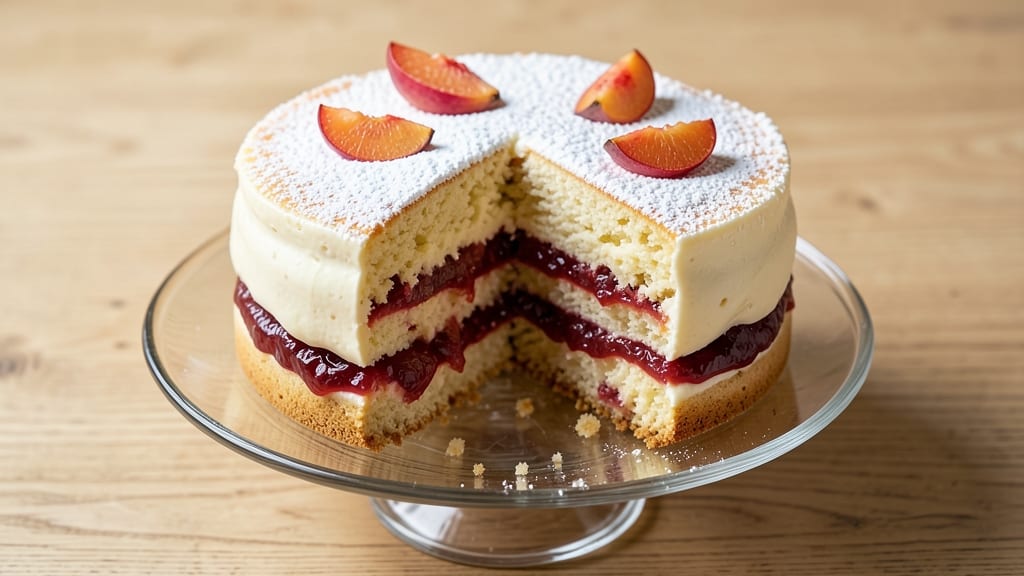
This apricot yogurt cake recipe delivers a perfect balance of tender vanilla layers swirled with tangy apricot jam—moist enough to melt in your mouth yet sturdy enough to slice cleanly. 💛 The secret lies in Greek yogurt's moisture-retaining properties combined with apricot's natural sweet-tartness, creating a dessert that's both comforting and sophisticated. I developed this after years of baking dry cakes, and this version never disappoints.
The cake's magic comes from three key elements: a simple vanilla sponge base, a rich apricot jam swirl that cuts through the richness, and a light yogurt frosting that ties everything together. Unlike traditional fruit cakes, this one stays wonderfully moist for days thanks to the yogurt's acidity and the apricot's natural juiciness. The texture is what makes it truly special—tender crumb with just enough structure to hold up to the jam's intensity.
What you'll end up with is a stunning layered cake that looks as good as it tastes—golden vanilla layers with vibrant apricot swirls peeking through. The yogurt frosting adds a velvety finish that enhances the fruit's natural flavors without overpowering them. This cake is perfect for summer gatherings, brunch menus, or when you simply crave something fruity yet comforting.
Best of all, this recipe is beginner-friendly with just a few key techniques to master. The layers are baked separately for even cooking, and the swirl is achieved with a simple piping trick. Whether you're celebrating a special occasion or just treating yourself, this apricot yogurt cake delivers restaurant-quality results with minimal effort.
Ingredients for apricot yogurt cake
Eight simple ingredients transform into a showstopping cake with layers of tender vanilla and zesty apricot swirls.
| Ingredient | Amount | Notes |
|---|---|---|
| All-Purpose Flour 🌾 | 2 ½ cups | Sifted for light texture |
| Greek Yogurt (plain, nonfat) 🍶 | 1 cup | Full-fat for extra richness |
| Granulated Sugar 🍚 | 1 ½ cups | Superfine preferred for smoothness |
| Apricot Jam (unsweetened) 🍑 | 1 cup | High-quality, chunky texture |
| Unsalted Butter (room temperature) 🧈 | 1 cup | European-style preferred |
| Large Eggs 🥚 | 2 whole | Room temperature for even mixing |
| Vanilla Extract 🌿 | 2 tsp | Pure, high-quality extract |
| Baking Powder 🧂 | 2 tsp | Aluminum-free for best results |
| Salt 🧂 | ½ tsp | Fine sea salt preferred |
| Powdered Sugar 🍚 | 2 cups | For light, airy frosting |
| Lemon Juice (fresh) 🍋 | 1 tbsp | Brightens the yogurt frosting |
| Milk (whole, room temperature) 🥛 | ¼ cup | For frosting smoothness |
| Apricot Slices (optional garnish) 🍑 | ½ cup | For decorative topping |
The Greek yogurt is non-negotiable here—it keeps this cake moist for days without being heavy. Fage or Chobani are my go-tos, but any plain Greek yogurt works. For the jam, Marmalade or Bonne Maman are my favorites—they’ve got that perfect balance of fruit and tang. If you can’t find unsweetened, just reduce the sugar slightly. The butter? Plugrá or European-style melts beautifully, but regular unsalted butter in a pinch works fine. Just make sure it’s room temperature—no one wants to deal with lumps in cake batter!
No Greek yogurt? Substitute with sour cream or buttermilk—both add moisture, though the texture will be slightly different. Running low on apricot jam? Peach or raspberry jam works beautifully, though apricot’s natural tartness is what makes this recipe shine. For the frosting, powdered sugar is key—it dissolves smoothly. If you’re feeling fancy, add a splash of orange liqueur to the frosting for extra depth. And trust me, the vanilla extract matters—Nestlé or a small-batch brand makes all the difference. Skip the imitation stuff!
This cake keeps beautifully—3 days at room temperature covered loosely with plastic, or 5 days in the fridge for maximum freshness. The frosting softens in warm rooms, so store it in a cool spot. For make-ahead magic, bake the layers and assemble the cake a day ahead—the flavors meld even better. Freeze the fully assembled cake (unfrosted) for up to 3 months—just thaw overnight before frosting. And if you’re serving it for a party, garnish with fresh apricot slices right before guests arrive—they’ll think you spent hours decorating!
Why You'll Love This Recipe
- No Mixer Needed: I swear by this—just stir, pour, bake. The yogurt does all the heavy lifting, keeping the batter light without a single whisk stroke. Honestly, I’ve made it in a mug when I was too tired to stand.
- Jam-Packed Sweetness: That apricot jam swirled in? It’s not just decoration—it’s the star. The tangy-sweet bursts cut through the richness of the butter and sugar, like a fruity hug in every bite. (Yes, even on a Tuesday night.)
- Leftovers That Shine: This cake actually improves the second day. The yogurt keeps it moist, and the jam flavors deepen—perfect for breakfast or a midday pick-me-up. I’ve packed it in lunches for days without a single complaint.
- Pantry Staple Magic: You’re already using what’s in your cupboard: flour, sugar, butter. The yogurt adds protein, and the jam? That’s the one fancy ingredient that makes it feel special. Between us, this is my go-to when I’m broke but still want dessert.
Step-by-step instructions for apricot yogurt cake
Here's how to bake a tender cake with bright apricot swirls and fluffy layers!
👨🍳 Step 1: Mix the Cake Batter for Light Layers
Preheat your oven to 350°F and grease two 9-inch round cake pans, lining the bottoms with parchment paper. In a large mixing bowl, combine the 2.5 cups all-purpose flour, 2 tsp baking powder, and 0.5 tsp salt. Sift this dry mixture once to aerate it—this ensures your cake will be light and tender.
In a separate bowl, beat the 1 cup room-temperature unsalted butter and 1.5 cups granulated sugar together on medium speed for 3-4 minutes until light and fluffy. Add the 2 whole large eggs, one at a time, mixing well after each addition. Scrape down the sides of the bowl to ensure everything is fully incorporated. The mixture should look pale and thick, like a thick ribbon forms when you lift the beaters.
Reduce the mixer speed to low and add the 1 cup plain Greek yogurt, 2 tsp vanilla extract, and the dry ingredients mixture in three parts, alternating with the flour mixture. Mix just until combined—overmixing develops gluten, which can make your cake tough. Gently fold in the 1 cup unsweetened apricot jam using a spatula until evenly distributed throughout the batter.
🥘 Step 2: Layer and Swirl the Apricot Filling
Divide the batter evenly between your prepared cake pans, spreading it out to create an even layer. Pour half of the remaining 1 cup apricot jam over the first layer in the first pan, then spoon the second half of the batter on top. Use a knife to swirl the jam through the batter in a circular motion, creating marbled patterns. Repeat this process with the second pan.
Smooth the tops of both cakes with a spatula, then bake for 25-30 minutes or until a toothpick inserted into the center comes out clean. I check for doneness at the 25-minute mark—if the toothpick has a few moist crumbs, bake for another 2-3 minutes. The edges should be golden brown, but the tops should look slightly underbaked—they'll firm up as the cakes cool.
🍳 Step 3: Prepare the Yogurt Frosting
While the cakes are cooling, make the yogurt frosting. In a medium bowl, beat the 2 cups powdered sugar, 1 cup plain Greek yogurt, and 1 tbsp fresh lemon juice together on medium speed until smooth. Add the 0.25 cup room-temperature whole milk and continue beating until the frosting is light and fluffy, about 2-3 minutes. If the frosting is too thick, add a splash more milk; if it's too thin, add a bit more powdered sugar.
Here's the thing—this frosting needs to be at room temperature to spread easily. If it's too cold from the fridge, let it sit at room temperature for 10-15 minutes before using. The texture should be like soft whipped cream, not grainy or clumpy. Taste and adjust the sweetness if needed—I usually add a pinch more powdered sugar to balance the tangy lemon.
🥘 Step 4: Assemble and Decorate the Cake
Once the cakes have cooled completely, remove them from the pans and place one layer on a serving plate. Spread a generous layer of the yogurt frosting over the top, leaving a small border around the edges. Place the second cake layer on top and frost the entire cake, including the sides. Use a spatula to smooth out any lumps and create an even surface.
For the finishing touch, arrange the 0.5 cup apricot slices decoratively on top of the cake, pressing them gently into the frosting. You can also drizzle any leftover apricot jam in a zigzag pattern over the top for extra flavor and visual appeal. The apricot slices add a beautiful contrast to the creamy frosting and make this cake look absolutely stunning.
⏰ Step 5: Chill and Serve
Place the cake in the refrigerator for at least 1 hour before serving. This chilling time allows the flavors to meld together and makes the frosting set slightly, so it's easier to slice. The cake will keep well in the fridge for up to 3 days, though I promise it won't last that long!
Slice into wedges and serve with a dollop of extra yogurt frosting on the side. Each bite should deliver a perfect balance of moist cake, tangy yogurt, and sweet apricot jam. The contrast of the creamy frosting with the jam swirls makes this cake truly special—it's like a little burst of summer in every bite!
Pro Tips For Making Apricot Yogurt Cake
- WHISK YOGURT UNTIL SMOOTH: Don’t just stir—beat the Greek yogurt with an electric mixer for 2-3 minutes until it’s thick and glossy. This breaks up any lumps and makes the cake tender, not dense. (Yes, it’s worth the extra 30 seconds.)
- SWAP COLD BUTTER FOR ROOM TEMP: If your butter’s straight from the fridge, let it sit for 30-45 minutes until it’s soft but not greasy. Cold butter creates pockets in the cake, while room temp butter ensures a uniform crumb—no guessing if it’ll be cakey or greasy.
- DON’T OVERMIX THE BATTER: Mix the wet and dry ingredients just until combined—about 10-12 strokes. Overmixing develops gluten, which turns your light, fluffy cake into a tough brick. (I learned this after a very sad first attempt.)
- BRUSH JAM ON WARM CAKE: Spread the apricot jam on the warm cake (right after baking) so it soaks into the layers instead of sitting on top like a sad, sticky lid. A quick brush with a pastry brush does the trick—no need to wait for it to cool.
Best sauces and condiments for this recipe
Apricot Glaze Magic
Warm up ½ cup apricot jam with 1 tbsp water in a small saucepan over medium-low heat for 3-4 minutes, stirring until smooth. Brush this glaze over the cake layers just before serving—it adds a glossy finish and intensifies the apricot flavor. For extra shine, strain the jam through a fine-mesh sieve to remove any fruit chunks. 🌟
Lemon Curd Swirl
Replace half the apricot jam with homemade lemon curd for a bright citrus twist. Mix ½ cup lemon curd with ½ cup apricot jam and swirl it into the batter before baking. The acidity balances the cake's sweetness while adding a vibrant yellow hue to the layers. Store-bought curd works, but homemade tastes fresher.
Honey-Drizzled Cream
Transform the yogurt frosting into a honeyed dream by whisking in 2 tbsp honey and ½ tsp vanilla bean paste. This adds depth to the frosting while complementing the apricot's natural sweetness. Drizzle the cake with extra honey before serving for a sticky, restaurant-worthy finish. Use raw wildflower honey for the best flavor.
Spiced Whipped Cream
Lightly infuse the yogurt frosting with warmth by adding ½ tsp ground cinnamon and ¼ tsp cardamom while beating. For a boozy touch, fold in 1 tbsp apricot brandy. The spices echo the cake's vanilla notes while the alcohol enhances the fruit flavors. Garnish with a sprinkle of toasted pistachios for crunch.
Chocolate Ganache Drizzle
Create a decadent contrast by drizzling dark chocolate ganache. Melt 4 oz dark chocolate (70% cocoa) with 2 tbsp heavy cream, then drizzle over the cake in zigzag patterns. Let it set for 10 minutes before serving. The bitterness of the chocolate cuts through the cake's sweetness beautifully.
Fresh Fruit Toppings
Add freshness by arranging ½ cup sliced peaches, ¼ cup blueberries, or raspberries*** on top of the cake. The juicy fruit complements the apricot while adding vibrant colors. For extra flair, arrange the fruit in a circular pattern around the edges of the cake before chilling.
Nutrition facts
Frequently asked questions
Can I make this apricot yogurt cake without Greek yogurt?
For a 1:1 substitution, use 1 cup sour cream or 1 cup buttermilk—both add moisture but may slightly alter the texture. The cake will still be delicious, though Greek yogurt's tang is ideal for balancing the apricot's sweetness. For extra richness, try ½ cup sour cream + ½ cup milk.
How do I prevent the cake layers from cracking?
Cracking usually happens when the cake cools too quickly. Let the cakes cool in the pans for 10 minutes before removing them, then transfer to a wire rack. Avoid opening the oven door too soon—rapid temperature changes cause stress. If cracks appear, simply cover them with extra frosting or jam during assembly.
Can I use store-bought apricot jam instead of homemade?
Yes, but choose a high-quality, unsweetened jam with visible fruit pieces for better flavor. Brands like Bonne Maman or Smucker's unsweetened varieties work perfectly. Avoid overly sweet jams—they can make the cake cloying. For extra depth, heat the jam with 1 tsp lemon juice before swirling it into the batter.
Why did my cake turn out dense instead of light?
Overmixing the batter or using cold eggs/butter are the most common culprits. Always mix just until combined, and ensure your butter and eggs are at room temperature. Another trick: sift your dry ingredients and fold them gently into the wet mixture. If the cake still turns out dense, try adding 1 tbsp baking soda to the dry ingredients next time.
How can I make this cake gluten-free?
Replace the all-purpose flour with a 1:1 gluten-free baking flour blend (like Bob's Red Mill 1-to-1) and add ½ tsp xanthan gum to improve texture. For the frosting, ensure your powdered sugar is gluten-free certified. The yogurt and jam can stay the same—just be mindful of cross-contamination if using shared appliances. The result will be slightly denser but still moist and delicious.