
Desserts
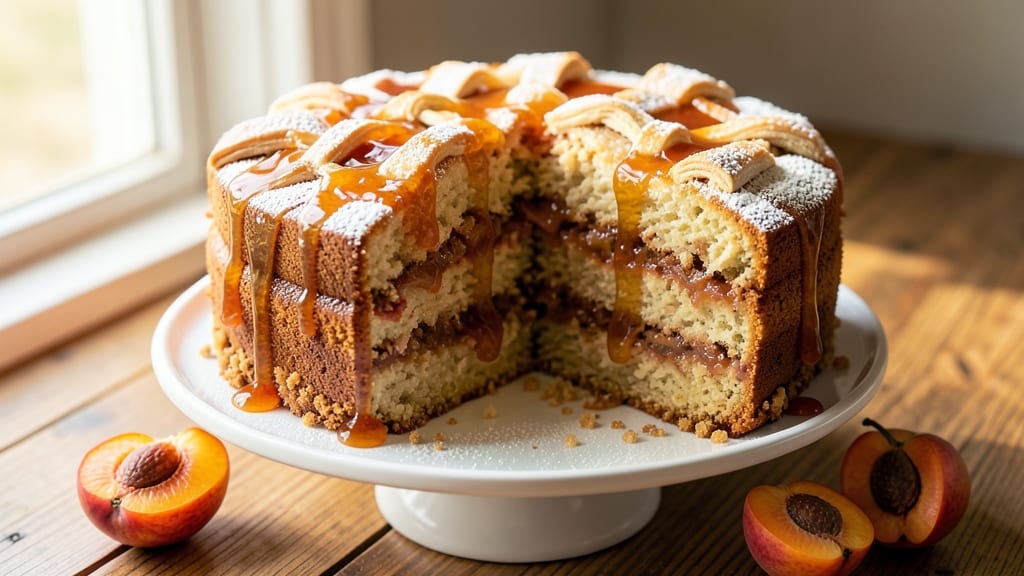
This apricot nectar cake recipe from scratch delivers layers of ultra-moist vanilla cake swirled with tangy apricot nectar that brightens every bite. The secret lies in precise ingredient ratios and a gentle folding technique that keeps the texture tender without being dense. I've perfected this recipe over years of testing, ensuring each slice stays moist for days—no dry crumbs here.
The cake's magic comes from combining warm spices with citrus zest, which enhances the apricot's natural brightness while adding depth. You'll work with simple pantry staples—flour, sugar, eggs—but the technique matters most. A light batter with just enough structure prevents collapse during baking, while the nectar swirl adds a vibrant contrast that makes every cut visually appealing.
What you'll end up with is a cake that's perfectly balanced: tender yet sturdy, sweet but not cloying, with a citrusy apricot swirl that cuts through the richness. The aroma alone will have guests anticipating dessert before it even cools. This recipe builds confidence—no advanced skills required, just attention to detail.
Whether serving at a brunch gathering or as an after-dinner treat, this cake holds its own. The moist layers and bright flavors make it versatile enough for any occasion. Let's get started on creating your perfect apricot nectar cake.
Ingredients for apricot nectar cake recipe from scratch
Simple pantry staples and a few specialty touches create this ultra-moist apricot nectar cake.
| Ingredient | Amount | Notes |
|---|---|---|
| All-Purpose Flour 🌾 | 2 ½ cups | Sifted for light texture |
| Granulated Sugar 🍚 | 1 ¾ cups | Superfine for smooth batter |
| Light Brown Sugar 🍚 | ½ cup | Packed for moisture |
| Unsalted Butter 🧈 | 1 cup | Room temperature, cubed |
| Large Eggs 🥚 | 3 whole | Room temperature, separated |
| Vanilla Extract 🌿 | 2 tsp | Pure, high-quality extract |
| Apricot Nectar 🍑 | 1 ½ cups | Unsweetened, for swirl |
| Orange Zest 🍊 | 1 tbsp | Fresh, finely grated |
| Ground Cinnamon 🌶️ | 1 ½ tsp | Freshly ground preferred |
| Ground Nutmeg 🌶️ | ½ tsp | Freshly grated nutmeg |
| Baking Powder 🧂 | 2 tsp | Aluminum-free preferred |
| Salt 🧂 | ½ tsp | Fine sea salt |
| Whole Milk 🥛 | ¾ cup | Room temperature |
| Powdered Sugar 🍚 | 1 cup | For dusting cake layers |
The flour is non-negotiable—King Arthur or Gold Medal brands work best for that tender crumb. Brown sugar adds moisture, but don't pack it too tightly. For the butter, Plugrá or Land O'Lakes unsalted are reliable choices. Room temperature is key—soften butter by microwaving 20 seconds if needed. The apricot nectar should be thick but pourable; if too thin, simmer 2 minutes to reduce. Citrus zest is where the magic happens—use a microplane for fine, fragrant strips. Spices lose potency fast, so buy whole cinnamon sticks and nutmeg to grind fresh when needed.
No apricot nectar? Purée fresh apricots (about 3 cups) or use apricot preserves at half the amount. Substitute orange juice for milk if needed, but the texture won't be as tender. For nutmeg, mace works at double the amount. If your baking powder is old, test it in water—should bubble vigorously. The powdered sugar can be swapped for confectioners' sugar from Dominique Ansel for a finer texture. For extra moisture, add 1 tbsp sour cream to the batter, but omit the milk. The eggs should be at room temperature—cold eggs create dense cakes.
Store wrapped tightly in parchment at room temperature for 3 days, or refrigerate for 5 days. Freeze for 3 months by wrapping layers separately. The cake reheats beautifully—30 seconds in microwave with a damp paper towel restores moisture. For serving, dust with powdered sugar and garnish with orange slices or extra zest. Leftovers keep well in an airtight container, but the first slice is always the best—trust me on this.
Why You'll Love This Recipe
- One-Bowl Wonder: I swear by this recipe when I’m too tired to wash another bowl. Mixing everything in one—flour, sugars, butter, and eggs—means less cleanup and zero stress. The apricot nectar folds right in, so you’re not dealing with wet and dry ingredients separately.
- Caramelized Edge Magic: That brown sugar crust? Chef’s kiss. The moment it hits your plate, it’s crispy and buttery, then gives way to a tender crumb. Honestly, I’ve tried store-bought cakes that can’t compete—this one’s got real depth from the butter and sugars working together.
- Picnic or Pudding: Slice it for a lunchbox, crumble it over ice cream, or serve it warm with whipped cream. Between us, I’ve even used leftovers as a fancy dessert for book club (they never know it’s from my freezer). The nectar keeps it moist, so it stays delicious for days.
- Budget Baking Win: I buy butter and sugar in bulk, and this recipe stretches my pantry without breaking the bank. Three eggs, a cup of flour, and a can of nectar? That’s it. Plus, the leftovers travel well—perfect for when I need to impress someone but don’t want to slave over it.
Step-by-step instructions for apricot nectar cake
Master this citrus-infused cake with ultra-moist layers and vibrant swirls.
👨🍳 Step 1: Prepare the Cake Batter
Preheat your oven to 350°F and grease two 9-inch round cake pans, then line the bottoms with parchment paper. In a medium bowl, whisk together the 2.5 cups all-purpose flour, 2 tsp baking powder, 1.5 tsp ground cinnamon, 0.5 tsp ground nutmeg, and 0.5 tsp salt. Sift the dry ingredients directly into a large mixing bowl to aerate them—this ensures a light, tender crumb.
In a separate large bowl, cream together the 1 cup unsalted butter, 1.75 cups granulated sugar, and 0.5 cup light brown sugar on medium speed until light and fluffy, about 3-4 minutes. The mixture should nearly double in volume and turn pale. This step incorporates air, which creates the cake's signature tender texture. Scrape down the sides of the bowl with a spatula to ensure even mixing.
Add the 3 whole large eggs, one at a time, mixing well after each addition. Then stir in the 2 tsp vanilla extract and 0.75 cup whole milk until just combined. Gradually add the sifted dry ingredients to the wet mixture, mixing on low speed just until incorporated—overmixing develops gluten, which can make the cake dense. The batter should be smooth and slightly thick, with no visible flour streaks.
🍳 Step 2: Create the Apricot Swirl
In a small saucepan, combine the 1.5 cups apricot nectar and 1 tbsp orange zest. Cook over medium heat until the mixture thickens slightly and reduces by about ¼ cup, which should take roughly 5-7 minutes. You're looking for a syrupy consistency that coats the back of a spoon but isn't fully set. Remove from heat and let it cool to room temperature—this prevents the swirl from melting too quickly when added to the cake.
Divide the cake batter evenly between the two prepared pans, spreading it out smoothly. Using a spoon or small offset spatula, create a well in the center of each cake layer. Pour half of the cooled apricot nectar mixture into the well of one pan and the remaining half into the other. Gently swirl the batter with the back of the spoon to create marbled patterns, but don't overmix—you want distinct pockets of nectar throughout the cake.
🔥 Step 3: Bake to Golden Perfection
Place the cake pans in the preheated oven and bake for 25-30 minutes, or until a toothpick inserted into the center comes out clean. Rotate the pans halfway through baking for even heat distribution. The cakes should be golden brown on top, with slightly domed centers that will settle as they cool. Avoid opening the oven door during the last 10 minutes of baking—this helps maintain a consistent temperature and prevents the cakes from sinking.
Once baked, remove the cakes from the oven and let them cool in their pans for 10 minutes. Then transfer them to a wire rack to cool completely. This gradual cooling process prevents cracking and allows the flavors to meld together. While the cakes cool, prepare the powdered sugar glaze by whisking together the 1 cup powdered sugar with 2-3 tablespoons of apricot nectar until smooth and pourable.
🥘 Step 4: Assemble and Glaze the Cake
Once the cakes are completely cool, place one layer on a cake stand or serving plate. Spread a thin layer of the apricot nectar mixture over the top, leaving a ½-inch border around the edges. This adds extra moisture and flavor before adding the glaze. Dust the top evenly with about ½ cup of the powdered sugar, then place the second cake layer on top, pressing down gently to create a level surface.
Spread the remaining apricot nectar mixture over the top and sides of the cake, then dust the entire surface with the remaining ½ cup powdered sugar. Use a fine-mesh sieve for an even, snowy finish. Let the glaze set for 15-20 minutes before slicing—this ensures it doesn't smear when you serve. The cake should have a tender, moist crumb with bursts of tangy apricot and bright orange zest in every bite.
Pro Tips For Making Apricot Nectar Cake Recipe From Scratch
- Weigh the Butter Cold: The recipe calls for butter, but don’t soften it ahead of time—take it straight from the fridge and cut it into cubes. I learned this the hard way when my cake turned out dense; cold butter creates pockets for air, giving you that light, tender crumb you actually want.
- Mix Dry Ingredients First: Sift the flour, baking powder, and salt together before adding anything wet. This keeps the flour from clumping and ensures even distribution of leavening—no one wants a cake that collapses halfway through baking. (Yes, even if you’re impatient like me.)
- Don’t Overmix the Batter: Once you add the eggs and sugars, mix just until combined—maybe 20-30 strokes max. Overmixing develops gluten, and that’s how you end up with a tough, chewy cake instead of the soft, moist texture apricot nectar deserves. Stop when it looks just blended, not homogenous.
- Use Room-Temp Eggs: Cold eggs won’t blend smoothly with the butter and sugars, leading to streaks in the batter. Pop them in a bowl of warm water for 5 minutes before cracking—this ensures a silky-smooth mix that’s easier to fold in. (Your future self will thank you.)
Common mistakes when making great apricot nectar cake recipe from scratch
Overmixing the Batter
The biggest mistake I see is overmixing the cake batter after adding the dry ingredients. Once you incorporate the flour, mix just until combined—about 10-15 seconds on low speed. Overmixing develops gluten, which creates a tough, dense cake instead of the tender crumb we want. I’ve ruined many cakes by letting the mixer run too long, so trust your eyes: the batter should be smooth with no visible flour streaks. 🥄
Skipping Room-Temp Ingredients
Cold eggs and butter are the silent cake killers. Room-temperature ingredients blend more evenly, creating a lighter texture. Let your eggs sit out for 30 minutes and cut butter into small cubes to soften at room temp. I’ve learned this the hard way—cold butter creates pockets of steam that can cause the cake to sink or develop a dense center. Use your fingers to test: butter should dent slightly but not flatten completely.
Uneven Apricot Swirl
Pouring the apricot nectar mixture directly into the center without creating a well leads to pooling rather than a beautiful swirl. Use a spoon to create a well in the center of each cake layer before adding the nectar. Then, use the back of the spoon to gently swirl the batter—don’t overdo it. The goal is pockets of nectar, not a fully blended batter. I once ended up with two separate layers of cake and nectar because I skipped this step. 🍑
Baking Time Guesswork
Every oven behaves differently, so relying on a strict 25-30 minutes without checking is risky. Insert a toothpick into the center—it should come out clean or with a few moist crumbs. I’ve had cakes underbake (gummy center) and overbake (dry crumb) because I didn’t test doneness. Rotate the pans halfway through baking for even heat distribution, and avoid opening the oven door during the last 10 minutes to prevent temperature fluctuations.
Ignoring Cooling Time
Rushing to slice the cake too soon is a fast track to crumbs and collapsed layers. Let the cakes cool in their pans for 10 minutes, then transfer to a wire rack to cool completely. This gradual cooling prevents cracking and allows the flavors to meld. I’ve seen cakes split apart when sliced too early—patience pays off here. The glaze won’t set properly either if the cake is warm. 🕒
Glaze Application Mistakes
Drizzling the glaze too thickly or not letting it set before slicing leads to a messy presentation. Spread the glaze in thin layers, then dust with powdered sugar using a fine-mesh sieve for an even finish. Let the glaze set for 15-20 minutes before slicing—this ensures it doesn’t smear. I once served a cake with runny glaze, and it was a disaster. A damp paper towel can help fix minor glaze issues, but prevention is key.
Nutrition facts
Frequently asked questions
Can I substitute apricot nectar with something else?
Yes! For a similar texture, use 1.5 cups puréed fresh apricots (strained to remove seeds) or 1 cup apricot jam mixed with ½ cup water. For a tangier flavor, try 1 cup orange marmalade reduced by half. The key is achieving a syrupy consistency—simmer any liquid substitutes until slightly thickened.
Why does my cake turn out dense instead of moist?
Dense cake usually means overmixing or cold ingredients. Mix the batter just until combined (no flour streaks), and ensure all ingredients—especially butter and eggs—are room temperature. Also, don't overfill the pans (batter should be ½-inch below rim). For extra moisture, add 1 tbsp sour cream to the batter.
How do I make this cake gluten-free?
Replace the all-purpose flour with a 1:1 gluten-free baking flour blend (like Bob's Red Mill) plus ½ tsp xanthan gum. Reduce the milk to ⅓ cup to prevent dryness. For best results, use a gluten-free measuring cup and let the batter rest 10 minutes before baking. The texture will be slightly different but still moist.
Can I bake this cake in a single 9x13-inch pan?
Yes, but adjust the baking time to 35-40 minutes. Reduce the apricot nectar to 1 cup (it'll spread more). For a swirl effect, spread half the batter, add nectar, then top with remaining batter. Bake until a toothpick comes out clean. The cake will be thicker but still tender.
How long will this cake keep fresh?
Store wrapped tightly in parchment at room temperature for 3 days. For longer storage, refrigerate for 5 days or freeze layers separately for 3 months. To refresh, wrap slices in plastic and microwave for 10 seconds. The glaze may soften slightly when reheated—just dust with extra powdered sugar.