
Desserts
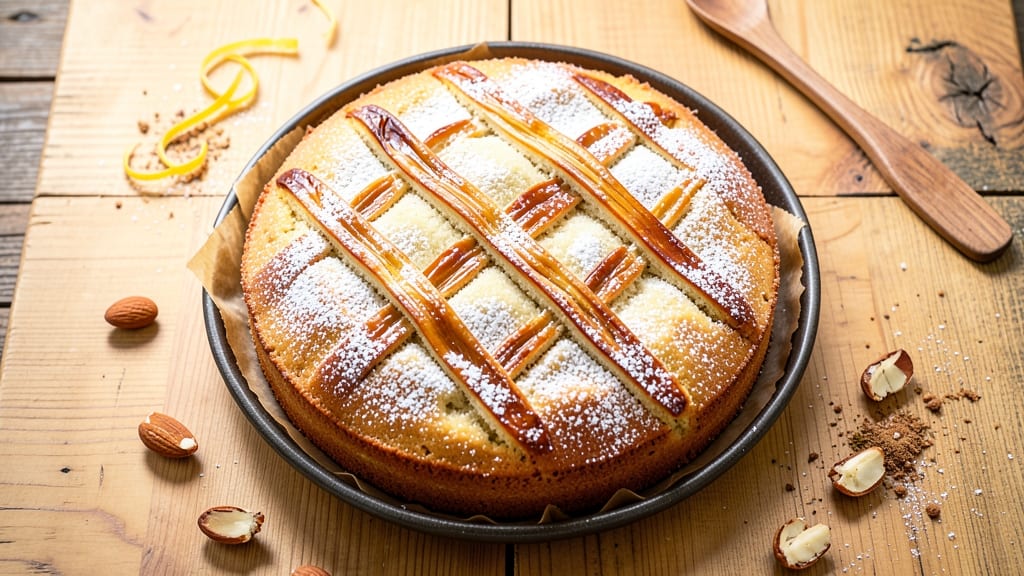
This anytime almond cake recipe delivers moist, tender layers with rich almond flavor that works for breakfast, afternoon tea, or dessert—no occasion required. The secret lies in almond flour's natural moisture retention and toasted depth, creating a cake that stays fresh for days without drying out. I developed this version after years of testing, ensuring every bite balances nutty intensity with delicate sweetness.
What sets this recipe apart is its versatility—bake it as a single layer for simplicity or double the batter for a decadent trifle. The cake's structure holds up beautifully with minimal effort, making it perfect for beginners while still impressing guests. Toasted almonds in the batter add texture and aroma, while citrus zest brightens the flavor profile without overpowering the almond's natural richness.
By the time it emerges from the oven, you'll have a golden, fragrant cake with a tender crumb that crumbles just slightly at the edges. The moistness comes from a precise ratio of almond flour to sugar, with eggs and butter creating that signature velvety texture. This isn't just another almond cake—it's a foolproof foundation that adapts to glazes, fillings, or even savory twists.
Serve it warm with whipped cream, dusted with powdered sugar, or store it in the fridge for up to five days—it only gets better with time. The recipe scales effortlessly, so whether you're feeding a crowd or treating yourself, this cake delivers restaurant-quality results with minimal fuss. Let's get baking!
Ingredients for anytime almond cake
Almond flour, butter, and eggs create the signature moist texture this cake is known for.
| Ingredient | Amount | Notes |
|---|---|---|
| Almond Flour 🌰 | 2 ½ cups | Finely ground, unsifted preferred |
| All-Purpose Flour 🌾 | ½ cup | For structural balance |
| Granulated Sugar 🍚 | 1 ½ cups | Superfine preferred for even texture |
| Unsalted Butter 🧈 | 1 cup | Room temperature, full-fat |
| Large Eggs 🥚 | 4 whole | Room temperature for even mixing |
| Vanilla Extract 🌸 | 2 tsp | Pure, high-quality extract |
| Baking Powder 🧂 | 1 ½ tsp | Aluminum-free preferred |
| Salt 🧂 | ½ tsp | Fine sea salt |
| Toasted Almond Slices 🌰 | 1 cup | Lightly toasted for aroma |
| Lemon Zest 🍋 | 1 tbsp | Fresh, organic preferred |
| Whole Milk 🥛 | ½ cup | Room temperature for smooth batter |
| Powdered Sugar 🍚 | ¼ cup | For dusting, optional |
Almond flour is the star here, so choose high-quality, finely ground—brands like Bob's Red Mill or Anthony's Goods deliver consistent results. The toasted almond slices (not slivered) add texture and aroma; toast them in a dry pan for 3-4 minutes until golden. For the butter, room temperature is critical—it should be soft but not melted. If your kitchen runs warm, chill the butter for 15 minutes before measuring. The sugar can be regular granulated, but superfine dissolves more evenly, giving you a smoother crumb. I always buy mine in bulk from Whole Foods or King Arthur Flour for the best texture.
No almond flour? Substitute with 2 cups of all-purpose flour plus 1 cup of ground almonds, but expect a slightly denser texture. Running short on vanilla? Vanilla bean paste works too, but pure extract is ideal. The lemon zest can be swapped for orange zest if you prefer, but lemon brightens the almond flavor beautifully. For a dairy-free version, replace butter with coconut oil and milk with almond milk—just know the texture will be slightly less tender. The baking powder is non-negotiable; double-check it's fresh—if it smells like vinegar, toss it. The toasted almonds can be omitted if you're allergic, but they're worth the extra minute in the pan.
This cake keeps beautifully—5 days at room temperature wrapped in plastic, or up to 1 week in the fridge. For longer storage, freeze it for 3 months in an airtight container. I like to slice it before freezing, so I can thaw just what I need. The powdered sugar is optional but adds a nice finish—sift it through a fine mesh sieve for an even dusting. Leftovers? Toss them in the toaster for a quick breakfast treat. The cake also reheats well—30 seconds in the microwave brings back that fresh-from-the-oven warmth.
Why You'll Love This Recipe
- No-Mix Magic: Mixing this batter is like folding a blanket—just fold in the almond flour and butter until it clumps, then let the eggs and sugar do the rest. No food processor, no overthinking, just a bowl and a fork. Honestly, I’ve made it while chatting on the phone.
- Rich Without Fuss: That nutty depth from the almond flour? It’s like a whisper of marzipan in every bite, but way easier. The butter keeps it tender, and the sugar caramelizes just enough to give it a subtle crunch—no fancy techniques, just pure flavor.
- Weekday Hero: Slice it for breakfast with yogurt, pack it for lunch with a smear of jam, or serve it at 3 PM when the kids are starving. It holds up for days in the fridge, so I make a batch on Sundays and forget about it—until someone inevitably asks for seconds.
- Budget-Friendly Luxe: Almond flour might sound fancy, but you use half a cup per cake, and the rest of the ingredients are pantry staples. I’ve made two cakes from one stick of butter and still had leftovers for coffee cake the next morning. Tastes like a bakery, costs like a grocery run.
Step-by-step instructions for anytime almond cake
Here's the method for a perfectly moist almond cake with rich nut flavor and tender crumb.
Prepare the Almond Base
Preheat your oven to 350°F and grease an 8-inch round cake pan or line it with parchment paper. In a large mixing bowl, combine the 2.5 cups almond flour and 0.5 cup all-purpose flour. Sift together lightly to remove any lumps—this ensures an even texture in your final cake.
Add the 1.5 cups granulated sugar and the 1 tbsp lemon zest to the flour mixture. Use your fingers to gently rub the lemon zest into the sugar, releasing its bright aroma. This step infuses the cake with subtle citrus notes that balance the richness of the almonds.
Cream Butter and Eggs
In a separate mixing bowl, beat the 1 cup unsalted butter (at room temperature) with an electric mixer on medium speed until it's light and fluffy, about 3-4 minutes. The butter should nearly double in volume and become pale in color. This aeration creates a tender crumb in the finished cake.
Add the 4 whole large eggs, one at a time, mixing well after each addition. Scrape down the sides of the bowl as needed to ensure all ingredients are fully incorporated. Stir in the 2 tsp vanilla extract and the 0.5 cup whole milk until the mixture is smooth and homogeneous.
Combine Wet and Dry Ingredients
Gradually add the dry flour mixture to the butter-egg mixture, mixing on low speed just until combined. Avoid overmixing—you should still see some flour streaks. Stir in the 1.5 tsp baking powder and 0.5 tsp salt until evenly distributed throughout the batter.
Fold in the 1 cup toasted almond slices using a spatula, being careful not to break them up. The almonds should be evenly distributed but still visible throughout the batter. The texture should be thick but pourable—this ensures the cake rises properly without being too dense.
Bake to Golden Perfection
Pour the batter into your prepared cake pan and smooth the top with a spatula. Bake in the preheated oven for 35-40 minutes, or until a toothpick inserted into the center comes out clean. The edges should be golden brown, but the top may still look slightly underdone—this is normal for almond cakes.
Once baked, let the cake cool in the pan for 10 minutes before transferring it to a wire rack to cool completely. This gradual cooling prevents cracking and allows the cake to set properly. While cooling, dust the top with the 0.25 cup powdered sugar if desired for a delicate finish.
Pro Tips For Making Anytime Almond Cake
- Weigh Your Flours: I learned this the hard way—measuring almond flour and all-purpose flour by volume leads to a cake that’s either dense or crumbly. Use a kitchen scale for precision: almond flour should be 1:1 with the all-purpose flour by weight, not volume. The texture changes dramatically when you nail this.
- Cream Butter and Sugar Slowly: This isn’t the prettiest method, but it’s the tastiest. Beat the butter and sugar at medium speed for 3-4 minutes until light and fluffy—don’t rush it. If you’re impatient like me, you’ll end up with a cake that’s more cakey than tender. Trust the process.
- Skip Overmixing the Batter: I was skeptical until I tried it: once you fold in the dry ingredients, stop mixing as soon as everything is just combined. Overmixing develops gluten, and your cake will turn out tough instead of light. A few lumps? Doesn’t matter—smoothness isn’t the goal here.
- Use Room-Temp Eggs and Butter: Cold butter and eggs create pockets of air in the batter that don’t behave well in the oven. Let both sit out for 30 minutes before starting—yes, even if you’re in a hurry. The cake will rise more evenly, and the crumb will be consistently tender. Your future self will thank you.
Dietary considerations for anytime almond cake
Gluten-Free Adaptation
This cake is naturally gluten-free when using certified gluten-free almond flour like Bob's Red Mill or Anthony's Goods. The almond flour provides structure without gluten, but I recommend adding 1 tbsp xanthan gum if your almond flour isn't labeled gluten-free—it mimics gluten's binding properties. For extra insurance, swap the 0.5 cup all-purpose flour with 0.5 cup gluten-free 1:1 baking flour like King Arthur. Always check labels to avoid cross-contamination. 🌰
Dairy-Free Options
For a dairy-free version, replace the 1 cup unsalted butter with 1 cup coconut oil (refrigerated until firm) or 1 cup dairy-free butter like Miyoko's. The milk can be swapped for 0.5 cup unsweetened almond milk, though the texture will be slightly less tender. I find the cake still delicious—just expect a marginally denser crumb. Store-bought dairy-free butter works best for flavor consistency. 🥛
Nut-Free Swaps
If you're avoiding nuts entirely, replace the 2.5 cups almond flour with 2.5 cups all-purpose flour and 1 cup ground oats for texture. Omit the toasted almond slices and add 1 tsp cinnamon or 1 tbsp cocoa powder to enhance flavor. The cake will lose its signature nutty depth but remains moist and adaptable. For a seed-based alternative, try 1 cup ground flaxseed, though it adds a distinct earthiness. 🌾
Lower Sugar Version
To reduce sugar, replace 1.5 cups granulated sugar with 1 cup monk fruit sweetener or 1 cup coconut sugar. The latter adds caramel notes but still yields a tender crumb. For a 50% reduction, use 0.75 cup honey or 0.75 cup maple syrup, but increase the milk by 2 tbsp to maintain moisture. The cake will be slightly less sweet but still rich. Always taste the batter before baking—adjust to preference. 🍯
Egg-Free Substitutes
For an egg-free adaptation, replace the 4 eggs with 4 tbsp ground flaxseed mixed with 10 tbsp water (let sit for 5 minutes to thicken). Alternatively, use 1 cup unsweetened applesauce or 1 cup aquafaba (chickpea brine) for a lighter texture. The cake may be slightly denser, so reduce baking time by 5 minutes and check for doneness early. Egg substitutes work best when combined with an extra 0.5 tsp baking powder for lift. 🥚
Nutrition facts
Frequently asked questions
Why does this almond cake stay moist longer than others?
The secret lies in the almond flour's natural fat content and the precise ratio of butter to sugar. The room-temperature butter creates tiny air pockets that keep the cake tender, while the almond flour absorbs moisture instead of releasing it like regular flour. The toasted almond slices also add subtle oiliness that maintains freshness for days.
Can I make this cake in a different pan size?
Yes! For an 8-inch round pan, bake for 35-40 minutes. Use a 9-inch pan? Reduce baking time by 5 minutes and check at 30 minutes. For a loaf pan, bake 45-50 minutes—the shape affects heat distribution. Always use the toothpick test to confirm doneness.
What's the best way to store leftovers?
Wrap tightly in plastic wrap or store in an airtight container at room temperature for 5 days—it actually improves with age! For longer storage, freeze slices for 3 months. Thaw overnight in the fridge or reheat 20 seconds in the microwave for that fresh-baked warmth.
How can I add extra flavor without changing the texture?
Try folding in 1 tsp almond extract with the vanilla, or add 1 tbsp orange zest instead of lemon. For chocolate lovers, mix 2 tbsp cocoa powder into the dry ingredients—it deepens flavor without altering moisture. Just reduce the all-purpose flour by 2 tbsp to maintain balance.
Why did my cake crack on top?
This happens when the cake cools too quickly. Let it rest in the pan for 15 minutes before transferring, and avoid opening the oven door during the last 10 minutes of baking. If you want to prevent cracks entirely, brush the top with simple syrup right after baking while still warm.