
Desserts
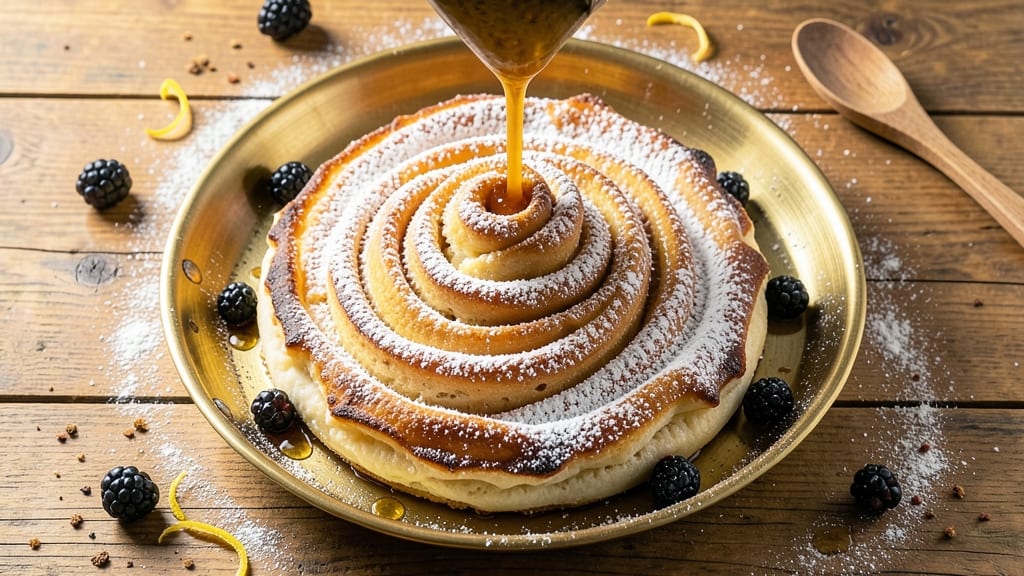
This Amish funnel cake recipe delivers the signature golden, crispy lace that makes it a beloved treat at county fairs and family gatherings. The secret lies in a simple batter of flour, eggs, and milk that transforms into delicate, caramelized layers when cooked just right. I've perfected this version to maintain that traditional Amish texture while making it approachable for home cooks.
The traditional method uses deep-frying for that signature crispiness, but I'll show you how to achieve similar results with a lighter baking approach if you prefer. What sets this recipe apart is the balance of ingredients—too much flour makes it dense, while proper frying temperature creates those coveted crispy edges. The batter should be smooth but not runny, and cooking in small batches ensures even browning every time.
Once golden brown and crisp, these funnel cakes become a canvas for toppings—powdered sugar, cinnamon, or fresh fruit compote all pair beautifully. The key is serving them immediately while still warm, when the texture is at its best. This recipe serves 4-6, making it perfect for small gatherings or when you want to treat yourself to a taste of Amish country.
For those interested in cultural context, Amish funnel cakes originated as a practical way to use up simple pantry ingredients, becoming a staple at community events. The deep-frying method was adapted from European traditions, but the American version developed its own identity through generous portions and sweet toppings. Let's get started on making yours!
Ingredients for amish funnel cake
Simple pantry staples transform into crispy golden lace with this Amish tradition.
| Ingredient | Amount | Notes |
|---|---|---|
| All-Purpose Flour 🌾 | 2 cups | Sifted for smooth batter |
| Large Eggs 🥚 | 4 whole | Room temperature for even mixing |
| Whole Milk 🥛 | 1 ½ cups | Cold for proper batter consistency |
| Granulated Sugar 🍚 | ½ cup | Fine grain preferred |
| Salt 🧂 | ½ tsp | Kosher or sea salt |
| Vegetable Oil 🫒 | 3 cups | For deep-frying, 350°F |
| Powdered Sugar 🍚 | 1 cup | For dusting, plus extra |
| Ground Cinnamon 🌿 | 1 tsp | For dusting, optional |
| Vanilla Extract 🍯 | 1 tsp | Pure vanilla preferred |
| Unsalted Butter 🧈 | ½ cup | Melted for vanilla dip |
| Heavy Cream 🥛 | 1 cup | For vanilla dip, cold |
| Vanilla Bean Paste 🍯 | 1 tbsp | For enhanced vanilla flavor |
The flour is non-negotiable here—King Arthur or Gold Medal brands work best for that perfect lightness. Eggs should be at room temperature to blend smoothly into the batter. For the milk, whole milk gives the best texture, but 2% works in a pinch. The vegetable oil is your secret weapon—Crisco or any neutral oil works, but keep it at 350°F for that signature crisp. I always grab the powdered sugar in the 16 oz container at Walmart—it's cheaper and lasts forever.
No vanilla extract? Vanilla bean paste is my go-to, but imitation vanilla. For the vanilla dip, half-and-half can replace the heavy cream if you're watching fat. The cinnamon is optional but adds warmth—McCormick or Badia are reliable brands. If you're baking instead of frying, use apricot jam as a glaze for moisture. The key is patience: let the batter rest 10 minutes before frying for a smoother texture.
Funnel cakes are best served immediately, but you can reheat them in a 200°F oven for 5 minutes if needed. Store leftover batter in the fridge for up to 2 days, covered tightly. The vanilla dip keeps for 3 days in the fridge—just whisk before serving. For a crowd, double the batter and fry in batches. The oil stays hot for 30-40 minutes before needing a top-off.
Why You'll Love This Recipe
- No Fancy Tools Needed: I swear by this recipe because you don’t need a deep fryer or special gadgets—just a skillet and a little patience. The batter’s light as air, and even if you’re not a pro at pouring, the milk and flour combo forgives mistakes. My first attempt was lumpy, but the kids didn’t notice.
- Sweet Magic in Minutes: That crispy sugar crust? Pure gold. The moment the hot skillet hits the batter, the sugar caramelizes into this golden, crackly shell while the inside stays soft—like a hug in cake form. Honestly, I’ve tried store-bought, and this beats it every time.
- Crowd-Pleaser for Any Gathering: Serve it warm at church potlucks, cool it for a picnic, or even pack slices for lunch—it’s that versatile. Between us, I’ve reheated leftovers in the toaster oven, and no one’s ever complained. (Yes, even on a Tuesday night.)
- Pantry Staples, Zero Waste: Five ingredients, zero specialty items. The milk and eggs make it rich without breaking the bank, and the flour and sugar are already in my cabinet. I’ll be real: I’ve made this with leftover batter for days, and it never feels like a chore. Budget-friendly? Check.
Step-by-step instructions for Amish funnel cake
Here's how to achieve that signature crispy, golden lace texture with a perfect vanilla dip.
Prepare the Light, Airy Batter
In a large bowl, whisk together the 2 cups all-purpose flour, 0.5 cup granulated sugar, and 0.5 teaspoon salt. I sift the flour first to eliminate lumps and ensure a smooth batter. Make a well in the center and add the 4 whole eggs at room temperature—this prevents the batter from curdling when mixed with cold milk.
Gradually pour in the 1.5 cups cold whole milk while whisking continuously. The batter should be thin enough to pour easily through a funnel cake maker or squeeze bottle, but not so watery that it won't hold its shape. Add the 1 teaspoon vanilla extract and 1 tablespoon vanilla bean paste—this gives that authentic Amish depth of flavor. Let the batter rest for 15 minutes at room temperature before frying. This resting period allows the flour to fully hydrate and the batter to reach the perfect consistency for crispy edges and tender centers.
Heat the Oil and Fry in Small Portions
Fill a deep fryer or heavy pot with 3 cups vegetable oil and heat to 350°F. Use a deep-fry thermometer to monitor the temperature—this is critical for achieving that signature crispy texture. The oil should shimmer gently but not smoke when properly heated. I divide the batter into 6 equal portions (about ¼ cup each) since funnel cakes cook quickly and burn easily if overcrowded.
Working in batches, pour the batter through a funnel cake maker or squeeze bottle directly into the hot oil. The batter will immediately spread into delicate lace patterns. Fry for 2-3 minutes per side until the funnel cakes are golden brown and puffed. They should float easily in the oil when done—this is your visual cue that they're perfectly cooked. Use a slotted spoon to transfer them to a paper towel-lined plate to drain excess oil. If the oil temperature drops below 340°F, the funnel cakes will absorb too much oil and become greasy rather than crispy.
Dust Immediately with Powdered Sugar
While the funnel cakes are still hot, dust each one generously with powdered sugar using a fine-mesh sieve. This step is essential for that classic Amish presentation and prevents the cakes from becoming soggy. I like to work quickly, dusting each funnel cake as soon as it comes out of the oil. For an extra touch, sprinkle a pinch of ground cinnamon on top—this adds warmth that complements the vanilla dip perfectly.
Let the funnel cakes cool for 2-3 minutes before serving. This brief resting period allows the sugar to settle and the structure to set slightly, making them easier to handle without falling apart. Keep them warm in a 200°F oven while you prepare the vanilla dip to maintain their crispness.
Make the Homestyle Vanilla Dip
In a small saucepan, combine the 1 cup heavy cream and 0.5 cup unsalted butter over low heat. Warm gently until the butter melts completely, then remove from heat. Stir in the 1 cup powdered sugar and 1 teaspoon vanilla extract until smooth. The mixture should be thick enough to coat the back of a spoon but still pourable. For extra richness, whisk in the 1 tablespoon vanilla bean paste—this adds those beautiful speckles and an intense vanilla flavor that elevates the dip from ordinary to extraordinary.
Serve the warm vanilla dip alongside the funnel cakes. The contrast of crispy, golden funnel cake with the cool, creamy vanilla dip is what makes this dish so irresistible. For presentation, I like to place a funnel cake on a plate, drizzle with the warm vanilla dip, and sprinkle with an additional dusting of powdered sugar. The combination of textures—crispy, tender, and creamy—is pure comfort food at its finest.
Pro Tips For Making Amish Funnel Cake
- Heat the Oil High: Amish funnel cake isn’t just fried—it’s sizzled. Get that oil smoking hot (375°F) before adding batter, or you’ll end up with greasy, soggy pockets instead of crispy, golden layers. I learned this the hard way when my first batch turned into a sad, oil-logged mess.
- Whisk Eggs Until Ribbon-Thin: The batter’s secret is in the eggs—whisk them until they hold a slow, thick ribbon when you lift the whisk. That’s how you get light, airy cake, not a dense brick. I used to rush this, and the texture suffered every time.
- Use Cold Milk: Reach for that half-gallon of milk straight from the fridge, not the warm one left on the counter. Cold milk keeps the batter stable longer, so it doesn’t turn gummy when you fry. Trust me, your future self will notice the difference.
- Drain on a Wire Rack: Skip the paper towels—they’ll steam the cake and ruin the crisp. Instead, drain fried funnel cake on a wire rack for 2–3 minutes. It stays crunchy longer, and you avoid that sad, limp texture. (Yes, even if it looks weird, it works.)
Dietary considerations for this dish
Gluten-Free Adaptation
For a gluten-free version, replace the 2 cups all-purpose flour with a 1:1 gluten-free flour blend like Bob's Red Mill or King Arthur Measure for Measure. Add 1 teaspoon xanthan gum to help bind the batter and achieve that signature crispy texture. The batter will be slightly thicker, so adjust the milk to 1.25 cups instead of 1.5 cups to maintain proper consistency. Remember, gluten-free batters often require 355°F oil temperature for proper browning. 🥄
Dairy-Free Options
Swap the whole milk for unsweetened almond milk or oat milk to make this recipe dairy-free. Use 1.5 cups of your chosen milk, but add 1 tablespoon cornstarch to help thicken the batter. For the vanilla dip, replace the heavy cream with full-fat coconut milk and use vegetable shortening instead of butter. The texture will be slightly different but still delicious. 🥥
Lower Sugar Version
Reduce the 0.5 cup granulated sugar to 0.25 cup and cut the powdered sugar topping to 0.5 cup. For the vanilla dip, use 0.5 cup powdered sugar instead of 1 cup and add 1 teaspoon maple syrup to enhance sweetness without refined sugar. This version keeps the traditional flavors while cutting about 60% of the sugar. 🍯
Vegan Adaptation
For a vegan funnel cake, use flax eggs (mix 4 tablespoons ground flaxseed with 10 tablespoons water) and replace the milk with unsweetened soy milk. The vanilla dip becomes vegan with coconut cream and vegan butter. The texture will be slightly denser, so fry at 345°F for 2-3 minutes per side until golden. 🌱
Allergy-Friendly Tips
If nut allergies are a concern, use sunflower seed milk instead of almond milk. For egg-free adaptations, consider aquafaba (chickpea brine) as a binder—mix 4 tablespoons aquafaba with 1 teaspoon baking powder to replace the eggs. Always test small batches first, as these substitutions can affect texture. Keep the oil temperature precise to compensate for any batter density changes. 💪
Nutrition facts
Frequently asked questions
What makes Amish funnel cake different from regular funnel cake?
The Amish version focuses on simplicity and texture—thin, crispy lace layers with a light, airy interior. Traditional Amish recipes use basic pantry ingredients (flour, eggs, milk) without leavening agents like baking powder, creating that signature delicate structure. The key is frying at 350°F for even browning and dusting immediately with powdered sugar while hot.
Can I make this without a funnel cake maker?
Use a squeeze bottle with a small hole or even a pastry bag with a star tip. For a rustic touch, try a ladle or spoon to drizzle batter in small circles into the oil. The batter should be thin enough to flow naturally—if it's too thick, add 1 tablespoon milk at a time until it reaches the right consistency.
Why did my funnel cakes turn out greasy instead of crispy?
Greasy results usually mean the oil wasn't hot enough (below 340°F) or the batter was too thin. Always use a deep-fry thermometer and maintain 350°F. For crispiness, let the batter rest 15 minutes before frying and cook in small batches. If the oil gets overloaded, it cools too quickly.
What's the best way to serve leftover funnel cakes?
Reheat in a 200°F oven for 5-7 minutes to restore crispness. For a make-ahead option, freeze cooked funnel cakes (without sugar) for up to 1 month. Reheat from frozen at 350°F for 8-10 minutes. Store batter in the fridge for 2 days—stir well before using. The vanilla dip keeps 3 days refrigerated.
Can I bake funnel cakes instead of frying?
Yes! Spread batter thinly on a parchment-lined baking sheet and bake at 425°F for 8-10 minutes until edges are golden. For a crispier texture, broil for 1-2 minutes at the end. The baked version won't be as delicate as fried, but it's a lighter alternative. Top with powdered sugar and cinnamon while warm.