
Desserts
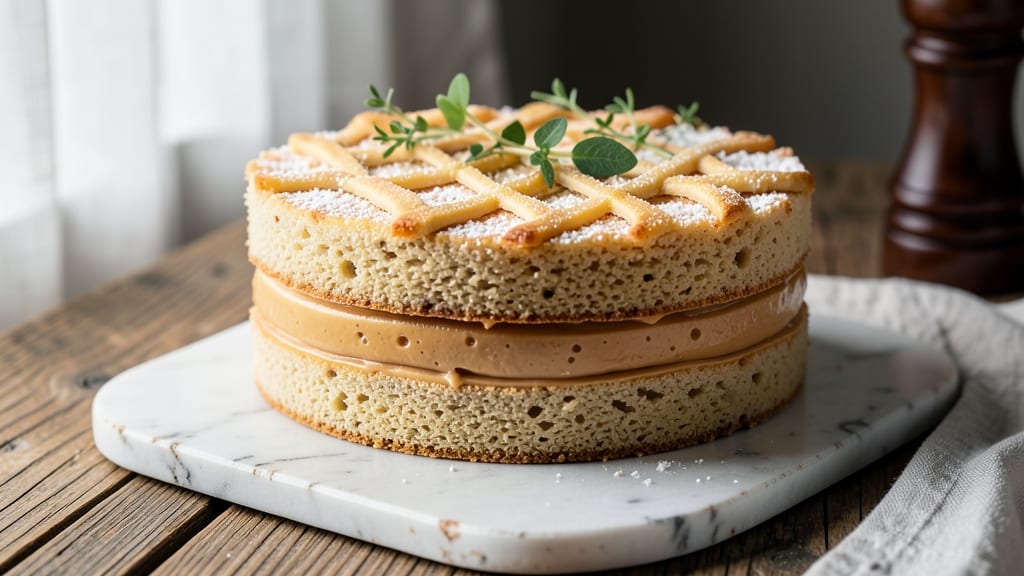
This almond pulp cake delivers moist, flaky layers with a nutty depth that transforms ordinary desserts into something extraordinary. The secret lies in almond pulp—a byproduct of almond milk production—that adds natural moisture and a delicate crumb without needing extra fat. I developed this recipe after years of experimenting with alternative flours, and the results are a cake that stays tender for days while maintaining perfect structure.
What sets this cake apart is its balance: almond pulp replaces some of the flour while keeping the texture light and airy, while a touch of honey and vanilla enhances the nutty flavor without overpowering it. The baking process is straightforward, with a single-layer approach that ensures even cooking and a golden crust. For those avoiding dairy, simple substitutions like flax eggs or coconut oil maintain the cake's signature moisture.
The final result is a cake with a flaky exterior and a moist, almost velvety interior that crumbles just enough to release pockets of almond flavor. Each slice offers a harmonious blend of sweetness and nuttiness, making it perfect for special occasions or a comforting treat. The recipe scales easily, so you can adjust the size for gatherings or enjoy a single serving guilt-free.
Store leftovers in an airtight container for up to 5 days, or freeze for longer shelf life—though I promise, it won’t last that long. This cake is versatile enough for breakfast pastries, afternoon tea, or dessert, proving that almond pulp can elevate even the simplest recipes into something truly memorable.
Ingredients for almond pulp cake
Eight ingredients crafting layers of nutty moisture and delicate flakiness—no extra fat needed.
| Ingredient | Amount | Notes |
|---|---|---|
| Almond Pulp 🌰 | 1 ½ cups | From almond milk production, unsweetened |
| All-Purpose Flour 🌾 | 1 ¼ cups | Lightly sifted for even texture |
| Granulated Sugar 🍚 | 1 cup | White or light brown preferred |
| Honey 🍯 | ½ cup | Wildflower for floral notes |
| Unsalted Butter 🧈 | ¾ cup | Room temperature, full-fat |
| Pure Vanilla Extract 🌸 | 1 tbsp | High-quality, Madagascar bourbon |
| Baking Powder 🧂 | 1 ½ tsp | Freshly opened for lift |
| Salt 🧂 | ½ tsp | Fine sea salt preferred |
| Large Eggs 🥚 | 2 whole | Room temperature for even mixing |
| Unsweetened Almond Milk 🥛 | ½ cup | For moisture balance |
| Lemon Zest 🍋 | 1 tbsp | Fresh, bright flavor |
Almond pulp is the star here. Trader Joe's and Whole Foods carry it in the health food section, often labeled as 'almond milk byproduct' or 'almond fiber.' If you can't find it, blend soaked almonds and strain—just skip the milk part. The almond pulp replaces some flour while keeping that signature moisture. For the butter, Plugrá or Land O'Lakes are my go-tos, but any full-fat works. The vanilla extract? Madagascar bourbon is worth the splurge—it adds depth that imitation can't match. And don't skip the lemon zest; it brightens the nutty flavors without overpowering them.
No almond pulp? Substitute with extra almond flour (1 cup), but expect a denser texture. Swapping honey for maple syrup works (same amount), but the flavor will be slightly earthier. Out of vanilla? Almond extract at half the amount gives a similar nuttiness. For a dairy-free version, replace the butter with coconut oil or vegan butter—just don't overbake, as coconut oil can dry things out faster. The baking powder is non-negotiable here—Diamond Crystal is my go-to, but check the label for double-acting if you're unsure. And if your eggs are cold, let them sit out for 30 minutes before mixing.
This cake reheats beautifully—just 5 seconds in the microwave with a damp paper towel to restore moisture. Keeps at room temperature for 3 days in an airtight container, or 5 days in the fridge. For longer storage, slice and freeze portions wrapped in plastic—thaws in 10 minutes at room temp. I always bake an extra slice or two; it disappears faster than you'd think. The crust stays crisp for the first day, so enjoy it fresh if you can. Leftovers? Perfect for breakfast pastries or afternoon tea—just dust with powdered sugar.
Why You'll Love This Recipe
- No-Mess Mixing: I swear by this recipe because the almond pulp blends right into the batter—no clumps, no fuss. Just fold it in with the butter and honey, and the texture comes out light as a cloud.
- Honey-Butter Magic: That combo of honey and butter? It’s like a warm hug for your taste buds. The almond pulp adds a subtle nuttiness, but the sweetness balances it perfectly—no artificial flavors here.
- Weeknight & Celebrations: Make a single batch for a quick breakfast or double it for a brunch spread. The cake keeps well for days, so it’s my go-to for lazy mornings or when I need something special without extra effort.
- Budget-Friendly Luxury: Almond pulp is cheaper than sliced almonds, and the butter and honey stretch the flavor. You get that fancy bakery vibe without the grocery-shock sticker price—plus, leftovers taste just as good the next day.
Step-by-step instructions for almond pulp cake
Here's how to create a tender, nutty cake with perfect flaky layers using almond pulp.
Cream Butter and Sweeteners Together
In a stand mixer fitted with the paddle attachment, combine the 0.75 cup unsalted butter and 1 cup granulated sugar on medium speed for 3-4 minutes. You're looking to create a light, airy mixture that nearly doubles in volume and becomes pale in color. This step is crucial for that signature flaky texture—it incorporates air that will create those delicate layers in your cake.
Here's the thing—don't rush this part. I've found that patience here prevents dense cake later. You'll know it's ready when the mixture looks like whipped buttercream and leaves faint trails when the paddle lifts out. Add the 0.5 cup honey and mix for another 30 seconds until fully combined. The honey adds natural moisture and subtle floral notes that complement the almond flavor beautifully.
Add Eggs and Wet Ingredients
Add the 2 whole large eggs one at a time, mixing on low speed for 30 seconds after each addition. This gradual approach prevents the eggs from scrambling in the hot butter mixture. Once incorporated, add the 1 tbsp pure vanilla extract and 1 tbsp lemon zest, mixing just until combined. The lemon zest adds a bright citrus note that cuts through the richness of the almond and butter.
In a separate bowl, whisk together the 1.5 cups almond pulp, 0.5 cup unsweetened almond milk, and set aside. I like to use a fine-mesh sieve for the almond pulp to remove any large particles that could affect the cake's texture. The almond milk here balances the richness while adding that signature nutty flavor we're after.
Combine Dry Ingredients and Fold Gently
In another bowl, sift together the 1.25 cups all-purpose flour, 1.5 tsp baking powder, and 0.5 tsp salt. This sifting ensures an even distribution of leavening agents throughout the batter. Gently fold this dry mixture into the wet ingredients using a spatula, mixing just until combined. You'll see some flour streaks remain—that's perfect. Overmixing develops gluten, which can make our cake tough instead of tender.
Now for the almond pulp mixture: with the mixer on low speed, gradually add the almond pulp and almond milk mixture to the batter. Mix just until the batter comes together—this should take about 30 seconds. The batter will be thick but still pourable. Real talk: it might look like too much liquid, but trust me, the almond pulp absorbs beautifully during baking, creating that signature moist texture.
Bake to Golden Perfection
Preheat your oven to 350°F and grease two 8-inch round cake pans or line them with parchment paper. Divide the batter evenly between the pans and smooth the tops with a spatula. Bake for 25-30 minutes or until a toothpick inserted in the center comes out clean. The cake should be golden brown on top with slightly pulled edges—that's your signal it's done.
I know it seems counterintuitive, but don't open the oven during baking. The temperature fluctuations can cause the cake to sink in the middle. When the cake tests done, remove it from the oven immediately and let it cool in the pans for 10 minutes. Then transfer to a wire rack to cool completely. This gradual cooling prevents cracking and helps set the flaky layers properly.
Pro Tips For Making Almond Pulp Cake
- Sift the Almond Pulp: I learned this the hard way—skipping sifted almond pulp leaves a dense, gummy texture. Use a fine-mesh sieve to break up any clumps before mixing, especially if your pulp is fresh or slightly fibrous. This isn’t just about aeration; it’s about making sure every bite has that tender, melt-in-your-mouth quality.
- Cream the Butter Cold: Sounds weird, but it works: pull the unsalted butter straight from the fridge and cut it into chunks before creaming. Warm butter mixes differently with honey and sugar, leading to a cake that’s either greasy or overly compact. Cold butter incorporates smoothly and creates the right crumb structure—trust the process.
- Don’t Overmix the Batter: After burning three batches of this cake, I finally figured out the real enemy isn’t the oven—it’s overworking the batter. Mix the wet and dry ingredients just until combined, maybe 10-12 strokes max. Almond pulp is delicate; overmixing turns it into a gluey mess. Fold in any remaining flour by hand if needed.
- Test for Doneness at 160°F: Your cake might look golden but still be underdone if you rely on color alone. Insert a thin skewer into the center—it should come out clean but with a few moist crumbs clinging. Pull it out too early, and the honey will keep cooking, making the texture sticky and gummy. Pull it out too late, and you’ll have a dry, crumbly mess. Aim for 160°F and let it rest.
Make-ahead tips for almond pulp cake
Batter Prep Ahead
Mix the batter up to 24 hours in advance and store it in an airtight container in the fridge. The flavors meld beautifully overnight, and the almond pulp absorbs moisture more evenly. When ready to bake, let the batter sit at room temperature for 30 minutes before dividing into pans—this prevents uneven baking from cold batter. 🌰
Partial Baking Method
For large gatherings, bake the cake layers 15 minutes less than directed, then cool completely. Wrap each layer tightly in plastic wrap and store in the freezer. When ready to serve, bake the frozen layers at 325°F for 15-20 minutes—they’ll finish perfectly without drying out. This method saves time and keeps the cake fresh.
Layer Assembly Tips
If assembling a layered cake, use 2 tbsp apricot jam or almond butter between layers for moisture and flavor. Spread evenly on the first layer, then add the second. Dust the top with powdered sugar or drizzle with melted chocolate for an elegant finish. The jam adds a subtle tang that cuts through the richness. ✨
Freezing Fully Baked Cake
Slice the fully baked cake into portions and wrap each slice individually in plastic wrap, then place them in a freezer bag. This prevents freezer burn and keeps the texture moist. Thaw at room temperature for 10 minutes—no microwave needed. The cake reheats beautifully this way, making it perfect for quick desserts.
Make-Ahead Garnishes
Prepare garnishes ahead of time for a polished look. Toast slivered almonds in a dry pan for 3-4 minutes until golden, then store in an airtight container. Fresh berries or citrus zest can also be prepped and stored separately. Assemble garnishes just before serving to keep them vibrant and fresh.
Storage Timeline
At room temperature: 3 days in an airtight container (the crust stays crisp for the first day). Refrigerated: 5 days (cover tightly to retain moisture). Frozen: Up to 3 months (slice and wrap individually for best results). The cake actually tastes better the next day as the flavors deepen! 💫
Nutrition facts
Frequently asked questions
What makes almond pulp different from almond flour in baking?
Almond pulp is the fibrous byproduct from almond milk production, while almond flour is finely ground almonds. The pulp adds natural moisture and a delicate crumb without needing extra fat, whereas almond flour creates a denser texture. Think of it as a lighter alternative that keeps cakes tender for days.
Can I substitute almond pulp if I can't find it?
Yes! For 1.5 cups almond pulp, blend 1 cup soaked almonds and strain through a fine-mesh sieve to remove liquid. The leftover fiber is your DIY pulp. If unavailable, use 1 cup extra almond flour, but expect a slightly denser cake.
Why does my almond pulp cake turn out dry?
Overbaking or too much flour are common culprits. Always check with a toothpick at 25 minutes, and avoid opening the oven door. For extra moisture, add 1 tbsp almond milk to the batter or brush the cake with simple syrup after baking.
How can I make this cake vegan?
Replace the 2 eggs with 2 flax eggs (2 tbsp ground flax + 6 tbsp water, rested 5 minutes) and swap butter for coconut oil. Use vegan vanilla extract and ensure your baking powder is plant-based. The texture stays moist but may be slightly denser.
Can I use this recipe for a single-layer cake?
Simply use a 9-inch round pan and reduce baking time to 20-25 minutes. The same batter works perfectly—just adjust the oven rack to the middle position for even cooking. Perfect for smaller gatherings or personal servings!