
Desserts
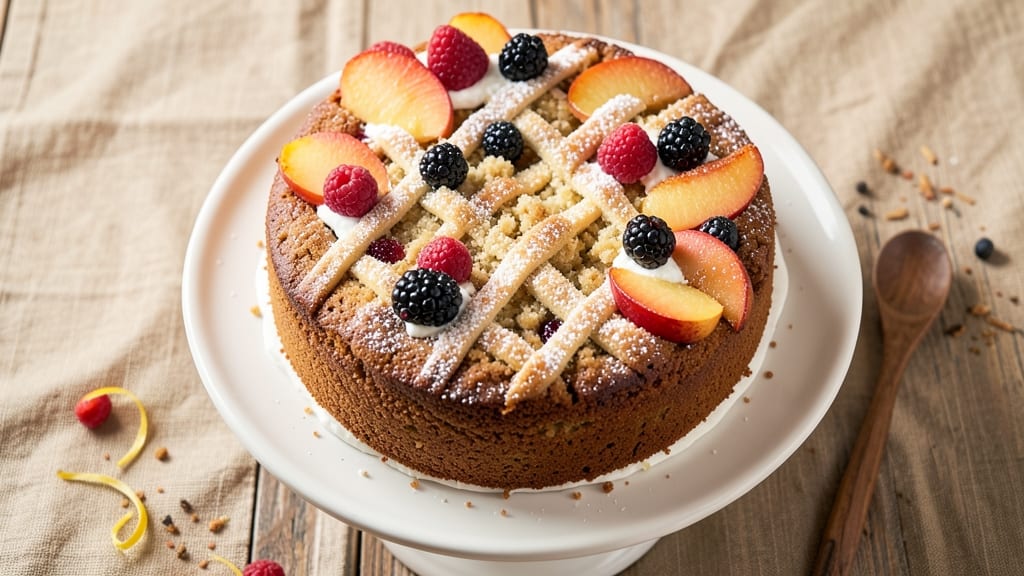
This almond flour fruit cake recipe delivers the perfect balance of nutty richness and moist texture without a single dry crumb. The secret lies in almond flour's natural fat content, which keeps every slice tender and flavorful—ideal for fruit lovers who want a lighter alternative to traditional cakes. I've perfected this recipe over years of baking, ensuring it stays moist for days while highlighting the natural sweetness of fresh fruit.
Almond flour transforms this cake into something extraordinary—its fine texture creates a delicate crumb while adding a subtle, buttery nuttiness that complements the fruit beautifully. Unlike regular flour cakes, this version stays moist without needing excessive butter or oil. The recipe includes a simple glaze option to enhance presentation, making it perfect for holidays or special occasions.
What sets this recipe apart is its foolproof moisture technique: combining almond flour with a touch of yogurt and applesauce ensures a tender crumb that won't dry out. Whether you use fresh berries, chopped citrus, or dried fruit, the flavor stays vibrant. The cake bakes to a golden finish with just the right amount of springiness, proving that almond flour can be just as reliable as traditional flour.
Ready in under an hour with minimal effort, this cake is perfect for beginners and experienced bakers alike. The instructions are straightforward, and the results are consistently impressive. Serve it warm with a dusting of powdered sugar or let it cool for a more elegant presentation. Here's how to make it perfectly every time.
Ingredients for almond flour fruit cake
Almond flour transforms this cake into something extraordinary with nutty richness and perfect moisture.
| Ingredient | Amount | Notes |
|---|---|---|
| Almond Flour 🌰 | 2 cups | Finely ground, unsweetened preferred |
| Granulated Sugar 🍚 | 1 ½ cups | Light brown sugar for moisture |
| Large Eggs 🥚 | 4 whole | Room temperature for best mixing |
| Plain Yogurt 🥛 | 1 cup | Full-fat for creaminess |
| Unsweetened Applesauce 🍎 | ½ cup | Unsweetened for balance |
| Vanilla Extract 🌿 | 2 tsp | Pure extract preferred |
| Baking Powder 🧂 | 1 tsp | Aluminum-free for best results |
| Salt 🧂 | ½ tsp | Fine sea salt preferred |
| Fresh Mixed Berries 🍓 | 2 cups | Blueberries, raspberries, or strawberries |
| Lemon Zest 🍋 | 1 tbsp | From 1 medium lemon |
| Powdered Sugar 🍚 | 1 cup | For glaze, sifted |
| Lemon Juice 🍋 | 2 tbsp | Freshly squeezed |
| Melted Butter 🧈 | ¼ cup | Unsalted, cooled slightly |
| Almond Slices 🌰 | ½ cup | For topping, optional |
Almond flour is the star here—Bob’s Red Mill or Anthony’s Goods are my go-tos for the finest grind. The difference between fine and coarse matters: fine gives that tender crumb, while coarse can get gritty. If you can't find almond flour, blend whole almonds in a food processor until ultra-fine, but sift it well to avoid lumps. The yogurt and applesauce combo is what keeps this cake moist for days—Greek yogurt works best, but any plain yogurt in a pinch. For the berries, fresh is ideal, but frozen works too if you thaw and drain them first.
No almond flour? Substitute with 1:1 ratio of all-purpose flour plus 1 tbsp cornstarch, but expect a denser texture. Running short on eggs? Flax eggs (1 tbsp ground flax + 3 tbsp water per egg) work surprisingly well. The glaze can be made ahead and stored in the fridge—just whisk with a splash of milk when ready. For a citrus twist, swap berries for diced peaches or mango, but reduce the liquid slightly to avoid a soggy cake. The vanilla extract is non-negotiable—imitation vanilla has a metallic aftertaste that ruins everything.
This cake stays moist for 5 days at room temperature, wrapped tightly in plastic. For longer storage, freeze slices wrapped individually—they thaw in minutes. The glaze sets quickly, so assemble the cake right before serving. I always make a double batch: one for the fridge and one for the freezer. The almond slices on top add crunch, but skip them if you're in a hurry—the cake is delicious either way.
Why You'll Love This Recipe
- No Mixer Needed: I swear by this recipe when I forget to pull out the stand mixer—just whisk the eggs with yogurt and applesauce until smooth. The almond flour blends in like butter, and the cake comes together with one bowl and a spatula.
- Moist Without the Fuss: That yogurt and applesauce combo keeps it tender for days, but here’s the secret: the almond flour soaks up just enough to stay dense without drying out. No one would guess it’s not a traditional fruitcake—it’s ridiculously good.
- Holiday or Snack: Between us, I’ve served this at Thanksgiving, packed it for lunch, and even sent slices to my mom’s birthday party. The sugar and fruit balance perfectly whether it’s a centerpiece or a quick treat—no one judges the plastic wrap.
- Budget-Friendly Luxury: Almond flour is pricey, but this recipe uses just a cup—enough to make a full cake that feeds six with leftovers. Honestly, the yogurt and applesauce stretch the cost further than any boxed mix ever could.
Step-by-step instructions for almond flour fruit cake
Here's how to bake a wonderfully moist almond flour cake with juicy berries—no dry crumbs in sight!
Combine Wet Ingredients for Perfect Texture
In a large mixing bowl, whisk together the 4 whole large eggs until they're pale and slightly frothy. This step is crucial—it incorporates air that helps create that light, tender crumb. Gradually add the 1.5 cups granulated sugar while whisking continuously for about 2 minutes until the mixture is thick, ribbony, and about doubled in volume.
Now stir in the 1 cup plain yogurt, 0.5 cup unsweetened applesauce, and 2 teaspoons vanilla extract until completely smooth. The applesauce adds moisture without altering the flavor, while the yogurt contributes that signature tang. Set this mixture aside—it's the foundation for your cake's moistness.
Fold in Dry Ingredients Gently
In a separate bowl, sift together the 2 cups almond flour, 1 teaspoon baking powder, and 0.5 teaspoon salt. This ensures even distribution and prevents any lumps that could create dry spots in your cake. Gently fold the dry ingredients into the wet mixture using a spatula, mixing just until combined—overmixing develops gluten and makes the cake dense.
Here's the thing—almond flour is naturally dense, so we want to preserve as much air as possible from our initial egg mixture. Fold in the 1 tablespoon lemon zest and 2 cups fresh mixed berries (save a few for decoration). The lemon zest brightens the flavor while balancing the natural sweetness of the berries.
Prepare the Pan and Bake
Preheat your oven to 350°F and grease an 8-inch round cake pan with the 0.25 cup melted butter, then dust lightly with almond flour. Pour the batter into the prepared pan and smooth the top. Bake for 35-40 minutes until a toothpick inserted in the center comes out clean. The cake should be golden on top with slightly domed edges—this is your signal it's perfectly baked.
I know it seems like a long time, but don't rush it. Almond flour cakes need that extra time to fully set and develop their moist texture. If you're worried about overbaking, start checking at the 30-minute mark—the edges should be pulling away from the pan slightly.
Create the Lemon Glaze
While the cake cools, make the glaze by whisking together the 1 cup powdered sugar, 2 tablespoons lemon juice, and any reserved berries. This glaze adds that perfect balance of sweet and tart that makes this cake truly special. The glaze should be thick but pourable—if it's too thick, add a teaspoon of water to loosen it.
Once your cake has cooled completely (about 30 minutes), pour the glaze evenly over the top. Let it set for 10 minutes before serving. This resting time allows the glaze to firm up just enough to hold its shape when sliced.
Add Toppings and Serve
Before the glaze sets completely, sprinkle the 0.5 cup almond slices evenly over the top for that beautiful crunch contrast. The almonds add texture and complement the nutty flavor of the almond flour. Let the cake sit for another 5 minutes to ensure everything adheres perfectly.
Slice and serve immediately—this cake is best enjoyed fresh from the oven when it's warm and the glaze is still slightly sticky. Each bite delivers that perfect balance of moist, tender crumb with bursts of juicy berries and bright lemon flavor. Trust me, your taste buds will thank you!
Pro Tips For Making Almond Flour Fruit Cake
- Weigh Your Almond Flour: Almond flour compacts like crazy when scooped—use a kitchen scale for accuracy. I learned this the hard way when my cake turned dense and dry; the recipe counts on that 1:1 ratio, but volume measurements lie.
- Whip Eggs Room-Temp: Cold eggs from the fridge won’t blend smoothly into the batter, and you’ll end up with lumps. Pop them in warm water for 5 minutes first—trust me, your mixer will thank you.
- Don’t Overmix the Batter: Almond flour releases gluten when overworked, and your cake will turn tough instead of tender. Mix just until combined—about 30 seconds after the dry ingredients disappear.
- Bake in Two Stages: Start at 350°F (175°C) for 20 minutes, then drop to 300°F (150°C) for the rest. This prevents a dark crust while keeping the center moist—my first batch came out burnt on top but raw inside.
Troubleshooting this dish
Dry Cake Fix
If your almond flour cake turns out dry, the issue is usually under-moisture. First, try adding 1-2 tablespoons of warm water or milk to the batter before baking—this helps bind the almond flour's natural dryness. For future bakes, ensure your almond flour is freshly ground (pre-ground flour can lose moisture over time). I always store mine in the fridge to maintain freshness. 💧
Cake Sticks to Pan
Almond flour cakes often stick due to their dense nature. Always use butter or oil to grease your pan thoroughly, then dust with extra almond flour (not regular flour). For stubborn cakes, run a thin knife around the edges before removing from the pan. I also recommend using a lightweight silicone baking mat—it prevents sticking without needing extra greasing. 🧈
Uneven Baking
Uneven baking usually means your oven isn't properly calibrated. Place an oven thermometer inside while preheating—many ovens run 25-50°F hotter than set. If the center bakes slower, try rotating the pan halfway through baking. For almond flour cakes, I find 350°F is ideal—any hotter and the edges burn before the center sets. 🌡️
Soggy Bottom
A soggy bottom happens when the cake steams too much in the pan. Always preheat your oven for at least 15 minutes before baking. After removing the cake, let it cool in the pan for 5 minutes before transferring to a wire rack. This brief cooling prevents moisture from pooling at the bottom. For extra insurance, place the pan on a cooling rack while baking. 🍞
Cracked Top
Cracks form when the cake bakes too quickly or the oven temperature fluctuates. To prevent this, avoid opening the oven door during the first 25 minutes of baking. If cracks appear, they’re usually harmless—just brush them with a simple syrup (equal parts sugar and water) before glazing to add moisture. For a smoother finish, try baking at 325°F instead of 350°F. 💡
Glaze Too Thin
A runny glaze means your powdered sugar wasn’t sifted properly or you added too much lemon juice. Always sift the powdered sugar before mixing, and start with 1 tablespoon of lemon juice—you can always add more. For a thicker glaze, chill the mixture for 10 minutes before applying. I like to use a pastry brush for even distribution. ✨
Nutrition facts
Frequently asked questions
Can I substitute almond flour with regular flour in this recipe?
The texture will change significantly—almond flour creates a tender, moist crumb while regular flour makes a denser cake. If you must substitute, use a 1:1 ratio of all-purpose flour plus 1 tablespoon cornstarch and add 2 extra tablespoons of yogurt or milk to compensate for the dryness. The flavor will be less nutty, but the cake will still be delicious!
How do I store this cake to keep it moist for days?
Wrap the cooled cake tightly in plastic wrap and store at room temperature for up to 5 days. For longer storage, freeze slices individually in airtight containers—they thaw in minutes! The yogurt and applesauce in the recipe help preserve moisture, but refrigeration extends freshness even further.
What fruits work best besides berries?
Any fresh fruit works beautifully! Try diced peaches, mango, or pineapple for tropical flavors, or chopped apples or pears for a spiced twist. For dried fruit, soak raisins or cranberries in warm water for 10 minutes before adding to prevent dryness. The key is using 2 cups total of fruit (fresh or drained dried).
Why does my almond flour cake sometimes turn out dry?
Dryness usually happens when the almond flour is old (it absorbs moisture over time) or if you skip the yogurt/applesauce. Always use freshly ground almond flour and store it in the fridge. For extra moisture, add 1-2 tablespoons of warm water or milk to the batter before baking. The glaze also helps lock in moisture—don't skip it!
Can I make this cake ahead of time?
Bake the cake up to 2 days in advance and store it wrapped at room temperature. The glaze can be made separately and applied just before serving. For a special touch, brush the cooled cake with simple syrup (equal parts sugar and water) before glazing if it needs extra moisture. This cake actually tastes better the next day as flavors meld!